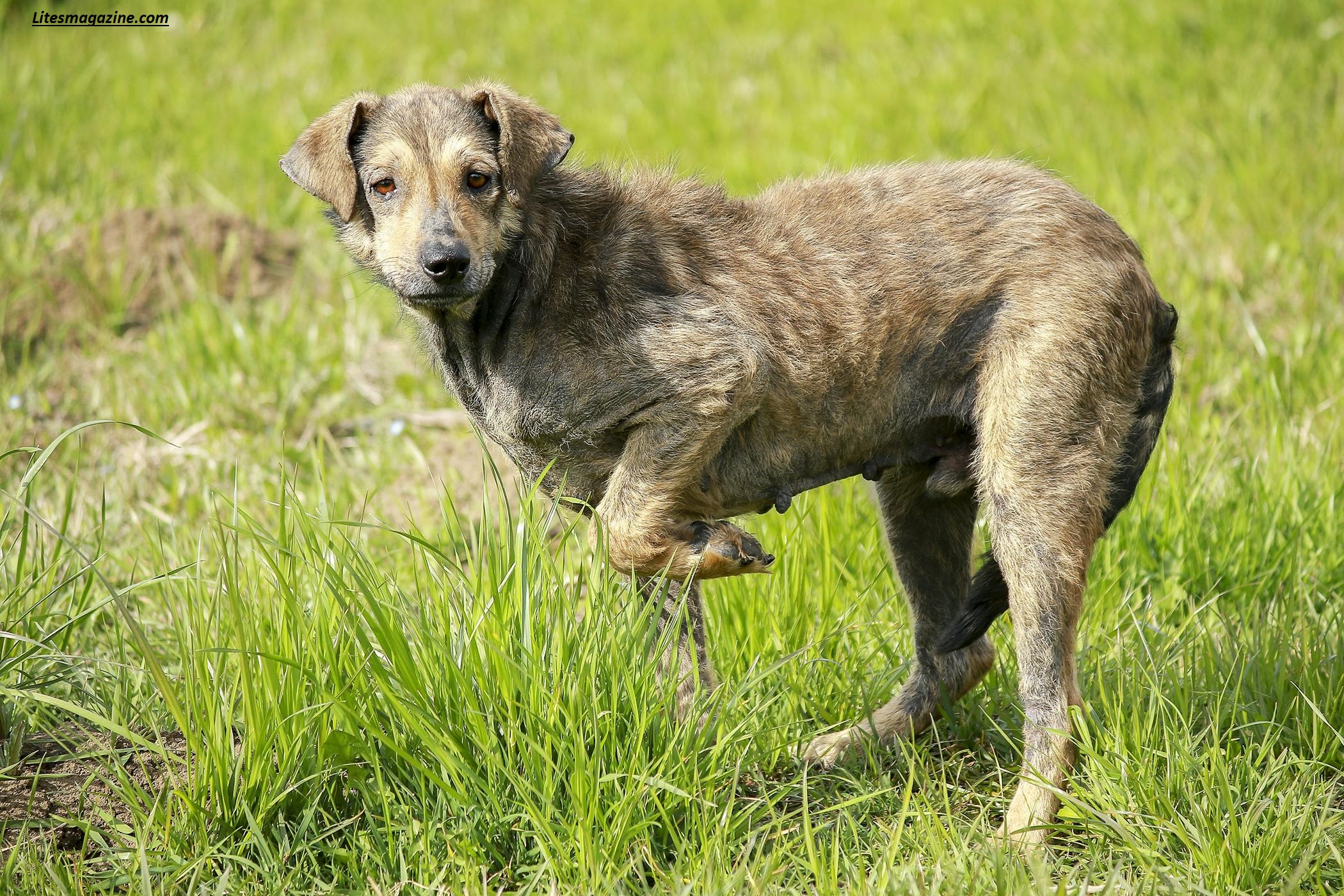
Why Is My Dog Limping? Dogs are active animals that love to run, jump, and explore. So when your dog suddenly starts limping, it can be worrying.
Limping, also known as dog lameness, usually means your pet is experiencing pain, discomfort, or an injury in the leg, paw, or joint.
A limping dog might avoid putting weight on one leg, walk slowly, or show signs of joint pain in dogs, paw swelling, or stiffness. Some dogs limp only occasionally, while others may limp constantly.
This guide explains why dogs limp, the most common causes, symptoms to watch for, and when you should see a veterinarian. You’ll also learn how vets diagnose limping and what you can do at home to help your dog recover safely.
Table of Contents
Quick Table
| Symptom | Possible Cause | What To Do |
|---|---|---|
| Limping suddenly | Paw injury or muscle strain | Check paw and let dog rest |
| Limping but acting normal | Minor sprain or strain | Monitor for 24 hours |
| Limping on back leg | Hip dysplasia or cruciate ligament tear | Vet visit recommended |
| Limping on front leg | Elbow dysplasia or paw injury | Examine paw and leg |
| Limping with swelling | Ligament injury or infection | Seek veterinary care |
| Severe pain or crying | Broken bone or fracture | Emergency vet visit |
| Limping after exercise | Muscle strain | Rest and limit activity |
Why Dogs Limp
Dogs limp for many reasons, ranging from minor paw injuries to serious joint problems. Limping, medically known as dog lameness, happens when your dog cannot walk normally due to pain, inflammation, or damage to bones, muscles, or ligaments.
One of the most common reasons for a limping dog is a paw injury. Dogs often step on sharp objects, thorns, or hot surfaces, which can cause paw swelling, cuts, or a torn nail. These injuries can make your dog avoid putting weight on the affected paw.
Joint conditions are another major cause. Problems like arthritis in dogs, osteoarthritis, hip dysplasia, and elbow dysplasia often cause stiffness and joint pain in dogs, especially in older pets. These conditions may develop slowly and worsen over time.
Ligament injuries are also common, especially in active dogs. A cruciate ligament tear or other ligament injury can cause sudden limping and difficulty walking. This often affects the back legs.
Other possible causes include muscle strain, broken bone, patellar luxation, nerve damage, and infections like tick-borne disease.
Because there are many potential causes, it’s important to watch for other limping dog symptoms, such as swelling, pain, or difficulty standing.

Why Is My Dog Limping Suddenly?
If your dog starts limping suddenly, it usually means something happened recently to cause pain or discomfort. Sudden limping is often linked to injuries, infections, or joint problems that develop quickly.
One of the most common causes is a paw injury. Your dog may have stepped on glass, a thorn, or another sharp object. This can lead to paw swelling, bleeding, or irritation. Even a small torn nail can cause significant pain and make your dog limp.
Another possible reason is a muscle strain. Dogs can strain their muscles while running, jumping, or playing too hard. A strained muscle may cause temporary dog lameness, but it usually improves with rest.
More serious causes include ligament injury, such as a cruciate ligament tear, which is common in active dogs. This injury often causes sudden limping in the back leg.
Joint disorders like hip dysplasia, elbow dysplasia, or patellar luxation can also cause sudden limping, especially after exercise.
In some cases, infections like tick-borne disease or nerve problems such as nerve damage may cause a dog to limp unexpectedly.
Because sudden limping can have many causes, it’s important to check your dog carefully and watch for other limping dog symptoms like swelling, pain, or weakness.
15 Common Causes of Dog Limping
Many health problems can cause a dog to limp. Some are minor and heal quickly, while others require veterinary treatment. The most common causes include paw injury, torn nail, muscle strain, ligament injury, and cruciate ligament tear.
Joint conditions such as arthritis in dogs, osteoarthritis, hip dysplasia, elbow dysplasia, and patellar luxation can also lead to chronic limping and joint pain in dogs.
Other causes include broken bone, sprains, infections, tick-borne disease, and nerve damage. Some dogs may also limp due to swelling, inflammation, or trauma to the leg or paw.
Identifying the exact cause helps determine the best treatment.
Paw Injuries
Paw injuries are one of the most common reasons for a limping dog. Dogs use their paws constantly, which makes them vulnerable to cuts, burns, and irritation.
Your dog may step on sharp objects like glass, rocks, or thorns. This can cause bleeding, paw swelling, and pain. A torn nail is another frequent injury that can make a dog limp suddenly.
You may also notice your dog licking or chewing the injured paw. These limping dog symptoms indicate discomfort or infection.
Cleaning the paw and removing debris can help minor injuries heal, but deeper wounds should be examined by a veterinarian.
Ligament Tears
Ligament tears are serious injuries that can cause sudden dog lameness. The most common type is a cruciate ligament tear, which affects the knee joint in dogs.
This type of ligament injury often occurs during sudden movements such as running, jumping, or turning quickly. When the ligament tears, the joint becomes unstable, causing pain and difficulty walking.
Dogs with this injury may hold their leg up or limp severely. Swelling around the knee is also common.
Without treatment, ligament damage can lead to long-term joint pain in dogs and osteoarthritis. Many dogs require surgery to repair the ligament.
Arthritis
Arthritis in dogs is a common cause of chronic limping, especially in older pets. Arthritis occurs when joints become inflamed, leading to pain and stiffness.
The most common form is osteoarthritis, which develops as cartilage wears down over time. This condition causes joint pain in dogs, reduced mobility, and difficulty standing or climbing stairs.
Dogs with arthritis may limp more after rest or cold weather. You may also notice slower movement or reluctance to exercise.
While arthritis cannot be cured, treatments such as weight management, medication, and physical therapy can greatly improve your dog’s comfort and mobility.
Hip Dysplasia
Hip dysplasia is a genetic condition that affects the hip joint. It occurs when the hip socket does not form properly, causing the joint to become loose and unstable.
This condition often leads to joint pain in dogs, stiffness, and difficulty walking. Dogs with hip dysplasia may limp or struggle to stand up after resting.
Large dog breeds such as German Shepherds, Labradors, and Golden Retrievers are more likely to develop this condition.
Over time, hip dysplasia can lead to osteoarthritis and chronic discomfort. Treatment options include medication, weight control, physical therapy, and sometimes surgery
Broken Bones
A broken bone or fracture is one of the most serious causes of dog limping. This type of injury often occurs after accidents such as falls, car impacts, or rough play.
Dogs with fractures may refuse to put weight on the affected leg. You may also notice swelling, severe pain, or abnormal leg positioning.
Broken bones require immediate veterinary care. X-rays are usually needed to confirm the diagnosis and determine the severity of the fracture.
Treatment may involve splints, casts, or surgery depending on the location and type of break. Prompt treatment helps prevent long-term damage.
Dog Limping But Acting Normal
Sometimes a dog may limp but still behave normally. This situation can confuse many pet owners because the dog seems happy, active, and playful despite the limp.
In many cases, mild limping occurs due to minor injuries such as muscle strain, small paw injury, or irritation from a torn nail. These problems may cause discomfort but not severe pain.
Dogs are also good at hiding pain. Even if your dog appears normal, there may still be underlying issues like ligament injury, patellar luxation, or early arthritis in dogs.
Another possibility is mild joint problems such as elbow dysplasia or early hip dysplasia. These conditions may cause occasional dog lameness that appears during exercise but improves after rest.
Infections like tick-borne disease can also cause intermittent limping that comes and goes.
If your dog is limping but still acting normal, monitor the situation closely. Check the paw for swelling, cuts, or debris. If the limp lasts more than 24–48 hours or worsens, it’s best to consult a veterinarian.
Early diagnosis helps prevent more serious problems such as osteoarthritis, chronic joint pain in dogs, or permanent damage.
Dog Limping on Front vs Back Leg
The location of your dog’s limp can provide clues about the cause of the problem.
If your dog is limping on a front leg, the issue may involve the shoulder, elbow, or paw. Common causes include paw injury, torn nail, muscle strain, and elbow dysplasia. Dogs may also experience swelling or discomfort in the paw, which leads to paw swelling and limping.
Front leg injuries are often easier to detect because dogs frequently lick or chew the affected paw.
If your dog is limping on a back leg, the cause may involve the hip, knee, or ligaments. Conditions such as hip dysplasia, patellar luxation, and cruciate ligament tear commonly affect the back legs.
These problems can cause significant joint pain in dogs and difficulty walking or jumping.
Sometimes limping may occur due to neurological problems like nerve damage, which affects coordination and movement.
Watching how your dog walks can help identify the problem. If the limp persists or worsens, a veterinary exam is necessary to determine the exact cause of the dog lameness.

When Dog Limping Is an Emergency
While some causes of dog limping are minor, others require immediate medical attention.
You should seek emergency veterinary care if your dog shows severe limping dog symptoms such as intense pain, swelling, bleeding, or inability to walk.
A broken bone, severe ligament injury, or cruciate ligament tear can cause sudden and extreme limping. These injuries often occur after accidents or falls and require urgent treatment.
Another emergency sign is severe paw swelling, open wounds, or deep cuts in the paw. These injuries can become infected quickly if not treated properly.
Sudden paralysis or inability to move the leg may indicate nerve damage or spinal problems.
Infections like tick-borne disease can also cause fever, lethargy, and limping in multiple legs.
If your dog refuses to eat, cries in pain, or cannot stand, seek veterinary care immediately.
Prompt treatment prevents complications such as osteoarthritis, chronic joint pain in dogs, or permanent mobility issues.How Vets Diagnose Limping (200 words)
Veterinarians use several methods to diagnose the cause of dog lameness. The process usually begins with a physical examination.
During the exam, the vet checks the dog’s paws, legs, joints, and muscles. They look for signs such as paw swelling, cuts, torn nails, or tenderness in the joints.
The vet will also observe how the dog walks. This helps identify which leg is affected and whether the limp is related to a muscle strain, ligament injury, or joint problem.
If the cause is not obvious, diagnostic tests may be needed. X-rays are commonly used to detect broken bones, fractures, or conditions like hip dysplasia and elbow dysplasia.
In some cases, advanced imaging such as MRI or CT scans may be recommended to identify cruciate ligament tear, patellar luxation, or nerve damage.
Blood tests may also be performed if infections like tick-borne disease are suspected.
Accurate diagnosis is important because treatment depends on the underlying cause of the limping.
How to Treat Dog Limping at Home
If your dog has mild limping and no serious symptoms, there are a few steps you can take at home to help.
First, allow your dog to rest. Avoid running, jumping, or strenuous activity for several days. Rest helps injuries such as muscle strain or minor ligament injury heal faster.
Next, examine your dog’s paw carefully. Look for cuts, debris, or a torn nail. If you find a small object stuck in the paw, remove it gently and clean the area.
Applying a cold compress can help reduce paw swelling and inflammation.
You should also monitor your dog’s behavior. If the limp worsens or does not improve within 48 hours, veterinary care is recommended.
Never give human pain medication to dogs, as it can be dangerous.
Home care can help minor injuries, but conditions such as hip dysplasia, arthritis in dogs, cruciate ligament tear, or broken bone require professional treatment.
How to Prevent Limping in Dogs
Preventing dog limping begins with proper care and regular health checks.
Maintaining a healthy weight is one of the most important steps. Excess weight places extra pressure on joints and increases the risk of arthritis in dogs, osteoarthritis, and joint pain in dogs.
Regular exercise helps keep muscles strong and reduces the risk of muscle strain or ligament injury. However, avoid excessive jumping or intense activity that could cause injuries like cruciate ligament tear.
Routine grooming is also important. Checking your dog’s paws can help detect cuts, torn nails, or signs of paw injury early.
Providing joint supplements and a balanced diet may support joint health and reduce the risk of hip dysplasia or elbow dysplasia in some dogs.
Tick prevention is also essential to protect your dog from tick-borne disease, which can cause limping and illness.
Regular veterinary checkups help detect problems early before they become serious.
With proper care, you can reduce the risk of dog lameness and keep your dog active and healthy.

FAQs
Why is my dog limping but not crying?
Your dog may have a mild injury like muscle strain, paw injury, or early arthritis in dogs.
Can a dog limp heal on its own?
Minor injuries may heal with rest, but serious conditions like cruciate ligament tear require veterinary treatment.
Should I walk my dog if he is limping?
It’s best to limit activity until the cause of the limping is identified.
How long should dog limping last?
If limping lasts longer than 24–48 hours, consult a veterinarian.
What diseases cause dogs to limp?
Conditions like hip dysplasia, elbow dysplasia, osteoarthritis, and tick-borne disease can cause limping.
Conclusion
Seeing your dog limp can be worrying, especially if it happens suddenly.
Limping, also called dog lameness, can occur for many reasons ranging from minor paw injury to more serious conditions like cruciate ligament tear, broken bone, or chronic joint problems.
Common causes include muscle strain, ligament injury, torn nail, and paw swelling. Long-term conditions such as arthritis in dogs, osteoarthritis, hip dysplasia, and elbow dysplasia can also cause persistent limping and joint pain in dogs.
In some cases, infections such as tick-borne disease or neurological problems like nerve damage may be responsible for the symptoms.
While mild injuries may improve with rest and basic care at home, persistent limping should always be evaluated by a veterinarian. Early diagnosis helps prevent complications and ensures your dog receives the right treatment.
By paying attention to limping dog symptoms, providing proper care, and scheduling regular vet checkups, you can protect your dog’s health and mobility.
If your dog suddenly starts limping, don’t ignore the warning signs. Understanding the possible causes will help you take the right steps to keep your furry companion happy, active, and pain-free.