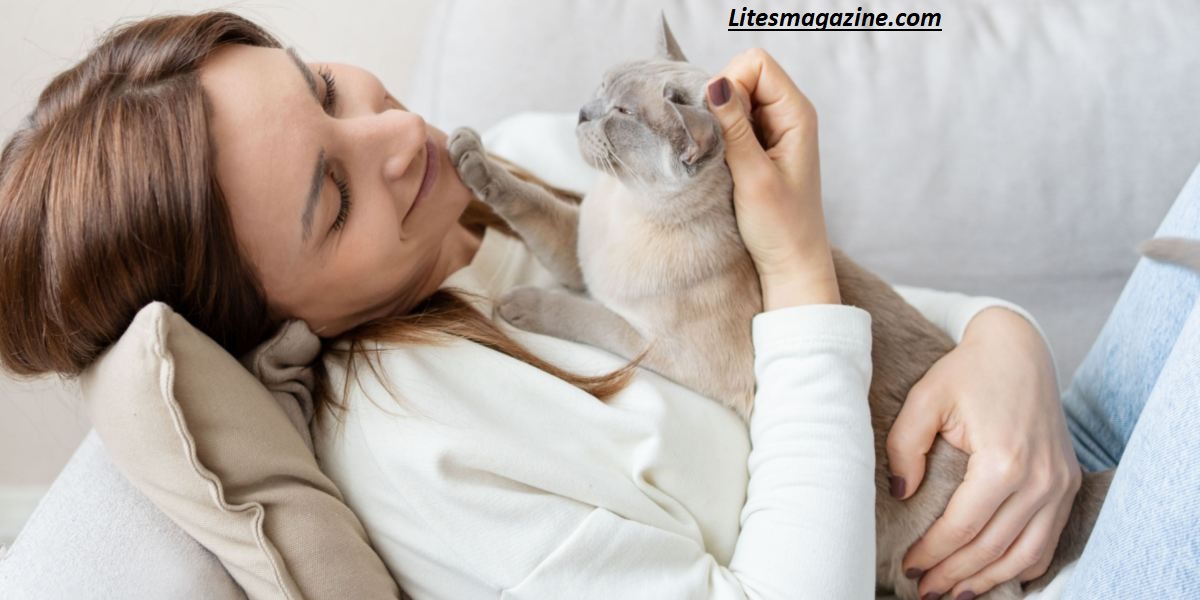
Why Does My Cat Lay on My Chest? Cats have many adorable habits, but one of the most common is when your cat lays on your chest while you’re relaxing or sleeping. For many pet owners, this behavior feels sweet and comforting.
However, you might wonder what it really means. Is your cat showing feline affection, looking for warmth, or expressing cat instincts?
The truth is that this behavior is deeply connected to cat behavior, bonding with your cat, and the human-animal bond between pets and their owners. When a cat chooses your chest as a resting place, it is often a sign of trust, comfort, and emotional connection.
Cats are naturally cautious animals. They usually sleep where they feel safe and secure. If your cat sleeps on your chest, it likely sees you as a trusted companion. Your body warmth, scent, and even your heartbeat can make your pet feel calm and relaxed.
In this guide, we’ll explain the real reasons cats love sleeping on your chest, what it means when your cat purrs while lying on you, and whether it’s safe to let your cat sleep there every night.
Table of Contents
Quick Table
| Cat Behavior | What It Means | Why Cats Do It |
|---|---|---|
| Sleeping on your chest | Shows trust and affection | Cat feels safe near you |
| Purring while lying on you | Contentment and comfort | Enjoying warmth and bonding |
| Kneading your chest | Kitten instinct | Reminds cat of nursing |
| Sleeping on chest at night | Protection and habit | Cat trusts you while sleeping |
| Staying close to your body | Emotional connection | Strengthens the human-animal bond |
Why Does My Cat Lay on My Chest?
If you’re wondering “why does my cat lay on my chest?”, the answer usually involves comfort, affection, and instinct. Cats are very selective about where they sleep. When your cat chooses your chest, it means you are a place of security and warmth.
Your chest provides several things cats love. First, it is warm and soft, which helps with cat comfort behavior. Second, your heartbeat creates a rhythmic sound that reminds many cats of being kittens with their mother.
This sound can make them feel calm and protected.
Another reason is the scent connection. Cats rely heavily on scent to recognize their environment and mark their territory. When your cat lies on your chest, it is mixing its scent with yours.
This strengthens the pet owner relationship and helps your cat feel emotionally connected to you.
This behavior is also part of cat sleeping habits. Many cats prefer sleeping close to their owners because it builds a strong human-animal bond. By cuddling on your chest, your cat is expressing feline affection and trust.
So, if your cat loves lying on your chest, it usually means something positive. Your pet likely sees you as a safe companion and a source of comfort.

7 Reasons Cats Love Sleeping on Your Chest
Cats choose specific sleeping spots based on comfort, instinct, and emotional bonding. Your chest offers warmth, safety, and familiarity, which makes it one of the most attractive resting places for many cats.
Here are seven sweet reasons why your cat may love sleeping on your chest.
Trust and Bonding
One of the biggest reasons cats lie on their owner’s chest is trust. Cats are naturally cautious animals. In the wild, they must always stay alert to predators and danger. Because of this instinct, cats only sleep deeply in places where they feel safe.
When your cat lies on your chest, it is showing strong bonding with your cat and deep feline affection. Your pet trusts you enough to relax completely while resting on your body.
This behavior also strengthens the pet owner relationship. Cats often show love in quiet ways. Sleeping close to you is one of the clearest signs that your cat feels emotionally connected.
In terms of cat body language, lying on your chest means your cat views you as part of its family group. It may even see you as a protector.
So if your cat chooses your chest as a sleeping spot, consider it a compliment. Your pet is expressing loyalty and emotional attachment.
Warmth and Comfort
Cats naturally seek warm places to sleep. Your chest provides the perfect combination of heat and softness.
Body warmth helps cats relax their muscles and conserve energy. In the wild, cats often sleep in sunny areas or near warm surfaces. When they lie on your chest, they are simply enjoying the warmth and comfort your body provides.
This behavior is also part of cat comfort behavior. Your breathing movement creates a gentle rocking sensation that can make your cat feel calm and relaxed.
Many cats also enjoy the soft surface of a human chest. It feels similar to curling up in a cozy bed or blanket.
For your cat, sleeping on your chest combines comfort, warmth, and security in one perfect spot.
Your Heartbeat Reminds Them of Kittenhood
Another reason your cat lies on your chest is the sound of your heartbeat.
When kittens are very young, they sleep close to their mother and siblings. During this time, they hear the mother’s heartbeat constantly. This sound becomes associated with safety and care.
Your chest recreates a similar experience. When your cat rests on you, it can hear and feel your heartbeat. This familiar rhythm can trigger comforting memories from kittenhood.
This instinctive response is part of feline behavior. It helps explain why many cats seem extremely relaxed while sleeping on their owners.
For many cats, the heartbeat connection makes your chest one of the most soothing places to sleep
They Want Attention
Sometimes your cat lies on your chest simply because it wants attention.
Cats are social animals that enjoy interaction with their owners. If your pet sits or lies on your chest while you’re working or watching TV, it may be asking for affection.
This is common in cuddling behavior. Your cat may start purring, kneading, or rubbing its head against you. These actions are ways of asking for petting or playtime.
From a cat body language perspective, this behavior shows that your cat wants engagement. It may also feel jealous of objects like phones or laptops that take your attention away.
When your cat lies on your chest for attention, it is simply trying to strengthen your emotional bond.

They Feel Safe With You
Safety is extremely important in cat sleeping habits. Cats are vulnerable while sleeping, so they prefer places where they feel protected.
Your chest is close to your face and hands, which makes it a secure location. Your cat knows you are nearby and aware of your surroundings.
This feeling of protection is tied to cat instincts. In the wild, animals sleep near trusted companions for safety.
By sleeping on your chest, your cat is choosing the safest place it knows — right next to you.
Scent Marking
Cats use scent to mark territory and communicate. They have scent glands on their face, paws, and body.
When your cat lies on your chest, it is likely leaving its scent on you. This scent marking helps your cat claim you as part of its territory.
This behavior strengthens the human-animal bond. It also helps your cat feel more secure in its environment.
You may notice your cat rubbing its face against you before lying down. This is another form of scent marking that reinforces the connection between you and your pet.
Habit and Routine
Cats love routines. Once they find a comfortable sleeping spot, they often return to it every day.
If your cat regularly lies on your chest, it may simply be a habit. Your chest has become a familiar and comforting place.
This routine is part of cat sleeping habits and helps your cat maintain a predictable environment.
Over time, sleeping on your chest may become your cat’s favorite bedtime ritual.
Why Does My Cat Lay on My Chest and Purr?
Many pet owners notice that their cat purrs while lying on their chest. This combination is a strong sign of comfort and happiness.
Purring is one of the most common forms of feline communication. Cats often purr when they feel relaxed, safe, and content. When your cat lies on your chest and starts purring, it is likely enjoying the warmth, comfort, and emotional connection.
Your chest provides several calming factors. The warmth of your body helps your cat relax. The sound of your heartbeat creates a soothing rhythm. The familiar scent of its owner also strengthens the feeling of safety.
Purring also helps strengthen bonding with your cat. Some experts believe cats use purring as a way to communicate affection and reinforce social connections.
This behavior is part of normal feline behavior and shows that your pet trusts you deeply. It is also one of the clearest signs of a strong pet owner relationship.
If your cat purrs while lying on your chest, it usually means your pet feels happy, secure, and emotionally connected to you.
Why Does My Cat Sleep on My Chest at Night?
Many cats prefer sleeping on their owner’s chest at night rather than during the day. This behavior is related to cat instincts and natural sleep patterns.
Cats are crepuscular animals, meaning they are most active during dawn and dusk. However, they also enjoy sleeping close to their owners when the environment is quiet.
At night, your home becomes calm and still. This makes your chest an ideal resting place for your cat. Your warmth and breathing create a soothing environment that encourages sleep.
Another reason is security. When your cat sleeps on your chest at night, it knows you are nearby and aware of the surroundings. This makes your pet feel protected.
Your chest is also one of the warmest places on your body. Cats naturally seek warmth to conserve energy while sleeping.
This behavior reflects strong feline affection and trust. Your cat chooses to sleep close to you because it feels emotionally bonded and safe.
Is It Safe to Let Your Cat Sleep on Your Chest?
For most people, it is perfectly safe to let a cat sleep on your chest. Many pet owners enjoy this cuddling behavior because it strengthens the human-animal bond.
However, there are a few things to consider.
First, some cats move frequently during sleep. If your cat is large or restless, it may disturb your sleep. Light sleepers may prefer encouraging their cat to sleep beside them instead.
Second, hygiene is important. Cats walk on floors and litter boxes, so it’s a good idea to keep your bedding clean.
For people with allergies or asthma, sleeping very close to a cat may worsen symptoms.
Despite these concerns, most healthy adults can safely sleep with their cats. The key is maintaining good hygiene and ensuring both you and your pet are comfortable.
Overall, chest cuddling is usually harmless and can even improve your emotional well-being.
Benefits of Sleeping With Your Cat
Sleeping with your cat can have several surprising benefits for both the pet and the owner.
One major benefit is stress reduction. Petting a cat and hearing it purr can help calm the nervous system. This can lower stress levels and improve mood.
Sleeping close to your pet also strengthens the human-animal bond. Physical closeness increases feelings of trust and affection.
For cats, sleeping on their owner’s chest provides warmth, comfort, and emotional security. It reinforces the pet owner relationship and helps cats feel safe.
Another benefit is companionship. Many people feel less lonely when their pet sleeps nearby.
Additionally, the rhythmic sound of purring can be relaxing for humans. Some studies suggest that the frequency of cat purring may even promote relaxation.
Overall, sharing sleep space with your cat can strengthen emotional connections and create comforting nightly routines.
When You Should Stop Your Cat
Although many people enjoy chest cuddling with their cats, there are situations where you may want to discourage this behavior.
For example, if your cat wakes you up frequently during the night, it may disrupt your sleep schedule. Good sleep is important for health, so consistent interruptions can become a problem.
Another reason to stop the behavior is allergies. If you experience sneezing, itching, or breathing problems, sleeping with your cat may worsen symptoms.
Some cats may also become overly dependent on sleeping on their owners. If your cat refuses to sleep anywhere else, it may be helpful to create alternative sleeping spaces.
In these cases, encouraging your cat to sleep beside you or in its own bed can maintain the bond while improving comfort.
The goal is finding a balance that works for both you and your pet.
How to Train Your Cat to Sleep Elsewhere
If you decide that sleeping on your chest isn’t ideal, you can gently train your cat to sleep somewhere else.
The first step is creating a comfortable alternative. Provide a soft cat bed or blanket near your sleeping area. Cats prefer warm, cozy spots, so placing the bed near you can help.
You can also use positive reinforcement. When your cat chooses the new sleeping spot, reward it with treats or gentle petting.
Consistency is important. If your cat climbs onto your chest at night, gently move it back to its bed without scolding.
Some owners also place heated blankets or soft pillows in the cat’s bed to make it more attractive.
Over time, your cat will learn that its new sleeping area is safe and comfortable.

FAQs
Why does my cat lay on my chest and stare at me?
Your cat may be watching you for attention, affection, or curiosity.
Why does my cat knead my chest?
Kneading is a kitten instinct that shows comfort and relaxation.
Do cats sleep on people they trust?
Yes. Cats usually sleep close to people they feel safe with.
Why does my cat purr when lying on me?
Purring shows happiness, comfort, and emotional bonding.
Why does my kitten sleep on my chest?
Kittens often seek warmth and security from their owners.
Conclusion
If you’ve ever wondered “why does my cat lay on my chest?”, the answer usually comes down to trust, comfort, and affection.
Cats are naturally careful animals, so when they choose to rest on your chest, it shows that they feel completely safe with you.
Your chest provides everything cats love. It offers warmth, a familiar heartbeat, and the comforting scent of their owner.
These factors create a peaceful environment that encourages relaxation and sleep.
This behavior is also a powerful sign of the human-animal bond. By cuddling close to you, your cat is expressing feline affection and strengthening your emotional connection.
While some people may prefer their cats to sleep beside them instead of on their chest, many pet owners enjoy this cuddling behavior. It can reduce stress, improve mood, and create a comforting nightly routine.
Ultimately, when your cat lies on your chest, it’s a simple but meaningful sign that your pet trusts and loves you.