Is Francesca Bridgerton gay? This question has captivated Bridgerton fans since the shocking season 3 finale revelation that introduced Michaela Stirling, a gender-swapped character who changes everything we know about Francesca’s love story.
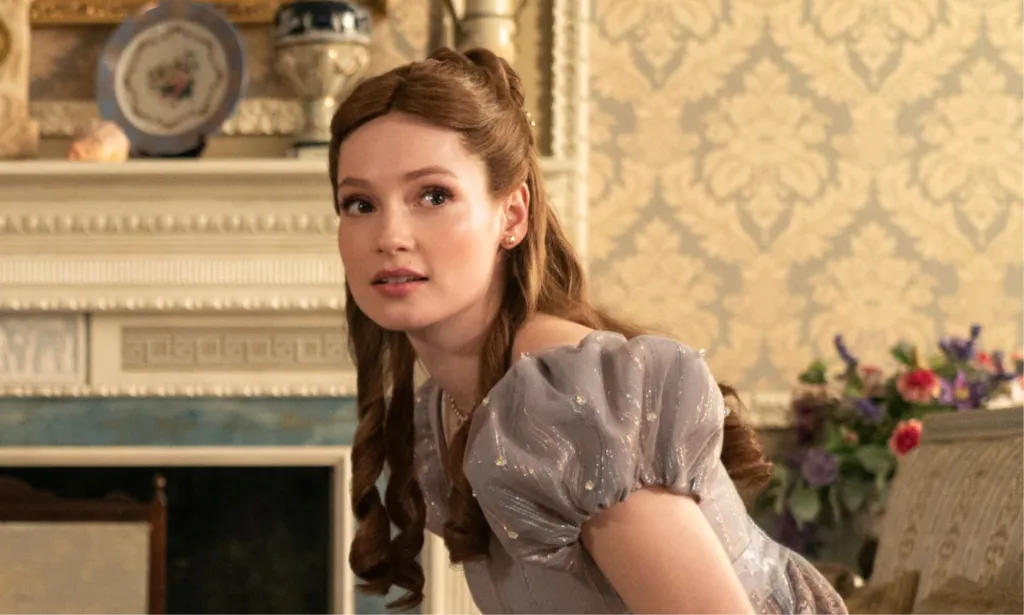
Portrayed brilliantly by actress Hannah Dodd, Francesca Bridgerton represents groundbreaking LGBTQ+ representation in one of Netflix’s biggest period dramas.
While the books portrayed her as straight, the show has evolved her character into what appears to be a queer woman whose journey of self-discovery resonates deeply with modern audiences.
Showrunner Jess Brownell confirmed Francesca will have a same-sex relationship in season 4, making her the first Bridgerton sibling with a queer romance as the main storyline.
This comprehensive guide explores Francesca’s sexuality, Hannah Dodd’s career, the character’s age, and the cultural significance of this representation in 2026.
Table of Contents
Quick Facts About Francesca Bridgerton
| Detail | Information |
|---|---|
| Character Name | Francesca Bridgerton (later Francesca Kilmartin) |
| Portrayed By | Hannah Dodd (Season 3-Present) |
| Previous Actress | Ruby Stokes (Seasons 1-2) |
| Birth Year (Character) | 1797 (Regency Era) |
| Age in Season 3 | 18 years old |
| Family Position | Sixth Bridgerton Child, Third Daughter |
| Sexuality | Queer/Bisexual (TV Show), Straight (Books) |
| First Husband | John Stirling, Earl of Kilmartin |
| Future Love Interest | Michaela Stirling (TV Show) |
| Book Love Interest | Michael Stirling (Books) |
| Actress Age | Hannah Dodd: 30 years old (Born May 17, 1995) |
| Actress Nationality | British (English) |
| Actress Height | 5’5″ (1.68 m) |
| Book Source | “When He Was Wicked” by Julia Quinn |
| Character Traits | Introverted, Musical, Piano Player, Reserved |
| Debut Season | Season 1 (Minor Role), Season 3 (Main Focus) |
| Marital Status | Married to John Stirling (Season 3 Finale) |
| Future Storyline | Season 4 (Expected Leading Role) |
| Residence | Scotland (With John), London (Family Home) |
| Representation | First Main Queer Romance in Bridgerton |
Is Francesca Bridgerton Gay? Understanding Her Sexuality
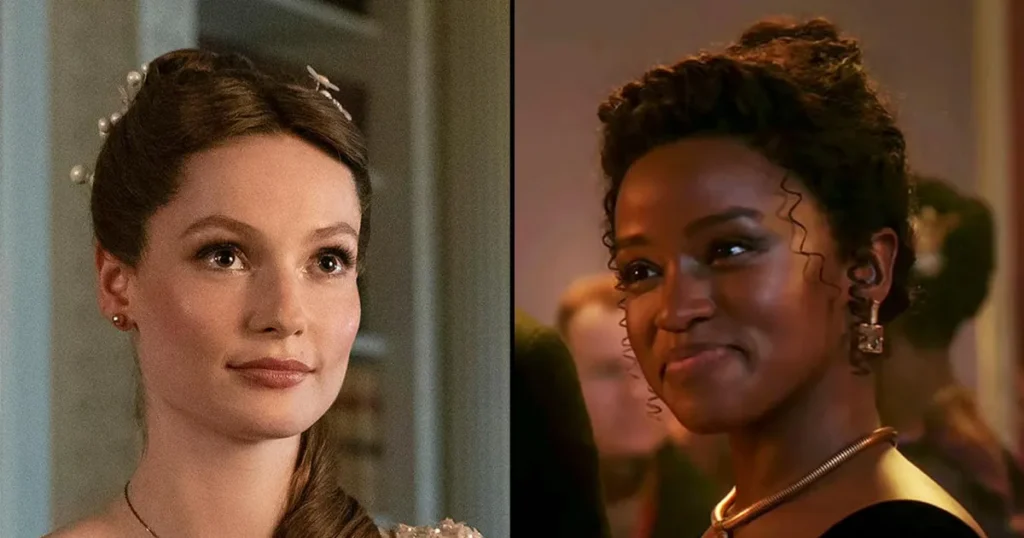
The question “Is Francesca Bridgerton gay?” gained momentum after the season 3 finale introduced a major character change. While her exact sexuality hasn’t been explicitly labeled, showrunner Jess Brownell confirmed Francesca is queer.
In the Netflix adaptation, Francesca’s sexuality differs significantly from Julia Quinn’s books where she is portrayed as heterosexual. The show reimagines her character as someone discovering her queer identity.
Brownell told Glamour that when she first read “When He Was Wicked,” Francesca’s book, she related to it as a queer woman. The character’s sense of feeling “different” resonated with LGBTQ+ experiences.
“Her book talks a lot about how different she feels, and I think Julia Quinn’s intention in the book is just that Fran feels different because she’s introverted,” Brownell explained.
“But for many of us in the queer community, that sense of feeling different is a part of our stories,” she continued, highlighting why this interpretation felt authentic.
Based on what’s been shown and confirmed, Francesca is likely bisexual or pansexual rather than lesbian, as she genuinely loves John Stirling while also being attracted to Michaela.
Brownell emphasized that Francesca’s love for John is real and valid, and her future attraction to Michaela doesn’t negate what she feels for her husband.
The show is portraying Francesca’s journey as discovering all aspects of her sexuality, showing that people can have multiple great loves regardless of gender.
The Michaela Stirling Reveal: A Game-Changing Moment
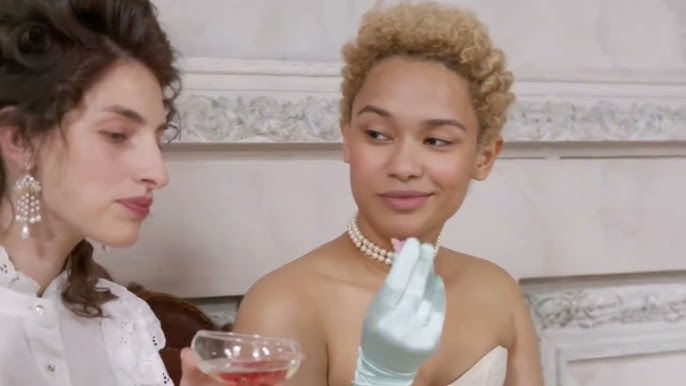
The final moments of Bridgerton season 3 delivered one of the series’ most talked-about scenes. After Francesca marries John Stirling, she meets his cousin Michaela Stirling, played by Masali Baduza.
In the books, John’s cousin is Michael Stirling, a man who eventually becomes Francesca’s second husband after John’s tragic death. The show gender-swapped this crucial character.
When Michaela introduces herself with the line “Every sordid detail John has spoken about me is a lie. The truth is far worse,” Francesca’s reaction speaks volumes.
Francesca becomes visibly flustered, stammering “Uh — I am — Well, I’m… Francesca. Bridgerton. Kilmartin. Kilmartin is my name now.” Her inability to form coherent sentences signals immediate attraction.
This moment mirrors classic romantic tension scenes throughout Bridgerton’s history, where characters experience instant chemistry upon meeting someone who will change their lives.
The visual direction emphasizes Francesca’s reaction: wide eyes, slightly parted lips, inability to maintain eye contact, and physical stillness as if struck by something unexpected.
Fans immediately recognized what was happening. Social media exploded with reactions, with many celebrating the representation while others expressed surprise at the deviation from the books.
This single scene effectively set up Francesca’s future storyline, confirming that her greatest love story is yet to come and will be with a woman.
Francesca’s Marriage to John Stirling
Throughout season 3, Francesca’s courtship with John Stirling unfolds as a gentle, quiet romance that contrasts sharply with the passionate Bridgerton love stories we’ve seen before.
John, portrayed by Victor Alli, is an introverted Earl who shares Francesca’s love of music and comfortable silence. They connect immediately over their mutual preference for quiet companionship over social performance.
Unlike her siblings’ dramatic romances, Francesca’s relationship with John develops through shared silences, piano duets, and mutual understanding. Their connection feels genuine and deeply compatible.
The couple marries in a small, intimate ceremony at the Bridgerton family home rather than a grand society wedding. This choice reflects their shared desire for simplicity and privacy.
However, a crucial moment during their first kiss reveals potential complexity. After they kiss, Francesca’s expression shows brief confusion or disappointment before she smiles for her family.
This subtle reaction sparked immediate speculation among viewers. Was she disappointed by the lack of fireworks? Was she already sensing something wasn’t quite right?
Brownell has confirmed that Francesca genuinely loves John. Their relationship is real, valid, and important to her character development and understanding of love.
In season 3’s final episode, Francesca confides in her mother Violet that she’s still trying to “find herself” and hopes moving to Scotland will help her “know herself better.”
What Happens to John Stirling? The Tragic Truth
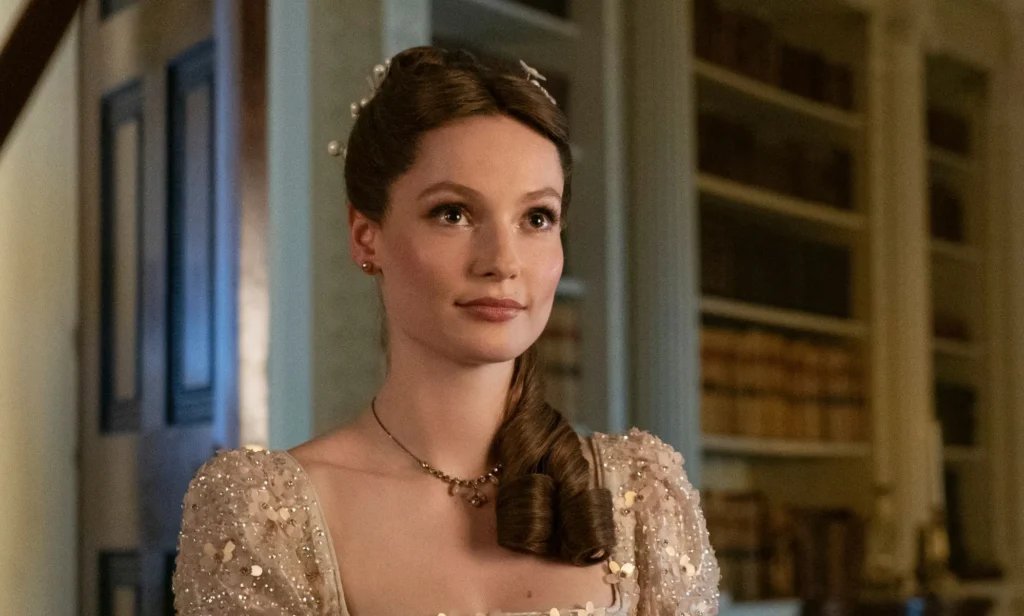
For viewers unfamiliar with the books, Francesca and John’s future holds heartbreaking tragedy. According to Julia Quinn’s “When He Was Wicked,” John dies unexpectedly just two years after their marriage.
In the novels, John suffers a ruptured cerebral aneurysm while at their Scottish estate. His death is sudden, shocking, and completely unforeseen, leaving Francesca a widow at a very young age.
Shortly before John’s death in the books, Francesca experiences a miscarriage. The combination of losing both her husband and her unborn child devastates her completely.
Francesca spends approximately four years mourning John before she’s emotionally ready to consider marriage again. Her grief is deep, genuine, and prolonged.
The Netflix adaptation will likely follow similar beats, though the exact timing remains uncertain. Season 4 is expected to cover at least part of Francesca’s story, potentially including John’s death.
This tragedy sets up Francesca’s eventual romance with Michaela (Michael in the books). Her relationship with John’s cousin develops slowly from friendship born of shared grief.
Understanding this future makes Francesca’s season 3 storyline even more poignant. Viewers are watching her build a life with John, knowing it will be tragically cut short.
Brownell emphasized the importance of honoring John and Francesca’s relationship despite its eventual end, ensuring audiences understand that her love for him is real and meaningful.
Francesca and Michaela: The Future Queer Romance
Francesca’s future relationship with Michaela Stirling will become Bridgerton’s first main queer romance, representing a significant milestone for the show and period drama representation.
After John’s death, Francesca and Michaela will grow closer, bonding over their shared grief and love for John. This foundation creates emotional depth for their eventual romantic relationship.
In the books, Michael (now Michaela) is described as charming, flirtatious, and more outgoing than John. This personality contrast will likely challenge and complement Francesca’s reserved nature.
Brownell has pitched making this character queer since season 1, waiting for the right moment to introduce this storyline with the care and attention it deserves.
“I didn’t want to just insert a queer character for queer character’s sake,” Brownell told Teen Vogue, emphasizing the importance of authentic, meaningful representation.
The showrunner obtained author Julia Quinn’s blessing to tell this queer story, with Quinn expressing support for LGBTQ+ representation in the Bridgerton adaptation.
Brownell stressed that this romance will receive a happy ending. “It was important for me in telling a main queer story for us to be able to give them a happily ever after,” she stated.
Unlike many LGBTQ+ stories that focus on tragedy and suffering, Francesca and Michaela’s relationship will explore “queer joy” and the beauty of finding love after loss.
Hannah Dodd: The Actress Behind Francesca
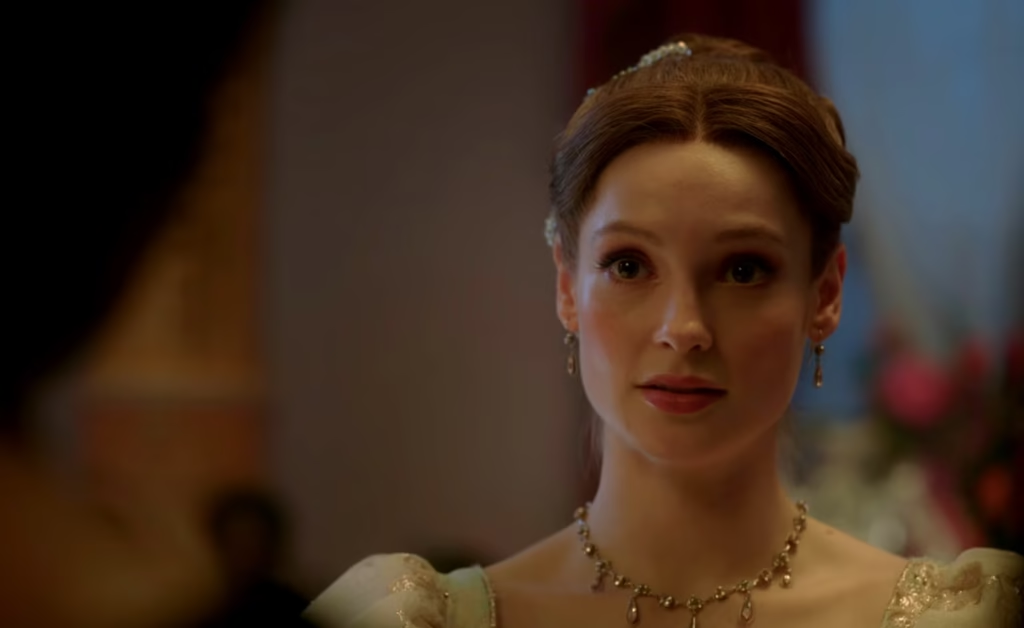
Hannah Dodd took over the role of Francesca Bridgerton in season 3, replacing Ruby Stokes who left due to scheduling conflicts with Netflix’s “Lockwood & Co.”
Born on May 17, 1995, Hannah is 30 years old as of 2026. She hails from Colchester, England, and grew up in Leavenheath on the Essex-Suffolk border.
Hannah’s background is in dance and modeling before transitioning to acting. She began dancing at age 2 and trained extensively in ballet, contemporary, and theatrical dance.
She graduated from London Studio Centre in 2017 with a Bachelor of Arts in Theatre Dance, receiving comprehensive training in performance arts.
At 16, Hannah signed with Select Model Management, using her modeling income to fund her dance training. She worked for brands including Primark, Topshop, Boden, and Monsoon Accessorize.
Her breakthrough modeling moment came in 2014 when she was cast in a Burberry campaign alongside Romeo Beckham. This high-profile job gave her invaluable on-set experience.
“I just loved that feeling of working with a giant crew and everybody bringing something that they’d trained in,” Hannah told WWD about discovering her passion for film and television.
Hannah’s transition from modeling and dance to acting happened organically. “It was never a conscious decision to move away from dancing, but I just fell in love with acting,” she explained.
Hannah Dodd’s Acting Career Before Bridgerton
Hannah Dodd’s first major acting role came immediately after graduation when she landed a lead role in Hulu’s “Find Me in Paris” (2018-2020), playing ballerina Thea Raphael across three seasons.
She appeared in multiple seasons of Hulu’s “Harlots” (2018) in a recurring role, gaining valuable experience working on period dramas before joining Bridgerton.
In 2022, Hannah had a breakthrough year with several high-profile projects. She played the younger version of Sienna Miller’s character in Netflix’s “Anatomy of a Scandal.”
She starred as Corinne Foxworth in Lifetime’s “Flowers in the Attic: The Origin,” a prequel miniseries based on V.C. Andrews’ controversial novels. The second half of the series focused entirely on her character.
Hannah appeared in “Enola Holmes 2” (2022) as Sarah Chapman/Cicely, working alongside Millie Bobby Brown in the popular Netflix film franchise.
She had a brief role in Marvel’s “Eternals” (2021), though her part was small. This experience exposed her to blockbuster filmmaking.
Other television credits include “Pandora” (2020) and various British productions that helped her develop her craft before landing the coveted Bridgerton role.
When she auditioned for Bridgerton, Hannah didn’t initially know what project she was auditioning for. She sent in a tape and waited months before getting called for a meeting.
Taking Over the Role of Francesca
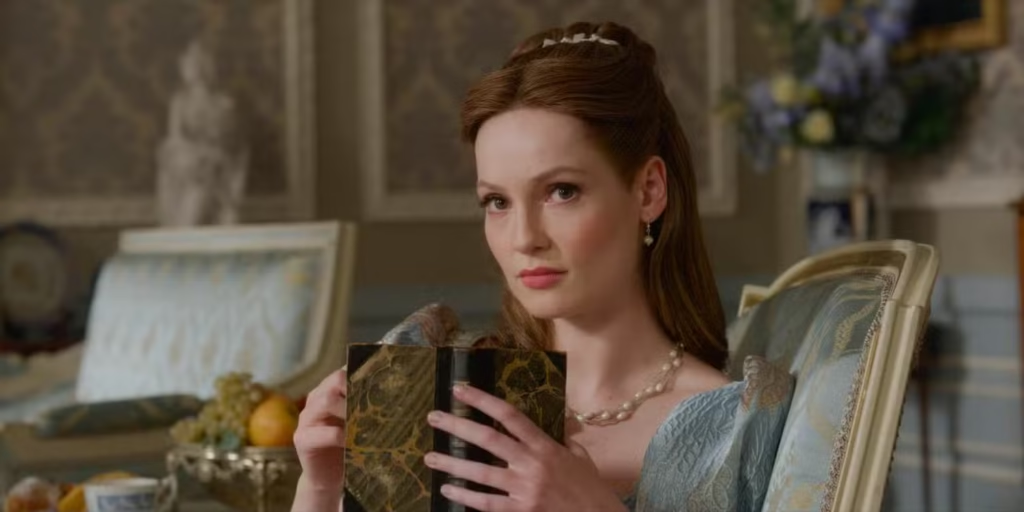
Replacing an existing character presented unique challenges for Hannah Dodd. Ruby Stokes had established Francesca in seasons 1 and 2, giving the character a foundation Hannah needed to honor while making it her own.
“It was pretty scary,” Hannah admitted to Town & Country about joining the established cast. “I was really terrified! It’s the weirdest feeling, walking around a set that you’ve watched on TV.”
On the day of her meeting with the Bridgerton team, they revealed it was for Francesca Bridgerton. This meant Hannah couldn’t prepare in advance like she normally would for auditions.
Despite the pressure, Hannah embraced the character fully. Her interpretation of Francesca emphasizes her introverted nature, musical passion, and quiet strength.
Filming Francesca’s debut into society was particularly nerve-wracking. “There was a little bit of life imitating art there. She was nervous, and I was nervous,” Hannah told Tudum.
Hannah connected deeply with Francesca’s character, particularly her sense of feeling different from her siblings. This emotional resonance helped her deliver an authentic, nuanced performance.
The actress brought her dance background to Francesca’s musicality, understanding how physical expression and art connect to identity and emotion.
Hannah’s performance received widespread praise from critics and fans alike, with many noting she brought new depth and dimension to Francesca compared to the character’s limited previous appearances.
Francesca’s Character Development Across Seasons
In seasons 1 and 2, Francesca Bridgerton appeared only briefly, mostly in background family scenes. She was portrayed as quiet, reserved, and often overlooked among her more outgoing siblings.
Season 3 marked Francesca’s proper introduction as a fully developed character. Her debut into society becomes a major storyline, finally giving her the attention she deserves.
Throughout season 3, we discover Francesca’s passion for piano and music. She feels most herself when playing, finding expression through melody that she struggles to achieve through words.
Her relationship with her mother Violet reveals Francesca’s internal struggle. She confides that she doesn’t feel like she knows herself yet, hoping marriage and moving to Scotland will provide clarity.
Francesca’s courtship with John shows her rejecting the traditional Bridgerton model of passionate, dramatic love. She seeks something quieter, more comfortable, and less performative.
Her interactions with Eloise create a unique bond between the two most different Bridgerton siblings. Eloise’s decision to move to Scotland with Francesca suggests their growing connection.
The brief moment with Michaela at season 3’s end hints at Francesca’s awakening. Her flustered reaction contrasts sharply with her calm demeanor throughout the rest of the season.
Future seasons will explore Francesca’s grief, self-discovery, and eventual romance with Michaela, completing her journey from uncertain young woman to someone who truly knows and accepts herself.
The Books vs. The Show: Major Differences
In Julia Quinn’s “When He Was Wicked,” the sixth Bridgerton novel, Francesca is portrayed as unquestionably heterosexual. Her second great love is Michael Stirling, John’s male cousin.
The book’s Michael is charming, rakish, and has secretly loved Francesca since before she married John. His unrequited love creates much of the book’s emotional tension.
After John’s death, Michael inherits the earldom, becoming the Earl of Kilmartin. This inheritance complicates his eventual relationship with Francesca in the books.
The book focuses heavily on themes of guilt, forbidden desire, and overcoming grief. Michael struggles with loving his cousin’s widow while Francesca battles feelings of betrayal to John’s memory.
Netflix’s adaptation maintains the core emotional beats while completely changing the gender dynamics. Michaela (not Michael) transforms the entire story into queer representation.
This gender swap means different social implications. While the book deals with societal expectations around widow remarriage, the show will address same-sex relationships in the Regency era.
Author Julia Quinn has publicly supported this change despite initial surprise. She acknowledged that “switching the gender of a major character is a huge change” but trusted the creative team.
Quinn stated she needed more information before agreeing but ultimately felt confident the adaptation would honor the book’s themes while creating meaningful LGBTQ+ representation.
Why the Change? Jess Brownell Explains
Showrunner Jess Brownell’s decision to make Francesca queer wasn’t arbitrary—it stemmed from her personal connection to the character and commitment to inclusive storytelling.
“The first time I read When He Was Wicked, which is Francesca’s book, I really related to it as a queer woman,” Brownell told Glamour.
She saw fertile ground for queer storytelling in Francesca’s sense of feeling different, which Quinn wrote as introversion but Brownell read through a queer lens.
“For many of us in the queer community, that sense of feeling different is a part of our stories,” Brownell explained, highlighting how this theme resonates universally.
Brownell wanted to ensure queer audiences, who haven’t seen themselves represented in Bridgerton’s main romances, could finally experience that representation.
“Queer audiences haven’t gotten the chance to see themselves represented in a major way on the show, which is, in so many other ways, so inclusive,” she told Glamour.
She pitched this idea from season 1, waiting for the right moment and ensuring she had Quinn’s support before proceeding with such a significant change.
Brownell emphasized honoring the book’s themes while adapting for television: “We are going to try to honor the themes of the book as much as possible. Obviously, some changes will have to be made.”
Representation Matters: LGBTQ+ in Period Dramas
Francesca’s queer storyline represents groundbreaking LGBTQ+ representation in mainstream period drama, a genre historically resistant to acknowledging historical queerness.
While shows like “Gentleman Jack” and “The Favourite” have explored LGBTQ+ stories in historical settings, Bridgerton’s massive global audience amplifies this representation significantly.
For many young queer viewers, seeing a character like Francesca discover her sexuality in a beloved show validates their own experiences and identities.
Historical accuracy arguments often used to exclude queer stories from period dramas ignore well-documented historical evidence of LGBTQ+ people throughout history.
Same-sex relationships existed during the Regency era, though they were hidden and criminalized. Bridgerton’s fantasy approach to history allows space for happier queer narratives.
Brownell’s commitment to “queer joy” rather than queer trauma distinguishes this storyline from many LGBTQ+ historical narratives that focus primarily on suffering.
The decision to guarantee Francesca and Michaela a happy ending addresses a persistent problem in media where queer characters disproportionately experience tragic fates.
By making Francesca’s queerness central rather than peripheral, Bridgerton validates that LGBTQ+ stories deserve the same romantic treatment as heterosexual ones.
Benedict Bridgerton’s Queerness: Another Revelation
Season 3 hinted at queerness for not just Francesca but also Benedict Bridgerton, suggesting multiple siblings will have LGBTQ+ storylines.
Benedict, played by Luke Thompson, has shown attraction to men since season 1. His flirtation with Henry Granville and openness to sexual exploration indicated his bisexuality.
“Benedict’s sexuality is something we had been talking about in the writer’s room honestly from Season One,” Brownell told Teen Vogue.
In season 3 part 2, Benedict begins a relationship with Tilley Arnold, who later introduces him to her male friend Paul, leading to an implied threesome.
This storyline confirms Benedict as bisexual or pansexual, exploring his sexuality in ways that feel authentic to his artistic, open-minded character.
Having two Bridgerton siblings with queer storylines normalizes LGBTQ+ identities within the family structure, showing queerness as a natural variation rather than aberration.
Benedict’s exploration happens differently from Francesca’s. While she’s discovering her identity through emotional connection, he’s experimenting sexually and embracing fluidity.
Together, Benedict and Francesca represent different queer experiences, showing the diversity within LGBTQ+ identities and journeys of self-discovery.
Fan Reactions: Support and Controversy
Fan response to Francesca’s queerness has been largely positive, with many celebrating the representation and praising the casting of Masali Baduza as Michaela.
Social media exploded after the season 3 finale, with #Franchesca and #Francescaandmichaela trending worldwide as fans processed the revelation.
Many LGBTQ+ fans expressed emotional responses, sharing how meaningful it was to see themselves represented in a show they love.
“This is the representation we’ve been waiting for,” one fan tweeted, capturing the sentiment of many who felt seen for the first time in Bridgerton.
However, some book purists expressed disappointment about the deviation from Julia Quinn’s original story, particularly Michael Stirling fans who loved his character.
Criticism focused primarily on changing established book canon rather than objecting to queer representation itself, though unfortunately, homophobic responses also appeared.
Brownell anticipated this reaction: “I understand that people are going to have feelings about the fact that this character won’t appear exactly as they expected.”
Most criticism was respectful disagreement about adaptation choices, with many acknowledging the importance of representation while mourning the book’s Michael.
Julia Quinn’s Response and Support
Author Julia Quinn addressed the controversy directly on Facebook, explaining her thought process in approving Francesca’s character change.
“Many Bridgerton fans have expressed their surprise, and for some, disappointment in the twist at the end of Bridgerton Season 3,” Quinn began.
She acknowledged that “switching the gender of a major character is a huge change” and understood why some fans felt upset about the deviation.
Quinn explained that Brownell approached her with the idea and she “needed more information before conferring [her] agreement.”
After extensive discussions about how the adaptation would handle the storyline, Quinn gave her blessing, trusting the creative team’s vision.
Quinn has historically supported LGBTQ+ representation in the Bridgerton universe, having expressed desire to see queer stories in the adaptation.
She emphasized that the books still exist unchanged: “Michael Stirling still exists in book world,” offering comfort to fans who prefer the original.
Her support validates the adaptation’s choices while respecting book fans’ right to prefer the original version, modeling gracious engagement with adaptation changes.
Historical Context: Queer Life in Regency Era
While Bridgerton takes creative liberties with history, same-sex relationships absolutely existed during the Regency period (1811-1820), though they were criminalized and hidden.
The “Buggery Act” of 1533 made sodomy punishable by death in England, a law that remained on the books throughout the Regency era and beyond.
Despite legal persecution, LGBTQ+ people found ways to live and love. Historical records document queer communities, coded language, and discreet meeting places.
Women faced less legal scrutiny than men because female same-sex relationships were less acknowledged by law, ironically providing more freedom in some respects.
Some women lived openly together as “romantic friends” or “Boston marriages,” relationships that may have been romantic or sexual but were socially tolerated as platonic.
The Regency era’s strict gender segregation actually created spaces where same-sex intimacy could develop without arousing suspicion.
Historical figures like Anne Lister (subject of “Gentleman Jack”) lived openly as lesbians during this period, documenting their experiences in coded diaries.
Bridgerton’s fantasy approach allows exploring these historical realities without the exclusively tragic narratives that accurate historical depiction would require.
What Season 4 Will Bring for Francesca
Bridgerton showrunner Jess Brownell has estimated that season 4 will be ready approximately two years after season 3, suggesting a 2026 release.
Season 4 is expected to focus heavily on Francesca’s storyline, potentially making her the season’s romantic lead as the show follows the book order.
The season will likely begin with Francesca and John’s married life in Scotland, showing their companionable relationship before tragedy strikes.
John’s death will probably occur mid-season, allowing time to establish their relationship while leaving room for Francesca’s grief and eventual connection with Michaela.
Eloise’s presence in Scotland means she’ll witness Francesca’s journey, potentially providing support and a confidante during this difficult time.
The development of Francesca and Michaela’s relationship will require careful pacing, honoring Francesca’s grief while building authentic romantic tension.
Season 4 could address period-appropriate challenges of same-sex relationships while maintaining Bridgerton’s optimistic tone and guaranteeing a happy ending.
Hannah Dodd has expressed both excitement and terror about carrying a season: “I’ll be excited but absolutely terrified,” she told The Weekly.
The Importance of Bisexual Representation
Francesca’s storyline specifically represents bisexuality or pansexuality, showing attraction to multiple genders—a frequently misunderstood and underrepresented sexual orientation.
Bisexual characters often face erasure in media, with their relationships with one gender used to “prove” they’re actually gay or straight.
Brownell’s emphasis that Francesca’s love for John is real and doesn’t negate her attraction to Michaela directly challenges this harmful bisexual erasure.
“The reveal of Francesca’s future queerness [doesn’t negate] what she has with John,” Brownell stated, validating bisexual experiences of loving multiple genders authentically.
This representation shows that sexuality isn’t defined by current partners but by capacity for attraction, an important message for bisexual viewers.
Many bisexual people in different-gender relationships face invalidation of their queerness, with people assuming they’re straight. Francesca’s story counters this misconception.
By showing Francesca loving both John and Michaela deeply, the show validates that “lots of different kinds of love are valid,” as Brownell phrased it.
This nuanced portrayal of bisexuality in a mainstream show helps normalize the reality that attraction isn’t binary and people can have multiple great loves.
Hannah Dodd’s Personal Life and Relationships
Hannah Dodd maintains relative privacy about her personal life, though she shares glimpses on Instagram where she has over 200,000 followers as of 2026.
As far as public knowledge indicates, Hannah appears to be single currently, focusing on her burgeoning acting career.
In 2022, around the time she was cast in Bridgerton, Hannah was rumored to be dating British musician Sam Fender.
A source told The Sun: “Sam thinks Hannah is absolutely stunning and has been liking her pictures like crazy, which is of course very flattering for her.”
The source continued: “She has also followed him back and they are getting on very well. It’s a case of watch this space.”
However, neither Hannah nor Sam confirmed the relationship publicly, and any romance appears to have been brief or purely speculative.
Hannah’s Instagram showcases her work, time with friends and family, behind-the-scenes Bridgerton content, and her continued modeling work.
She maintains professional boundaries while engaging authentically with fans, striking a balance between accessibility and privacy that many young actors struggle to achieve.
Physical Appearance and Personal Style
Hannah Dodd stands 5 feet 5 inches tall (1.68 m) with a dancer’s graceful physicality that serves her well in period drama costuming.
Her natural features include expressive eyes and delicate features that work beautifully for the Regency era aesthetic Bridgerton requires.
As a trained dancer and former model, Hannah brings body awareness and movement quality to Francesca that enhances her performance.
Her personal style, visible on her Instagram, tends toward modern, casual looks—quite different from Francesca’s elaborate Regency gowns.
Hannah has worked with major brands including Burberry, Topshop, New Look, and BaByliss, showcasing versatility in fashion presentation.
In 2023, she became the face of Aveda’s Botanical Repair campaign, expanding her presence in the beauty and hair care industry.
Her modeling experience helps her understand how to work with costume, hair, and makeup teams to create cohesive character looks.
Hannah’s dance background is evident in her posture and movement, bringing elegance to Francesca’s piano playing scenes and general deportment.
The Piano: Symbol of Francesca’s Identity
Francesca’s relationship with music, particularly piano, serves as a crucial metaphor for her character development and self-expression.
Throughout season 3, Francesca is most comfortable and herself when playing piano, finding expression through music that she struggles to achieve verbally.
Her connection with John deepens through shared musical appreciation. They communicate through melodies, finding understanding without excessive conversation.
The piano represents Francesca’s interior life—rich, complex, and beautiful—that exists beneath her quiet exterior.
Hannah Dodd’s dance training helped her approach the physicality of piano playing, though piano double work handles actual performance.
Music serves as Francesca’s emotional language, allowing her to express feelings she can’t articulate in words—a trait that will become important in her queer journey.
The show uses piano motifs in Francesca’s scenes, creating musical themes that will likely develop as her character evolves across seasons.
As Francesca discovers herself, music will likely continue playing a central role, perhaps connecting her to Michaela through shared artistic appreciation.
Impact on Future Bridgerton Seasons
Francesca’s queer storyline sets precedent for how Bridgerton will handle LGBTQ+ representation going forward, potentially influencing other characters’ stories.
Benedict’s bisexuality and Francesca’s queerness suggest the show is committed to diverse sexual orientations among the Bridgerton siblings.
This representation may open doors for exploring other LGBTQ+ characters in future seasons, including trans or non-binary characters in historically-appropriate ways.
The success or backlash of Francesca’s storyline will influence how boldly the show tackles queer narratives in subsequent seasons.
Future seasons may explore the challenges and realities of queer relationships in Regency society while maintaining Bridgerton’s optimistic, romantic tone.
The guarantee of happy endings for queer characters sets a standard that subsequent LGBTQ+ storylines will hopefully maintain.
Francesca’s story provides a template for how to adapt heterosexual book romances into queer narratives while respecting source material themes.
Other period dramas may follow Bridgerton’s example, potentially leading to more LGBTQ+ representation in historical romance genres.
Critical Reception and Cultural Impact
Critical response to Francesca’s queer storyline has been overwhelmingly positive, with reviewers praising the thoughtful, authentic approach to representation.
Entertainment media outlets highlighted the “Franchesca” reveal as one of season 3’s most significant moments, generating substantial press coverage.
LGBTQ+ advocacy organizations and media praised Bridgerton for centering a queer romance in a major storyline rather than relegating it to background representation.
Cultural commentators noted the significance of bisexual representation specifically, addressing a persistent gap in mainstream media.
The storyline sparked important conversations about book adaptation, creative liberty, and whose stories get told in mainstream media.
Bridgerton’s massive global audience means this representation reaches viewers who might not seek out specifically LGBTQ+ content, expanding visibility significantly.
The decision to make this change during Pride Month 2024 was noted as particularly meaningful timing, though Brownell stated it was coincidental.
Francesca’s story contributes to broader cultural shifts toward LGBTQ+ normalization in mainstream entertainment, particularly in traditionally heteronormative genres.
FAQs About Francesca Bridgerton
Is Francesca Bridgerton gay or bisexual?
Francesca Bridgerton is queer, most likely bisexual or pansexual based on her genuine love for husband John Stirling and her attraction to Michaela Stirling. Showrunner Jess Brownell confirmed Francesca is queer and will have a same-sex relationship in season 4.
Why did they change Francesca’s sexuality from the books?
Showrunner Jess Brownell related to Francesca’s sense of feeling “different” as a queer woman and wanted to provide LGBTQ+ representation in Bridgerton’s main romances. Author Julia Quinn gave her blessing after extensive discussions about honoring the book’s themes.
Who plays Francesca Bridgerton in season 3?
Hannah Dodd plays Francesca Bridgerton in season 3 and beyond, taking over from Ruby Stokes who played the role in seasons 1-2. Hannah is a 30-year-old British actress, dancer, and model born May 17, 1995.
Who is Michaela Stirling?
Michaela Stirling, played by Masali Baduza, is John Stirling’s cousin and Francesca’s future love interest. In the books, this character is male (Michael Stirling), but the show gender-swapped the character to create queer representation.
How old is Francesca Bridgerton in the show?
Francesca Bridgerton is 18 years old during her season 3 debut and marriage to John Stirling. She is the sixth Bridgerton child and third daughter, positioned between Eloise and Gregory in the family.
What happens to John Stirling in Bridgerton?
Based on the books, John Stirling will likely die from a brain aneurysm approximately two years after marrying Francesca. His tragic death sets up Francesca’s eventual romance with Michaela, John’s cousin, after a period of shared grief.
Will Francesca and Michaela get a happy ending?
Yes, showrunner Jess Brownell confirmed that Francesca and Michaela will receive a “happily ever after.” She emphasized the importance of giving queer characters happy endings rather than focusing solely on trauma and tragedy.
Is Francesca Bridgerton different from the books?
Yes, significantly. In Julia Quinn’s “When He Was Wicked,” Francesca is heterosexual and falls in love with Michael Stirling (a man). The Netflix show changed this to a queer storyline with Michaela Stirling (a woman).
When will Francesca’s story continue in Bridgerton?
Francesca’s main romantic storyline is expected to be featured in Bridgerton season 4, anticipated for release in 2026. The season will likely cover her life with John, his death, and her developing relationship with Michaela.
Why did Ruby Stokes leave Bridgerton?
Ruby Stokes left Bridgerton due to scheduling conflicts with Netflix’s “Lockwood & Co.” where she played the lead role. Hannah Dodd was recast as Francesca beginning in season 3.
Conclusion
Is Francesca Bridgerton gay? The answer is yes—Francesca is queer, representing groundbreaking LGBTQ+ visibility in one of Netflix’s most successful period dramas.
While her exact sexuality label remains open to interpretation, she appears to be bisexual or pansexual, capable of loving both her husband John Stirling and his cousin Michaela Stirling.
This character evolution from Julia Quinn’s heterosexual book version marks a significant moment for representation in mainstream romance. Hannah Dodd’s sensitive portrayal brings depth and authenticity to Francesca’s journey of self-discovery.
Showrunner Jess Brownell’s decision to reimagine Francesca as queer wasn’t arbitrary but stemmed from personal connection and commitment to meaningful representation.