Why Am I So Lazy? Feeling lazy is usually not about who you are, but what your mind and body are going through.
Low motivation, constant procrastination, and poor energy levels often come from things like sleep deprivation, burnout, or even poor diet.
Your brain relies on dopamine to stay focused and driven, and when it’s low, everything feels harder. Add too many distractions, lack of routine, or unclear goals, and it becomes even worse.
What looks like laziness is often your body asking for rest, better habits, and a healthier mindset—not a lack of discipline.
Table of Contents
Quick Table
| Problem | Root Cause | Solution |
|---|---|---|
| Always tired | Sleep deprivation | Improve sleep routine |
| No motivation | Low dopamine | Small wins & rewards |
| Constant procrastination | Fear & overwhelm | Break tasks into steps |
| No energy | Poor diet & lack of exercise | Eat better & move daily |
| Easily distracted | Too many distractions | Focus systems |
| No direction | Lack of clear goals | Set simple goals |
| Feeling stuck | Burnout | Rest & reset |
| Low mood | Depression/anxiety | Mental health care |
| No structure | Lack of routine | Build habits |
The Truth: You’re Not Actually Lazy
If you keep asking yourself, “why am I so lazy?”, here’s the truth most people don’t realize:
You’re probably not lazy at all.
What feels like laziness is usually a mix of low energy levels, poor habits, mental overload, and lack of motivation.
Your brain isn’t designed to work non-stop. When your dopamine levels drop, or when you’re dealing with burnout, anxiety, or even mild depression, your brain tries to protect you by slowing you down.
This shows up as:
- Procrastination
- Lack of discipline
- No motivation
- Feeling tired all the time
But these are symptoms, not your personality.
Many top-ranking articles miss this:
Laziness is not the problem — it’s a signal.
Your body and mind could be telling you:
- “I’m exhausted” (sleep deprivation)
- “I’m overwhelmed”
- “This feels risky” (fear of failure)
- “I don’t see a reward” (low dopamine)
Instead of blaming yourself, it’s more useful to understand the real causes behind your mindset, habits, and routine. Once you fix those, motivation and discipline follow naturally.

9 Hidden Reasons Why You Feel Lazy
There isn’t just one reason behind laziness. It’s usually a combination of psychological, physical, and behavioral factors like burnout, poor diet, lack of exercise, distractions, and unclear goals.
Here are the 9 most common hidden reasons why you feel lazy, unmotivated, and stuck—and what they really mean.
Lack of Sleep
One of the biggest hidden causes of laziness is sleep deprivation. When you don’t get enough sleep, your brain struggles to regulate dopamine, which directly affects your motivation and focus.
Low-quality sleep leads to:
- Low energy levels
- Poor concentration
- Increased procrastination
You might think you’re lazy, but your body is simply tired. Without proper rest, even simple tasks feel overwhelming. Over time, this creates a cycle: poor sleep → low energy → no motivation → more procrastination.
Improving your sleep routine can dramatically boost your discipline, habits, and overall mindset. Aim for consistent sleep timing and reduce screen distractions before bed.
Mental Burnout
Burnout happens when you’ve been under constant stress for too long. Your brain becomes overloaded, and your motivation drops.
Signs of burnout:
- Feeling mentally exhausted
- No interest in work
- Increased procrastination
This is not laziness—it’s your brain asking for recovery. Many people try to push harder, but that actually worsens burnout.
To fix this:
- Take intentional breaks
- Reduce workload temporarily
- Focus on recovery
Burnout directly affects your dopamine system, making even things you enjoy feel draining.
Fear of Failure
Sometimes laziness is actually fear in disguise.
If you’re afraid of failing, your brain avoids starting tasks altogether. This leads to procrastination, which looks like laziness but is actually a protection mechanism.
Common thoughts include:
- “What if I fail?”
- “What if I’m not good enough?”
This fear lowers motivation and damages your mindset. The solution is to focus on small actions instead of big outcomes. Build discipline by taking tiny steps daily.
Too Many Distractions
We live in a world full of distractions—phones, social media, notifications. These constantly spike your dopamine, making real work feel boring.
When your brain gets used to instant rewards:
- Focus becomes harder
- Motivation drops
- Procrastination increases
This is why you feel lazy when working but not when scrolling.
To fix this:
- Reduce distractions
- Create a focused environment
- Use time blocks
Controlling distractions improves your habits and boosts productivity.
Poor Diet
Your diet directly affects your energy levels and brain performance.
A poor diet—high in sugar and processed foods—causes:
- Energy crashes
- Low motivation
- Brain fog
Without proper nutrients, your body cannot sustain focus or discipline. This leads to feeling tired and lazy all the time.
Improving your diet:
- Eat whole foods
- Stay hydrated
- Avoid sugar spikes
Better nutrition improves both physical energy and mental clarity.
No Clear Goal
If you don’t have clear goals, your brain doesn’t know what to focus on.
This leads to:
- Lack of motivation
- Procrastination
- No sense of direction
Your brain needs a target to activate dopamine. Without it, everything feels pointless.
Set simple, clear goals:
- Daily tasks
- Weekly objectives
- Long-term vision
Clarity improves your mindset and builds discipline.
Overwhelm
When tasks feel too big, your brain shuts down. This is called overwhelm.
Instead of starting, you:
- Avoid tasks
- Delay work
- Feel stuck
This creates a loop of procrastination and stress.
The solution:
- Break tasks into small steps
- Focus on one thing at a time
Reducing overwhelm makes it easier to take action and rebuild motivation.
Depression/Anxiety
Sometimes laziness is linked to depression or anxiety.
These mental health conditions affect:
- Energy levels
- Motivation
- Focus
You may feel:
- Constant fatigue
- No interest in activities
- Difficulty concentrating
This is not a discipline issue—it’s a health issue. If symptoms persist, seeking help is important.
Understanding this is a major content gap most competitors ignore.
Lack of Routine
Without a structured routine, your brain relies on willpower—which is limited.
This leads to:
- Inconsistent habits
- Low discipline
- More procrastination
A daily routine removes decision fatigue and builds automatic behavior.
Start small:
- Fixed wake-up time
- Work blocks
- Evening wind-down
Strong routines create consistency and improve your mindset over time.
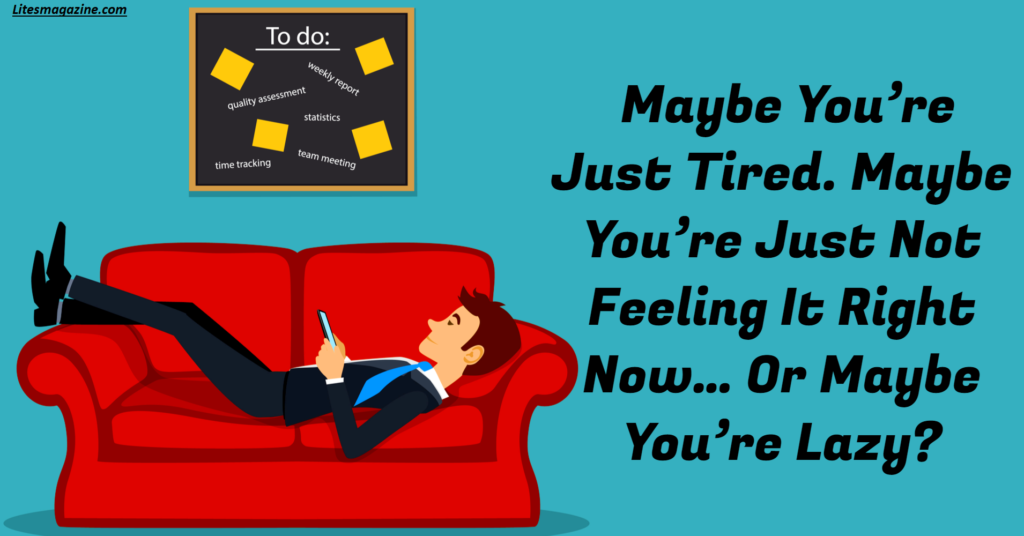
How to Stop Being Lazy (Step-by-Step Plan)
If you’re wondering how to stop being lazy and unmotivated, here’s a simple, science-backed plan:
Step 1: Fix Your Energy
Start with basics:
- Improve sleep
- Fix your diet
- Add light exercise
Without energy, motivation won’t work.
Step 2: Reduce Distractions
Limit social media and create a focused workspace. Fewer distractions = better habits.
Step 3: Start Small
Break tasks into tiny actions. This reduces overwhelm and builds momentum.
Step 4: Build a Routine
Create a daily routine to automate discipline. This removes the need for constant motivation.
Step 5: Use Dopamine Smartly
Reward yourself after completing tasks. This trains your brain to stay motivated.
Step 6: Shift Your Mindset
Stop saying “I’m lazy.” Instead think:
“I’m improving my habits.”
Consistency beats intensity. Small daily actions will rebuild your motivation, discipline, and energy levels over time.
When Laziness Might Be Something Serious
Sometimes, feeling lazy all the time isn’t just about habits—it can be something deeper.
If you experience:
- Constant fatigue
- No motivation for weeks
- Loss of interest in life
- Difficulty focusing
It could be linked to:
- Depression
- Anxiety
- Chronic burnout
These conditions affect your brain’s dopamine system and energy levels. This isn’t something you can fix with discipline alone.
You should consider:
- Talking to a professional
- Improving lifestyle habits
- Reducing stress
Many competitors ignore this, but it’s important:
Not all laziness is behavioral—some of it is psychological or physical.
Recognizing this early can help you take the right steps toward recovery.

FAQs
Why am I so lazy all the time?
It’s usually due to low energy, poor habits, burnout, or lack of motivation—not actual laziness.
Is laziness a mental illness?
No, but it can be linked to conditions like depression or anxiety.
How do I stop procrastination?
Break tasks into small steps, reduce distractions, and build a routine.
Can poor diet make me lazy?
Yes, a poor diet lowers energy levels and affects brain function.
How do I get motivation back?
Improve sleep, reduce distractions, and use small rewards to boost dopamine.
Conclusion
If you’ve been asking, “why am I so lazy?”, the answer is more complex than it seems.
Laziness is not a personality flaw—it’s a signal. It can come from sleep deprivation, burnout, poor diet, lack of exercise, distractions, or even deeper issues like anxiety and depression.
The good news?
Every one of these causes is fixable.
By improving your habits, building a simple routine, and understanding how your brain works, you can rebuild your motivation and energy levels.
Start small. Stay consistent. Focus on progress, not perfection.
Over time, you’ll realize something powerful:
You were never lazy—you just needed the right system.