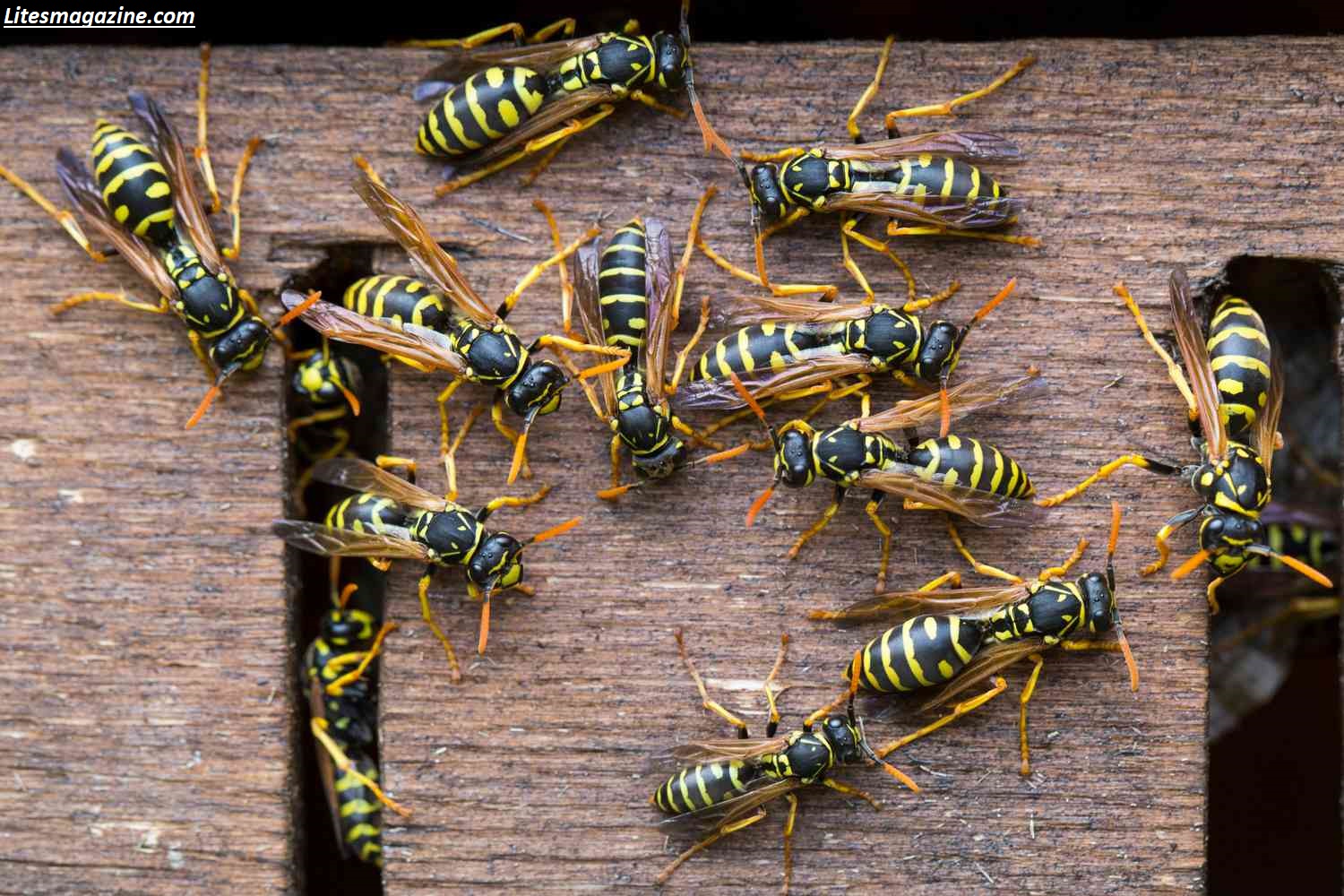
Why Are Wasps So Aggressive? Wasps seem aggressive because their behavior is driven by survival instincts rather than hostility.
They are highly protective of their nest and will react quickly to any perceived threat.
Unlike bees, wasps can sting multiple times, which makes their defense appear more intense.
Their aggression also increases due to factors like food scarcity, especially in late summer, and competition within the wasp colony.
Certain wasp aggression triggers—such as sudden movement, strong smells, or vibrations—can make them defensive.
In reality, wasp behavior is about protection and survival, not attacking without reason, even though it may feel that way to humans.
Table of Contents
Quick Table
| Factor | Explanation | Impact on Behavior |
|---|---|---|
| Wasp Colony Defense | Wasps protect their nest aggressively | High aggression near nests |
| Food Scarcity | Less food in late summer increases irritability | More attacks on humans |
| Alarm Pheromones | Chemicals released when threatened | Triggers swarm attacks |
| Territorial Instincts | Wasps defend their space | Aggression near territory |
| Wasp Life Cycle | Seasonal changes affect behavior | Peak aggression in late summer/fall |
| Social vs Solitary Wasps | Social wasps defend colonies | More aggressive species |
What Makes Wasps Seem So Aggressive?
Wasps often appear more aggressive than other insects because of their defensive nature and fast reactions. Unlike bees, which usually sting only once, wasps can sting multiple times, making encounters more intense.
Their behavior is closely tied to survival instincts, especially when it comes to protecting their nest or competing for food.
Human activity can unintentionally trigger wasp aggression. Sudden movements, vibrations, or even strong scents can be interpreted as threats.
This leads people to believe that wasps attack randomly, but in reality, their actions are usually a response to perceived danger.
Understanding basic wasp behavior helps explain why they seem hostile, when they are actually acting on instinct.
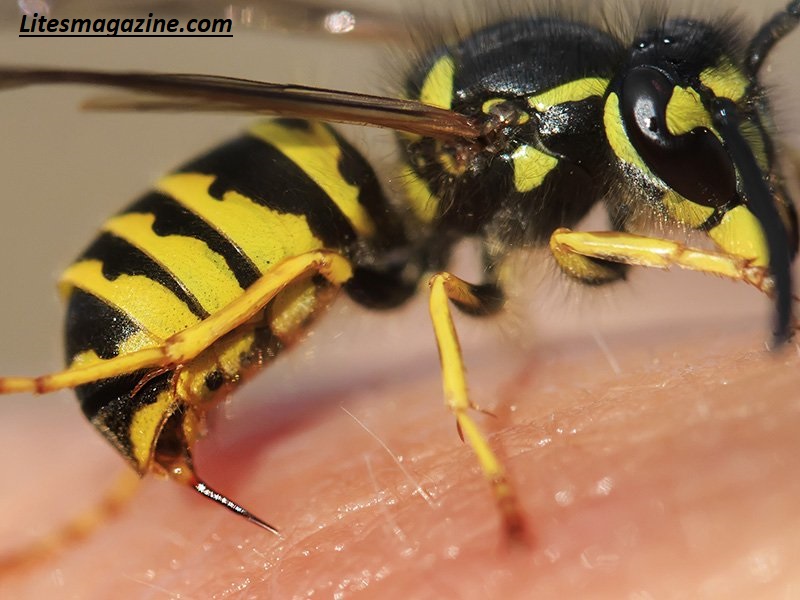
The Real Reasons Behind Wasp Aggression
Wasp aggression is not random—it is driven by a combination of biological and environmental factors.
Their primary goal is survival, which includes protecting their colony, securing food, and defending territory. Several wasp aggression triggers can make them more reactive, especially during certain times of the year.
Environmental stressors like heat and food shortages increase irritability. At the same time, their highly organized social structure makes them quick to respond to threats.
Defense of Their Nest
One of the biggest reasons why wasps are so aggressive is wasp nest defense.
Wasps are extremely protective of their colony because it contains their queen, larvae and food supply. Any perceived threat near the nest can trigger an immediate defensive response.
When a wasp senses danger, it releases alarm signals that alert other members of the colony.
This can quickly escalate into a group attack. Even getting too close accidentally can be enough to provoke them. This is why people often experience multiple stings in a short time.
Social wasps are especially defensive compared to solitary species.
Their survival depends on the colony as a whole, making them more willing to attack intruders. Understanding this behavior is key to avoiding dangerous encounters.
Food Scarcity in Late Summer
Food scarcity is a major reason why wasps become more aggressive in summer and fall. Early in the season, wasps feed mainly on insects, helping control pests.
However, as the season progresses, their diet shifts toward sugary foods.
By late summer, natural food sources become limited. At the same time, the wasp colony reaches its peak size, increasing competition for resources. This combination leads to frustration and heightened aggression.
This is why wasps are often seen hovering around human food, drinks, and trash.
They are not targeting people specifically—they are searching for energy sources. Unfortunately, this overlap increases human-wasp conflicts and leads to more stings.
Territorial Behavior
Territorial instincts are another key factor in wasp behavior. Wasps establish and defend specific areas around their nests and food sources. Any intrusion into this space can trigger an aggressive response.
Unlike random attacks, these reactions are calculated and purposeful. Wasps use visual cues and movement to identify potential threats. Fast movements, in particular, can make them more defensive.
This territorial nature explains why wasps seem to “chase” people. In reality, they are trying to drive away what they perceive as a threat. Staying calm and moving slowly can often prevent escalation.
Alarm Pheromones
Alarm pheromones are one of the most important wasp aggression triggers. When a wasp feels threatened or is crushed, it releases these chemical signals into the air. This alerts nearby wasps and signals them to attack.
These pheromones can linger for a short time, increasing the risk of repeated stings in the same area. This is why swatting a wasp can make the situation worse.
The presence of alarm pheromones turns a single defensive reaction into a group response. Understanding this behavior is crucial for staying safe. Avoiding sudden actions and staying calm can help reduce the risk of triggering a swarm.
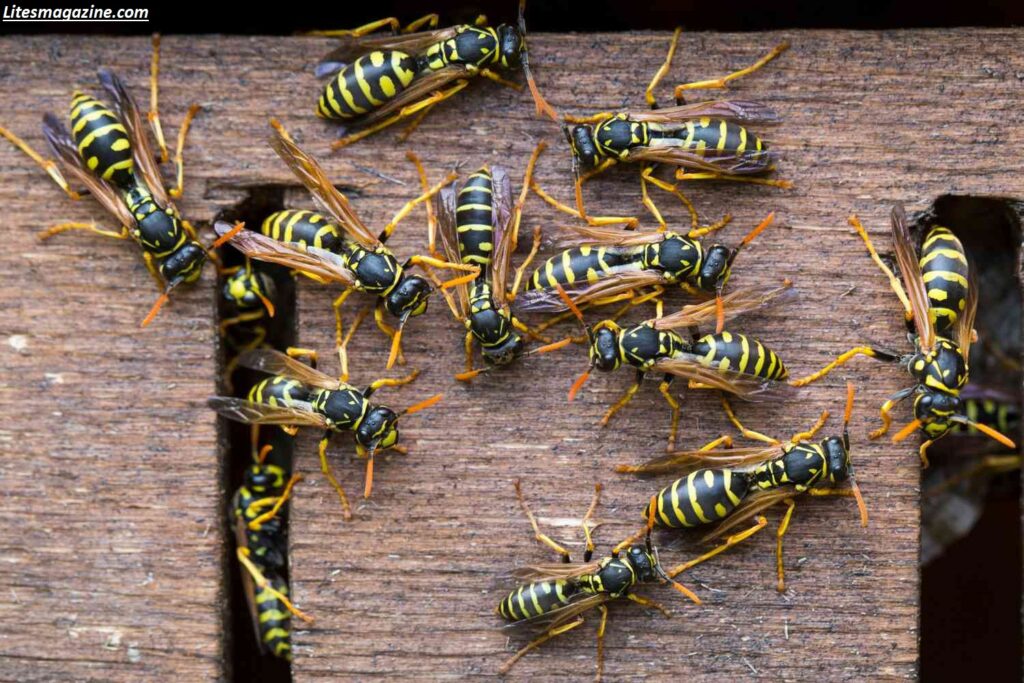
Are Wasps Aggressive All the Time?
Wasps are not aggressive all the time. Their behavior changes depending on environmental conditions, colony stage, and available resources.
Early in the season, wasps are generally less aggressive because their primary focus is building the nest and raising larvae.
During this phase, they are more interested in hunting other insects than interacting with humans. This makes them beneficial for ecosystems, as they help control pest populations.
Aggression increases as the colony grows. By late summer, the wasp colony reaches its peak size, and food demands rise significantly. This is when wasps become more defensive and more likely to sting.
Weather conditions also play a role. Hot temperatures can make wasps more active and reactive. Similarly, disturbances near their nest can quickly shift their behavior from calm to aggressive.
Understanding that wasps are not always aggressive helps reduce fear and allows for better decision-making when encountering them.
Why Are Wasps Worse in Summer and Fall?
Wasps are noticeably more aggressive in summer and fall due to changes in their life cycle and environment. During these seasons, several factors combine to increase aggression levels.
First, the wasp colony is at its largest size. More wasps mean more competition for food and greater sensitivity to threats. Second, natural food sources begin to decline, leading to increased encounters with humans.
Additionally, the queen stops producing new workers toward the end of the season. Without new responsibilities, existing wasps become more focused on feeding themselves. This shift in behavior makes them more persistent and aggressive.
Another factor is energy demand. Wasps rely on sugar for energy, which is why they are attracted to sweet foods and drinks. This increases their presence around outdoor activities, leading to more conflicts.
Overall, the combination of biological changes and environmental stress makes wasps aggressive in summer and especially in fall.
Do Wasps Sting Without Reason?
Wasps do not sting without reason. Every sting is a response to a perceived threat or trigger. However, these triggers may not always be obvious to humans.
Common triggers include sudden movements, loud vibrations, and strong scents like perfumes or food. Even wearing bright colors can attract attention and increase the likelihood of interaction.
Wasp behavior is based on defense and survival, not aggression for its own sake. When a wasp stings, it is usually trying to protect itself or its colony.
Misunderstanding these triggers leads to the belief that wasps attack randomly. In reality, their actions are predictable when you understand their instincts.
By staying calm, avoiding sudden movements, and keeping a safe distance from nests, you can significantly reduce the chances of being stung.
Social vs Solitary Wasps (Big Difference!)
There is a major difference between social vs solitary wasps, and this directly affects their aggression levels. Social wasps live in colonies and work together to protect their nest. This makes them more aggressive, especially when defending their territory.
Solitary wasps, on the other hand, live alone and do not have a colony to protect. They are much less aggressive and rarely sting unless directly handled or threatened.
Social species are responsible for most human encounters and stings. Their coordinated defense mechanisms, including alarm pheromones, make them more dangerous in groups.
Understanding this difference helps explain why some wasps seem harmless while others are highly aggressive. It also highlights the importance of identifying the type of wasp before reacting.
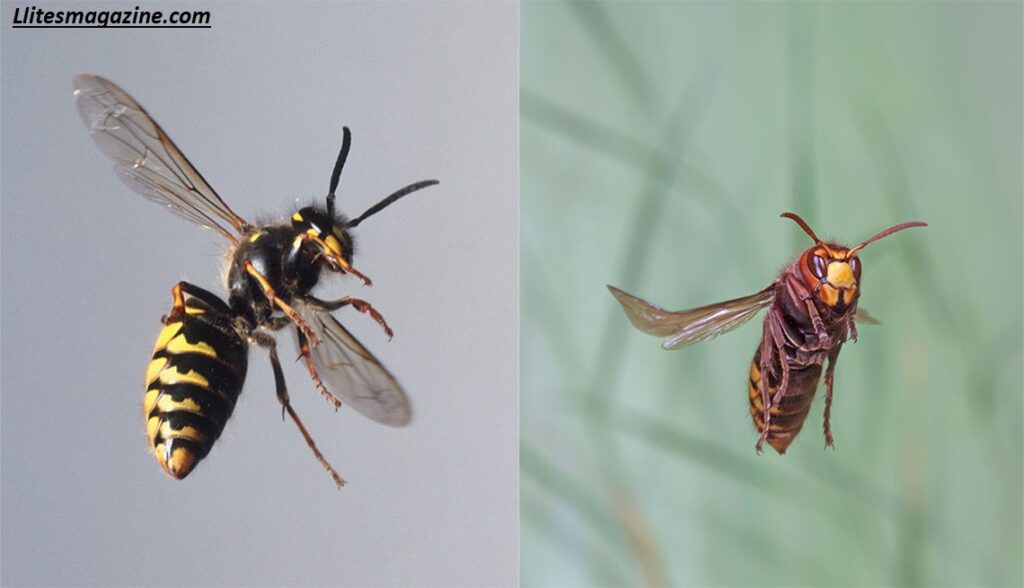
How to Avoid Angry Wasps
Avoiding wasp aggression starts with understanding their triggers and behavior. Simple precautions can greatly reduce the risk of stings.
First, avoid disturbing wasp nests. Keep a safe distance and never attempt to remove a nest without proper protection. Second, stay calm if a wasp approaches. Sudden movements can trigger a defensive response.
Managing food and waste is also important. Keep food covered and dispose of trash properly to avoid attracting wasps. Wearing neutral colors and avoiding strong scents can also help.
If you are in an area with high wasp activity, move slowly and avoid swatting at them. Remember, most wasps are not trying to attack—they are reacting to their environment.
By understanding wasp behavior and minimizing triggers, you can coexist safely with these insects.
FAQs
Why do wasps sting more than bees?
Wasps can sting multiple times because they do not lose their stinger.
Are wasps aggressive by nature?
They are defensive, not naturally aggressive.
Why are wasps aggressive in fall?
Food scarcity and colony changes increase aggression.
What attracts wasps to humans?
Food, sugary drinks, and strong scents.
Can wasps recognize threats?
Yes, they respond to movement, vibration, and proximity.
Conclusion
Wasps may seem aggressive, but their behavior is rooted in survival instincts rather than hostility.
\Factors like wasp colony defense, food scarcity, territorial instincts, and alarm pheromones all contribute to their actions.
By understanding these elements, it becomes clear that wasps are reacting to their environment rather than attacking without reason.
Seasonal changes play a significant role, especially during late summer and fall when resources become limited and colonies reach their peak size.
This is when most human-wasp conflicts occur. However, recognizing wasp aggression triggers and adjusting your behavior can significantly reduce risks.
The difference between social vs solitary wasps also highlights why some encounters are more dangerous than others. Social species are more protective and coordinated, while solitary ones are generally harmless.
Ultimately, learning about wasp behavior allows you to approach these insects with awareness rather than fear. With the right precautions, it is possible to avoid stings and safely coexist with wasps in your environment.