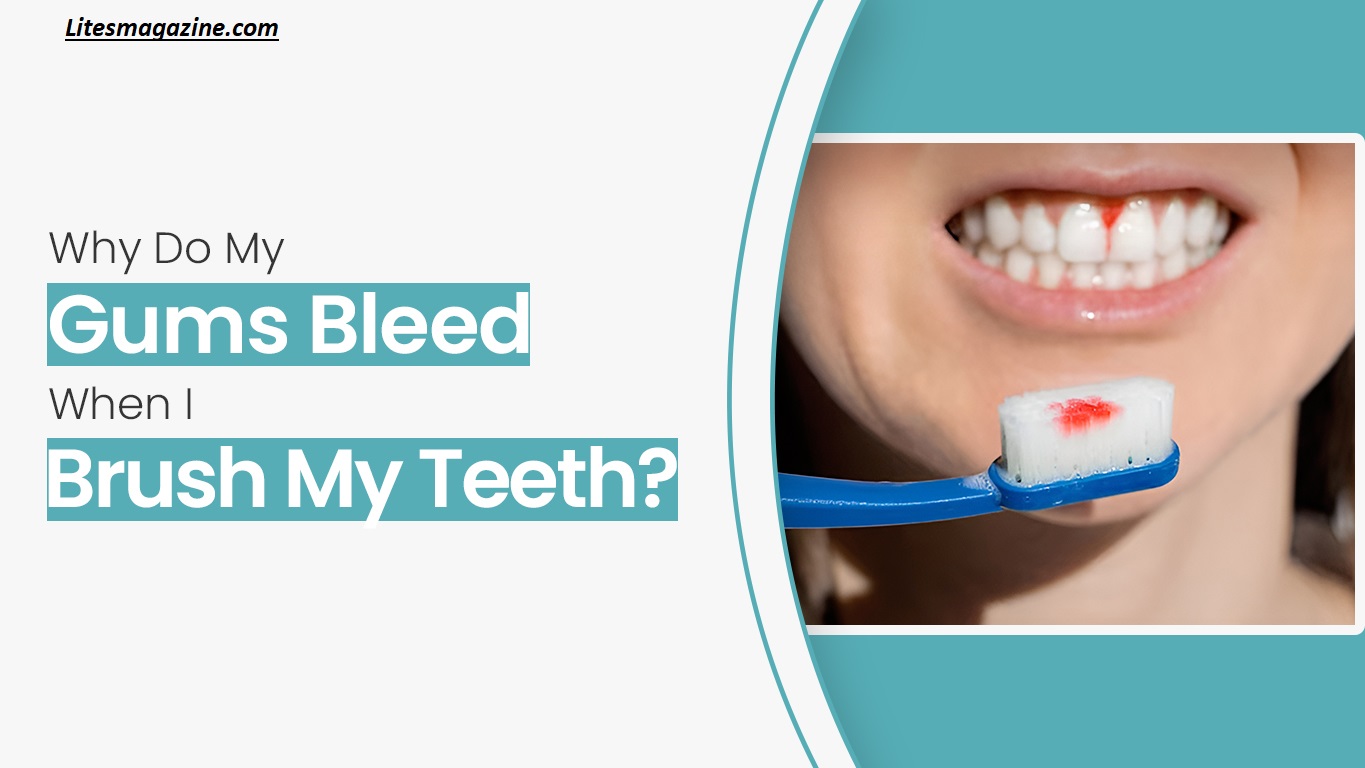
Why Do My Gums Bleed When I Brush My Teeth? Bleeding gums when brushing teeth can feel alarming.
You’re brushing like usual, and suddenly you see blood in the sink. Is it normal? Is it serious? Or is it something you can fix quickly?
This complete guide explains why your gums bleed when you brush, what it means for your oral health, and how to stop it fast using proven methods.
It also covers all major causes, treatments, prevention tips, and expert-backed solutions—so you can take control of your gum health today.
Table of Contents
Quick Table
| Problem | Possible Cause | Quick Fix |
|---|---|---|
| Bleeding gums when brushing | Plaque buildup | Brush & floss daily |
| Red, swollen gums | Gingivitis | Improve oral hygiene |
| Painful gums | Brushing too hard | Use soft-bristled toothbrush |
| Bleeding after flossing | Inconsistent flossing | Floss daily |
| Weak gums | Vitamin C deficiency | Improve diet |
| Ongoing bleeding | Medical conditions (e.g., diabetes) | See a dentist |
Is It Normal for Gums to Bleed?
Bleeding gums are common—but not normal.
Many people assume that seeing blood while brushing is harmless. But in reality, it’s often a sign that something isn’t right with your oral hygiene or overall gum health.
Healthy gums should be:
- Pink (not red gums)
- Firm (not swollen gums)
- Pain-free
- Free from bleeding during brushing or flossing
If your gums bleed, it usually means there is inflammation caused by bacteria, plaque buildup, or irritation. In early stages, this condition is called gingivitis, a mild form of gum disease.
The good news?
Bleeding gums in early stages are completely reversible with proper care.
However, if ignored, it can lead to periodontitis, a more serious gum disease that can damage your teeth and gums permanently.
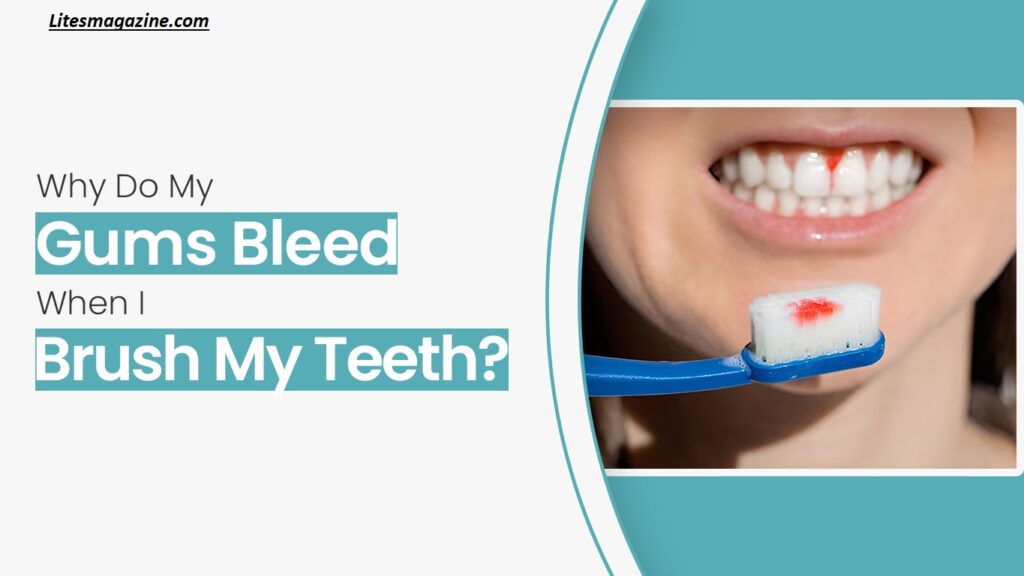
Top 7 Causes of Bleeding Gums
Understanding the bleeding gums causes is key to fixing the problem.
Plaque Buildup
Plaque buildup is the #1 cause of bleeding gums when brushing teeth. Plaque is a sticky layer of bacteria that forms on your teeth daily. If you don’t remove it through proper brushing and flossing, it hardens into tartar.
This bacteria irritates the gum line, causing inflammation and bleeding. Over time, plaque buildup leads to red gums, swollen gums, and even bad breath. Poor oral hygiene allows bacteria to thrive, increasing the risk of gum disease.
The solution is simple: brush twice a day, floss regularly, and maintain consistent oral hygiene to prevent plaque from damaging your gums.
Gingivitis
Gingivitis is the early stage of gum disease and one of the most common reasons your gums bleed when brushing. It occurs when plaque buildup causes inflammation along the gum line.
Symptoms include red gums, swollen gums, bleeding during brushing, and bad breath. The condition is usually painless, which is why many people ignore it.
If left untreated, gingivitis can develop into periodontitis, a severe form of gum disease that can cause tooth loss.
The good news is that gingivitis is reversible. Improving your brushing technique, flossing daily, and using a soft-bristled toothbrush can restore gum health quickl
Brushing Too Hard
Many people think brushing harder means cleaner teeth—but that’s not true.
Brushing too aggressively can damage your gums and cause them to bleed. Using a hard-bristled toothbrush or applying too much pressure can irritate the gum tissue, leading to inflammation and sensitivity.
This can also wear down your enamel and expose your gums, making them more vulnerable to bleeding.
Switching to a soft-bristled toothbrush and using a gentle brushing technique can make a big difference. Brush in circular motions instead of scrubbing back and forth.
Not Flossing
If you only brush and skip flossing, you’re leaving behind nearly 40% of plaque between your teeth.
This trapped plaque leads to bacteria growth, inflammation, and bleeding gums. When you finally start flossing again, your gums may bleed at first—but this is temporary.
Consistent flossing removes debris and improves gum health over time. It also helps prevent gingivitis and reduces bad breath.
Flossing is essential for complete oral hygiene and plays a major role in stopping bleeding gums.
Vitamin Deficiency
A lack of essential nutrients can weaken your gums.
Vitamin C deficiency is a major cause of bleeding gums because it affects tissue repair and immune function. Similarly, vitamin K deficiency can interfere with proper blood clotting, leading to prolonged bleeding.
Without these nutrients, your gums become more sensitive, inflamed, and prone to bleeding.
Eating a balanced diet rich in fruits, vegetables, and leafy greens helps strengthen your gums and improves overall oral health.
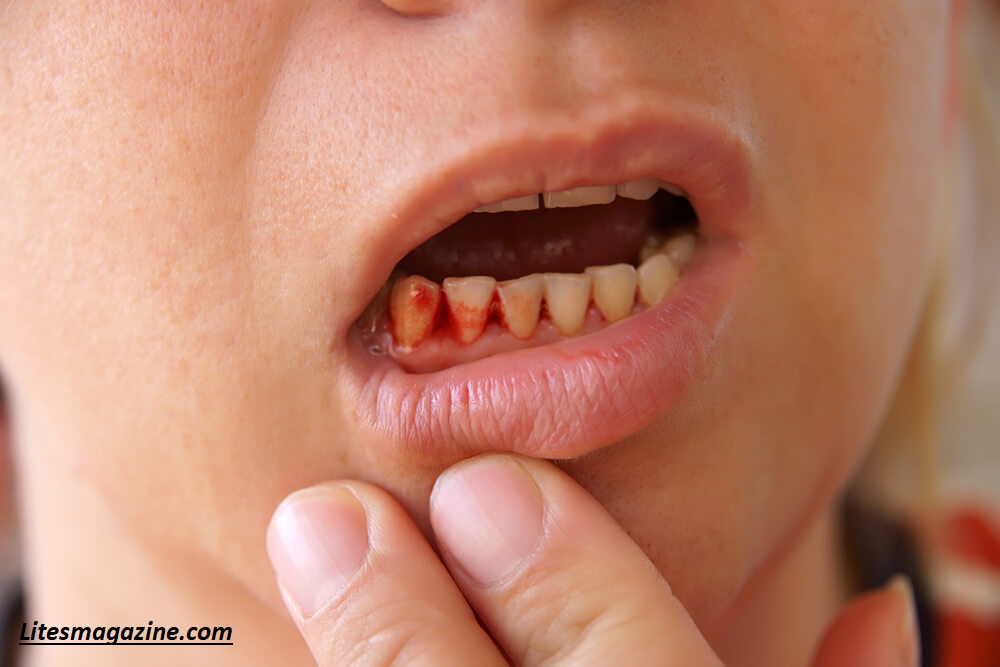
Medical Conditions
Certain health conditions can cause or worsen bleeding gums.
For example:
- Diabetes increases the risk of gum disease
- Hormone changes (pregnancy, puberty) make gums more sensitive
- Blood disorders affect clotting
These conditions can lead to inflammation, slow healing, and persistent bleeding even with good oral hygiene.
If your gums bleed frequently and don’t improve, it may be a sign of an underlying issue that requires medical attention.
Quick Fixes to Stop Bleeding Gums Fast
If your gums bleed when brushing, you can take immediate steps to reduce the problem.
First, switch to a soft-bristled toothbrush. This reduces irritation and protects sensitive gums. Use a gentle brushing technique—don’t scrub aggressively.
Second, improve your oral hygiene routine. Brush twice a day and floss daily. Even if your gums bleed during flossing, keep going—it usually stops within a few days as your gums heal.
Third, rinse your mouth with warm salt water. This helps reduce inflammation and kills bacteria.
Fourth, use toothpaste designed for gum health. These formulas help fight plaque buildup and prevent gingivitis.
Fifth, stay hydrated and maintain a healthy diet rich in vitamin C and vitamin K to strengthen your gums.
These quick fixes can significantly reduce bleeding within a few days if the cause is mild.
Long-Term Treatment
While quick fixes help, long-term treatment is essential for lasting results.
Start by maintaining consistent oral hygiene. Brush twice daily using a proper brushing technique and floss regularly to remove plaque buildup.
Professional dental cleaning is also important. Dentists remove tartar that cannot be eliminated at home. This prevents gum disease from progressing.
If gingivitis develops into periodontitis, deeper treatments such as scaling and root planing may be required.
Lifestyle changes also play a role. Quit smoking, eat a balanced diet, and manage conditions like diabetes to improve gum health.
Using antibacterial mouthwash can help control bacteria and reduce inflammation.
Long-term success comes from combining daily care, professional treatment, and healthy habits.
When to See a Dentist
You should not ignore persistent bleeding gums.
See a dentist if:
- Your gums bleed frequently
- Bleeding lasts more than a week
- You have swollen gums or red gums
- You notice bad breath that won’t go away
- Your gums feel painful or receding
These symptoms may indicate gum disease or a more serious condition like periodontitis.
A dentist can diagnose the exact cause and recommend the right treatment. Early intervention prevents complications and protects your teeth.
Regular dental checkups every six months are essential for maintaining good oral health.
Prevention Tips
Preventing bleeding gums is easier than treating them.
Here are simple tips:
- Brush twice daily with a soft-bristled toothbrush
- Use proper brushing technique (gentle circular motion)
- Floss daily to remove plaque between teeth
- Maintain good oral hygiene habits
- Eat foods rich in vitamin C and vitamin K
- Avoid smoking and sugary foods
- Drink plenty of water
- Visit your dentist regularly
Consistency is key. Good habits protect your gums and prevent bleeding in the future.
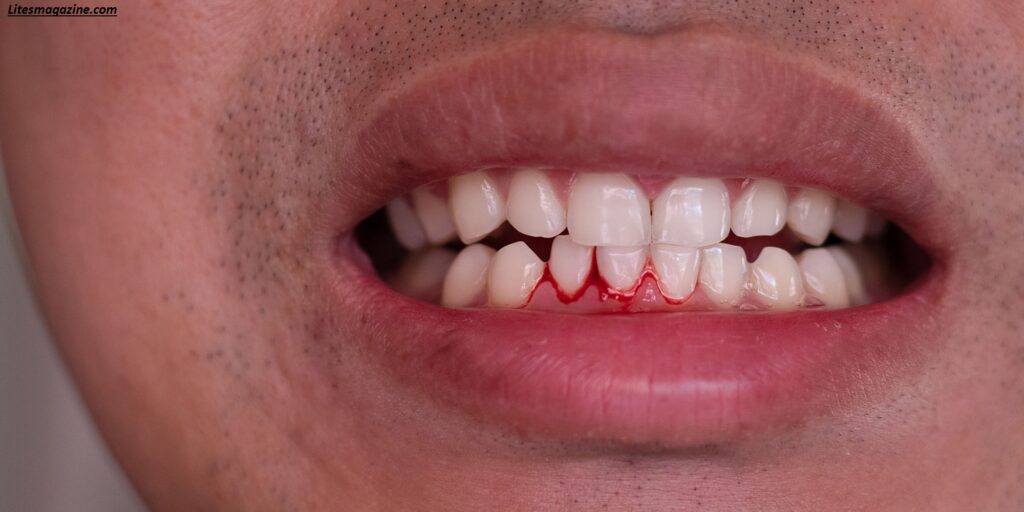
FAQs
Why do my gums bleed when I brush my teeth?
It’s usually caused by plaque buildup, gingivitis, or poor oral hygiene.
Is it normal for gums to bleed when flossing?
It can happen at first, but should stop after a few days of regular flossing.
How can I stop bleeding gums fast?
Use a soft-bristled toothbrush, improve oral hygiene, and rinse with salt water.
Can vitamin deficiency cause bleeding gums?
Yes, vitamin C deficiency and vitamin K deficiency can lead to gum bleeding.
When should I worry about bleeding gums?
If it continues for more than a week or is severe, see a dentist.
Conclusion
Bleeding gums when brushing teeth are a clear signal that your gums need attention. While it may seem minor at first, it often points to underlying issues like plaque buildup, gingivitis, or poor oral hygiene.
The good news is that most cases are easy to treat and even easier to prevent. By improving your brushing technique, flossing daily, and using a soft-bristled toothbrush, you can restore your gum health quickly.
Quick fixes can provide immediate relief, but long-term success depends on consistency. A healthy diet, proper oral hygiene, and regular dental visits play a crucial role in preventing gum disease.
Ignoring bleeding gums can lead to serious problems like periodontitis, tooth damage, and chronic inflammation. That’s why early action is so important.
Take care of your gums today, and they’ll protect your smile for years to come.