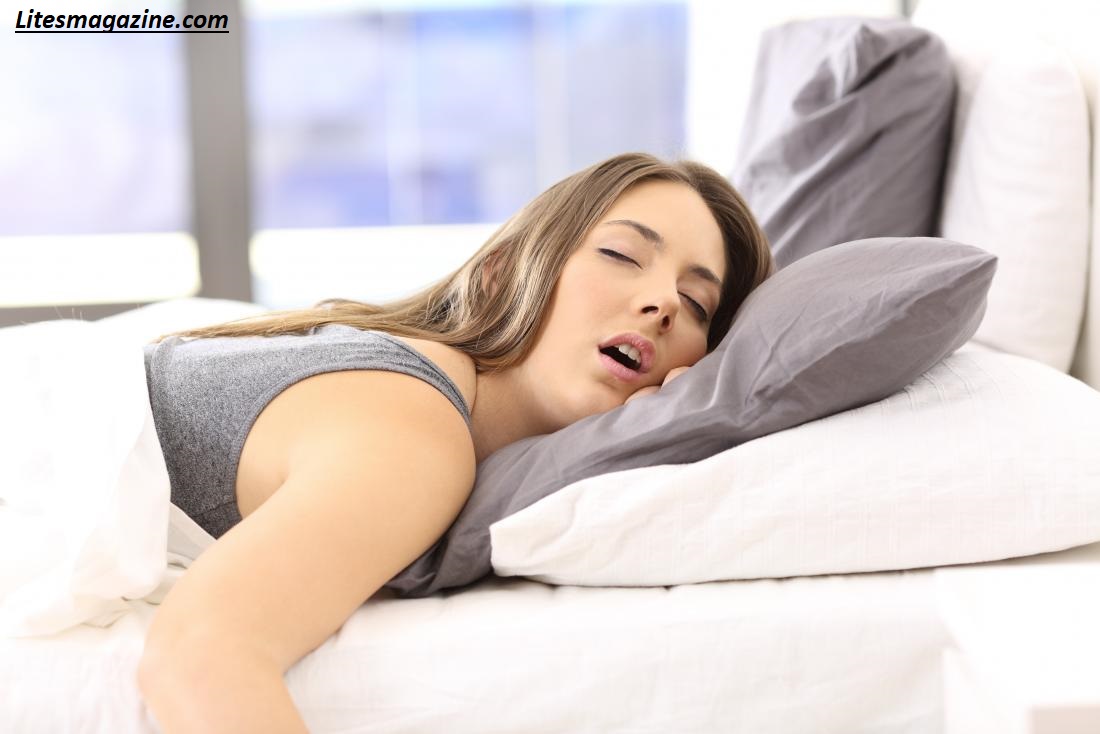
Why Do People Drool in Their Sleep? Waking up to a wet pillow can feel embarrassing—but it’s more common than you think.
If you’ve ever wondered why do people drool in their sleep, the answer lies in how your body handles saliva production, sleep position, and breathing patterns at night.
This guide goes beyond what competitors cover. It explains not just what causes drooling, but also the hidden triggers, overlooked conditions, and practical fixes most articles miss.
Table of Contents
Quick Table
| Factor | What It Means | Why It Causes Drooling |
|---|---|---|
| Sleep Position | Side or stomach sleeping | Gravity pulls saliva out |
| Mouth Breathing | Breathing through mouth | Mouth stays open |
| Saliva Production | Natural fluid in mouth | Excess leads to overflow |
| Hypersalivation | Too much saliva | Hard to swallow while asleep |
| Nasal Congestion | Blocked nose | Forces mouth breathing |
| Allergies | Sinus irritation | Increases mucus + saliva |
| GERD (acid reflux) | Stomach acid irritation | Triggers saliva response |
| Sleep Apnea | Interrupted breathing | Mouth opens during sleep |
| Bruxism (teeth grinding) | Jaw movement | Stimulates saliva glands |
| Medications Side Effects | Drug reactions | Increase saliva |
| Neurological Disorders | Nerve control issues | Weak swallowing reflex |
Is It Normal to Drool in Your Sleep?
Yes, in most cases, drooling during sleep is completely normal. Your body naturally produces saliva to keep your mouth moist, protect your teeth, and aid digestion. During the day, you swallow saliva automatically without even thinking about it.
At night, however, things change. Your swallowing reflex slows down, your muscles relax, and depending on your sleep position, saliva can escape from your mouth.
This is especially true if you sleep on your side or stomach, where gravity allows saliva to pool and leak out.
Occasional drooling is not a cause for concern. In fact, it can even indicate deep sleep, where your body is fully relaxed.
However, excessive drooling—also known as hypersalivation—may signal underlying issues such as nasal congestion, mouth breathing, or sleep disorders.
The key is frequency and severity. If drooling happens occasionally, it’s harmless. But if it becomes frequent, excessive, or paired with symptoms like snoring or choking, it may require attention.
Why Do People Drool in Their Sleep?
The simple answer is this: drooling happens when your body produces saliva faster than you can swallow it during sleep.
Several factors contribute to this. First, your muscles—including those controlling swallowing—relax during sleep.
This makes it harder for your body to manage saliva production efficiently. Second, conditions like nasal congestion or allergies can force you into mouth breathing, which increases the chances of drooling.
Another important factor is your body’s natural response to irritation. For example, GERD (acid reflux) can trigger extra saliva as a protective mechanism.
Similarly, conditions like sleep apnea can disrupt normal breathing patterns, causing your mouth to open during sleep.
In some cases, drooling is linked to bruxism (teeth grinding) or even neurological disorders that affect muscle control and swallowing reflexes.
So, while drooling may seem like a minor issue, it’s actually influenced by a combination of sleep habits, health conditions, and body functions working together.
7 Surprising Reasons You Drool While Sleeping
Drooling isn’t caused by just one thing—it’s usually a mix of factors. Here are the most common (and surprising) reasons behind it.
Sleeping Position
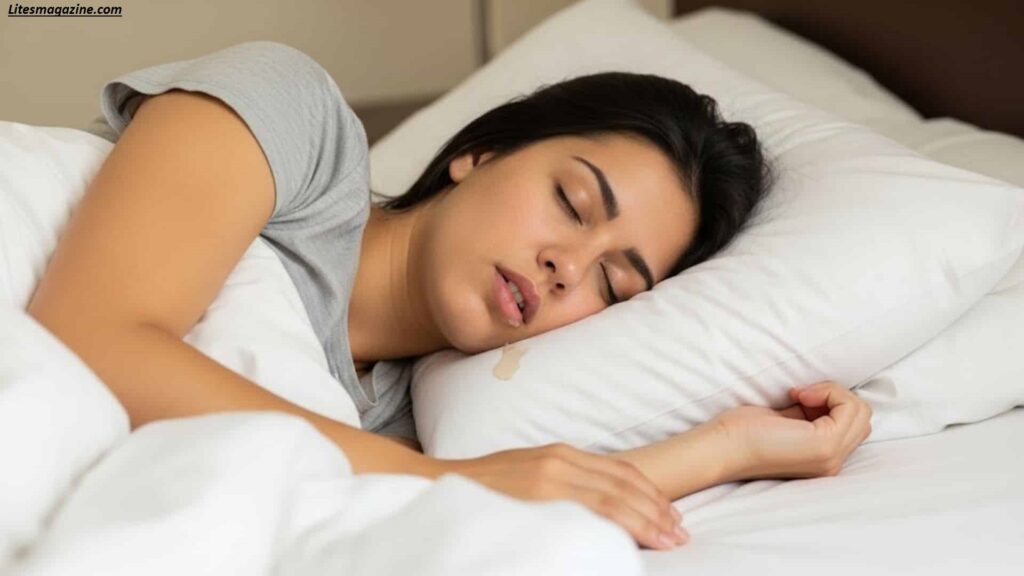
Your sleep position plays a major role in whether you drool or not. When you sleep on your side or stomach, gravity naturally pulls saliva toward the edge of your mouth. Since your swallowing reflex is slower during sleep, saliva can escape more easily.
Back sleepers are less likely to drool because saliva tends to stay in the mouth and flow down the throat. However, side sleeping is more common and often recommended for better breathing, which is why drooling frequently occurs in this position.
If you notice drooling mostly when lying on one side, your posture could be the main trigger.
Mouth Breathing
Mouth breathing is one of the biggest causes of drooling at night. When your mouth stays open, saliva has an easy path to escape.
This often happens due to nasal congestion, sinus issues, or habit. When your nose is blocked, your body automatically switches to mouth breathing to get enough oxygen.
Over time, this can lead to dry mouth, disrupted sleep, and increased drooling. Fixing the root cause—like clearing nasal passages—can significantly reduce the problem.
Allergies
Allergies can increase both mucus and saliva production. When your sinuses are irritated, your body reacts by producing more fluids, including saliva.
At the same time, allergies often cause nasal congestion, forcing you into mouth breathing. This combination—more saliva and an open mouth—makes drooling more likely.
Seasonal allergies, dust, or pet dander can all contribute. Managing allergy symptoms can often reduce nighttime drooling.
GERD (Acid Reflux)
GERD (acid reflux) is a lesser-known cause of drooling. When stomach acid moves up into the esophagus, your body produces extra saliva to neutralize the acid.
This protective response can lead to hypersalivation, especially at night when you’re lying down.
People with GERD may also experience heartburn, a sour taste, or coughing at night. Treating acid reflux can help reduce excessive saliva and drooling.
Sleep Apnea
Sleep apnea is a serious sleep disorder where breathing repeatedly stops and starts. It often causes the mouth to open during sleep, leading to drooling.
Other symptoms include loud snoring, gasping for air, and daytime fatigue. Drooling alone doesn’t mean you have sleep apnea, but if it’s combined with these symptoms, it’s worth checking.
Addressing sleep apnea not only reduces drooling but also improves overall sleep quality.
Medications
Certain medications side effects include increased saliva production. Drugs used for mental health conditions, neurological issues, or even some antibiotics can cause hypersalivation.
If you’ve recently started a new medication and noticed more drooling, it could be the reason. Always consult a doctor before making changes, but adjusting dosage or switching medications may help.
Neurological Issues
Some neurological disorders affect muscle control and the swallowing reflex. Conditions like Parkinson’s disease or stroke can make it harder to manage saliva properly.
This leads to drooling not just at night but sometimes during the day as well.
While this is less common, persistent and severe drooling should not be ignored, especially if accompanied by other neurological symptoms.
How to Stop Drooling in Your Sleep
If drooling is bothering you, the good news is that there are practical ways to reduce or stop it.
Start by adjusting your sleep position. Sleeping on your back can help keep saliva in your mouth. If that’s uncomfortable, try using a supportive pillow to keep your head elevated.
Next, address mouth breathing. Clearing nasal passages with steam, hydration, or nasal strips can make a big difference. If nasal congestion or allergies are the issue, treating them directly will help reduce drooling.
Improving sleep hygiene also matters. Avoid heavy meals before bed, especially if you have GERD (acid reflux). Maintaining a consistent sleep schedule can also regulate your body’s natural rhythms.
If bruxism (teeth grinding) is contributing, a mouthguard may help reduce saliva stimulation.
Finally, review any medications side effects with your doctor if you suspect they’re causing hypersalivation.
Small lifestyle changes often make a noticeable difference.
When Should You Be Concerned?
While occasional drooling is harmless, there are times when it may signal a deeper issue.
You should pay attention if drooling is excessive, happens every night, or interferes with your sleep quality. Frequent drooling combined with loud snoring, choking, or gasping may indicate sleep apnea, which requires medical attention.
Similarly, if drooling is paired with symptoms like difficulty swallowing, slurred speech, or muscle weakness, it could point to neurological disorders.
Persistent drooling along with heartburn or chest discomfort may suggest GERD (acid reflux).
Another red flag is sudden onset drooling after starting new medication, which may be due to medications side effects.
In general, if drooling is new, severe, or accompanied by other symptoms, it’s best to consult a healthcare professional. Early diagnosis can prevent more serious complications.
FAQs
Why do I drool more when I sleep on my side?
Because gravity pulls saliva out of your mouth more easily in that position.
Is drooling a sign of deep sleep?
Yes, it can indicate relaxed muscles and deeper sleep stages.
Can dehydration cause drooling?
Not directly, but it may affect saliva consistency and swallowing.
Does bruxism (teeth grinding) cause drooling?
Yes, it can stimulate saliva production and contribute to drooling.
How can I stop mouth breathing at night?
Treat nasal congestion, allergies, and practice breathing through your nose during the day.
Conclusion
Drooling during sleep might feel awkward, but it’s usually a normal part of how your body functions.
From sleep position and mouth breathing to conditions like allergies, GERD (acid reflux), and sleep apnea, many factors can contribute to it.
What most people don’t realize is that drooling is often a combination of relaxed muscles, increased saliva production, and breathing patterns.
In many cases, simple changes—like adjusting your sleep position or treating nasal congestion—can make a big difference.
However, persistent or excessive drooling shouldn’t be ignored.
It can sometimes signal underlying issues such as hypersalivation, neurological disorders, or medications side effects.
The key is to observe your symptoms and take action when needed.
With the right approach, you can improve not just drooling, but your overall sleep quality as well.