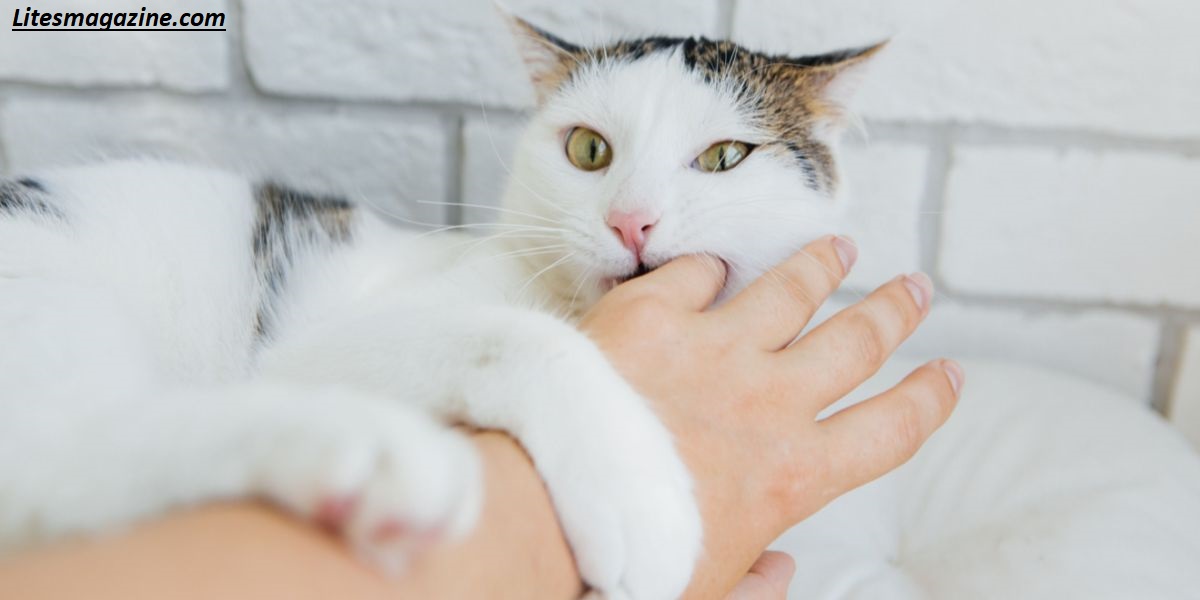
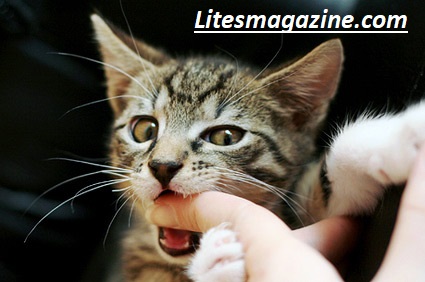
Why Does My Cat Bite Me When I Pet Her? you’re not alone. One moment your cat is purring peacefully, and the next, she suddenly bites your hand. It’s confusing, frustrating, and sometimes even painful.
The truth is, this behavior is extremely common and usually tied to natural cat behavior, communication, or even affection. In many cases, it’s not aggression at all—it’s your cat trying to tell you something.
Cats may bite during petting due to overstimulation, play aggression, or discomfort. Some cats have sensitive spots and may enjoy brief contact but react if touched too long.
Biting can also signal boundary-setting or stress. Learn your cat’s tolerance and use gentle, calm interactions to prevent bites.
Table of Contents
Quick Table
| Cause | What It Means | Common Signs | Solution |
|---|---|---|---|
| Overstimulation | Too much petting | Tail flicking, sudden bite | Stop earlier |
| Love Bites | Gentle affection | Soft nibble, no injury | Redirect behavior |
| Play Behavior | Hunting instinct | Pouncing, grabbing | Use toys |
| Fear or Anxiety | Feeling unsafe | Ears back, tense body | Create calm space |
| Pain or Illness | Physical discomfort | Sudden aggression | Vet check |
| Attention-Seeking | Wants interaction | Bites then licks | Scheduled playtime |
| Control/Dominance | Setting boundaries | Bites to stop petting | Respect limits |
7 Hidden Causes
Cats don’t bite randomly—there’s always a reason. Understanding these hidden causes helps you respond the right way instead of making the problem worse.
Many owners think, “why does my cat bite me randomly?” but in reality, your cat is giving subtle warning signs before the bite happens. You just need to learn how to read them.
Let’s break down the real reasons behind this behavior.
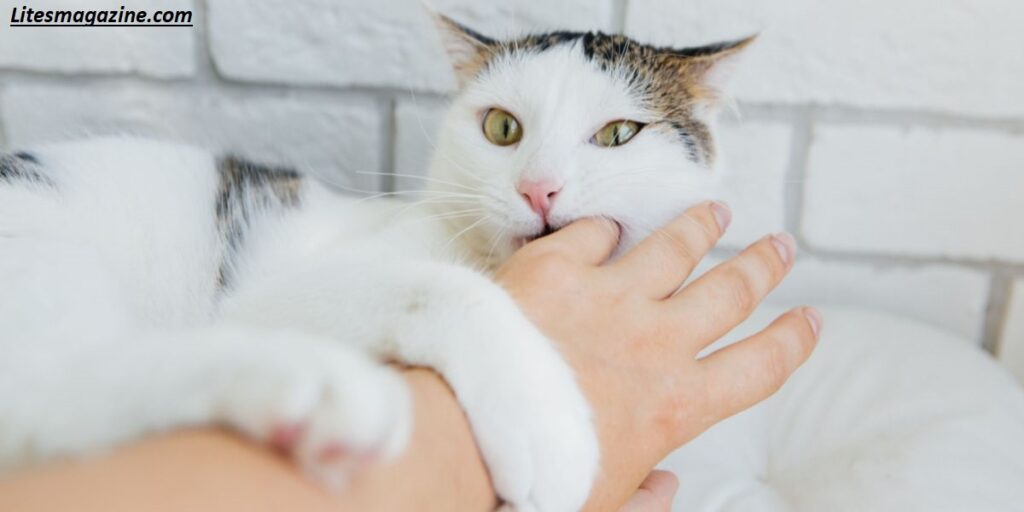
Overstimulation
One of the most common reasons behind cat biting while purring is overstimulation in cats. Your cat may enjoy petting—but only up to a certain point.
Cats have sensitive nerve endings. After repeated strokes, especially in certain areas like the belly or tail base, the sensation becomes overwhelming. What starts as pleasure turns into irritation.
This is called petting aggression.
Signs include:
- Tail twitching or flicking
- Ears turning sideways or backward
- Skin rippling
- Sudden bite after calm behavior
This explains why your cat seems fine… then suddenly attacks your hand. The key is stopping before your cat reaches that limit.
Love Bites
Not all bites are bad. Sometimes your cat is actually showing affection through love bites.
These are gentle nibbles that don’t break the skin. They’re similar to how cats groom each other socially. If you’ve noticed your cat bites then licks you, this is often a sign of bonding.
Love bites usually happen when:
- Your cat is relaxed
- She’s purring
- There’s no aggressive body language
However, even affectionate bites can become painful if not managed. Teaching your cat boundaries helps prevent escalation.
Play Behavior
If you’re wondering “why does my cat attack my hand?”, the answer may be simple: your cat thinks your hand is a toy.
Cats are natural hunters. When they see movement, their instinct kicks in. Hands moving during petting can trigger:
- Pouncing
- Grabbing
- Biting
This is especially common in kittens and young cats with high energy levels.
This type of cat nipping behavior is not aggression—it’s play. But if encouraged, it can turn into a bad habit.
The solution? Replace your hands with proper toys.
Fear or Anxiety
A scared cat may bite as a defense mechanism. If your cat feels threatened, she may lash out—even during petting.
Triggers include:
- Loud noises
- New people or pets
- Sudden movements
- Being touched in sensitive areas
Fear-based biting is usually accompanied by clear cat body language signals:
- Flattened ears
- Dilated pupils
- Tense posture
Understanding these warning signs is crucial. Ignoring them can lead to stronger defensive reactions.
Pain or Illness
If your cat suddenly starts biting during petting, pain could be the cause.
Cats often hide discomfort, and biting may be their only way of saying “that hurts.” Areas like joints, back, or abdomen may be sensitive due to:
- Injury
- Arthritis
- Internal issues
This type of reaction is different from normal cat behavior because it appears suddenly and consistently.
If your cat becomes aggressive without warning, always consider a health issue.
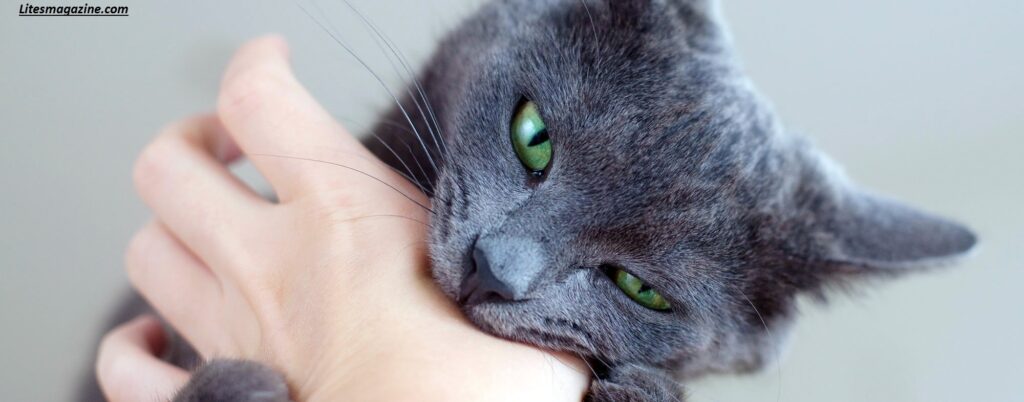
Attention-Seeking
Sometimes biting is your cat’s way of saying, “Hey, pay attention to me!”
If your cat bites then licks you, she may be trying to:
- Get your focus
- Initiate play
- Ask for food
Cats quickly learn what gets a reaction. If biting works, they’ll repeat it.
This explains why some owners experience frequent, seemingly random bites—it’s learned behavior.
Control/Dominance
Cats like control. If your cat bites during petting, she may be setting boundaries.
She’s basically saying:
- “That’s enough”
- “Don’t touch me there”
- “I’m done now”
This is not true dominance in a strict sense, but rather communication. Respecting your cat’s limits helps build trust and reduces biting over time.
Signs Your Cat Is About to Bite
Before a bite happens, your cat almost always gives signals. Recognizing these warning signs can prevent most biting incidents.
Key signals include:
- Tail flicking or thumping
- Ears turning backward
- Sudden body stiffness
- Dilated pupils
- Skin twitching
- Low growl or silence
These are all part of cat body language. Cats rarely bite “out of nowhere”—we just miss the signs.
For example:
- During cat biting while purring, the purring doesn’t always mean happiness—it can also signal overstimulation.
- If you notice your cat becoming tense, stop petting immediately.
Learning these cues answers questions like:
- why does my cat bite me randomly
- why does my cat attack my hand
Because in reality—it’s not random at all
Is It Normal or Aggressive?
Many cat owners worry: Is this normal, or is my cat aggressive?
The answer depends on context.
Normal Behavior
- Gentle cat nipping behavior
- Playful bites
- Love bites
- Biting with no injury
Aggressive Behavior
- Hard bites that break skin
- Hissing or growling
- Repeated attacks without warning
- Fear-based reactions
Most cases of petting aggression are completely normal. Your cat isn’t being “bad”—she’s communicating.
However, if the behavior escalates or becomes unpredictable, it may require intervention.
Understanding this difference helps you respond correctly instead of punishing your cat (which can worsen anxiety and aggression).
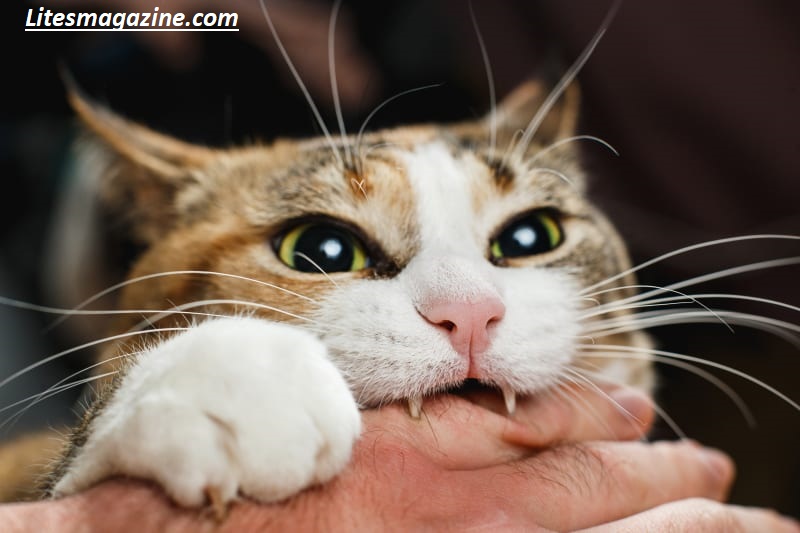
How to Stop Your Cat From Biting
If you’re searching for how to stop cat biting, the good news is: it’s absolutely possible.
Here’s what works best:
1. Learn Your Cat’s Limits
Stop petting before overstimulation begins. Watch for early warning signs.
2. Use Toys Instead of Hands
Avoid teaching your cat that hands are play objects. This reduces why does my cat attack my hand behavior.
3. Redirect, Don’t Punish
If your cat bites, calmly stop interaction. Never yell or hit—this increases fear.
4. Reward Good Behavior
When your cat enjoys petting without biting, reward her with treats or praise.
5. Create a Routine
Structured playtime reduces attention-seeking biting.
6. Avoid Sensitive Areas
Many cats dislike belly or tail touches.
Consistency is key. Over time, your cat will learn better ways to communicate.
When to See a Vet
Sometimes biting isn’t behavioral—it’s medical.
Consult a vet if:
- Biting starts suddenly
- Your cat shows signs of pain
- Behavior becomes extreme or unpredictable
- There are other symptoms (lethargy, appetite changes)
Pain-related aggression should never be ignored.
FAQ’s
Why does my cat bite me randomly?
It’s usually not random—your cat is reacting to overstimulation, play, or missed warning signs.
Why does my cat bite then lick me?
This is often affection mixed with instinct, known as love bites.
Why does my cat bite while purring?
Purring doesn’t always mean happiness—it can signal overstimulation in cats.
Why does my cat attack my hand?
Your cat may see your hand as prey due to learned play behavior.
How to stop cat biting completely?
Use toys, recognize triggers, and respect your cat’s boundaries.
Conclusion
So, why does my cat bite me when I pet her? The answer lies in understanding your cat—not blaming her.
Whether it’s petting aggression, love bites, or cat nipping behavior, every bite has meaning. Your cat is communicating through instinct, emotion, and physical sensitivity.
The biggest mistake owners make is assuming the behavior is random or aggressive. In reality, it’s often predictable—and preventable.
By learning cat body language, recognizing warning signs, and adjusting how you interact, you can dramatically reduce biting.
Most importantly, remember this:
Your cat isn’t trying to hurt you—she’s trying to be understood.
Once you learn her language, everything changes.