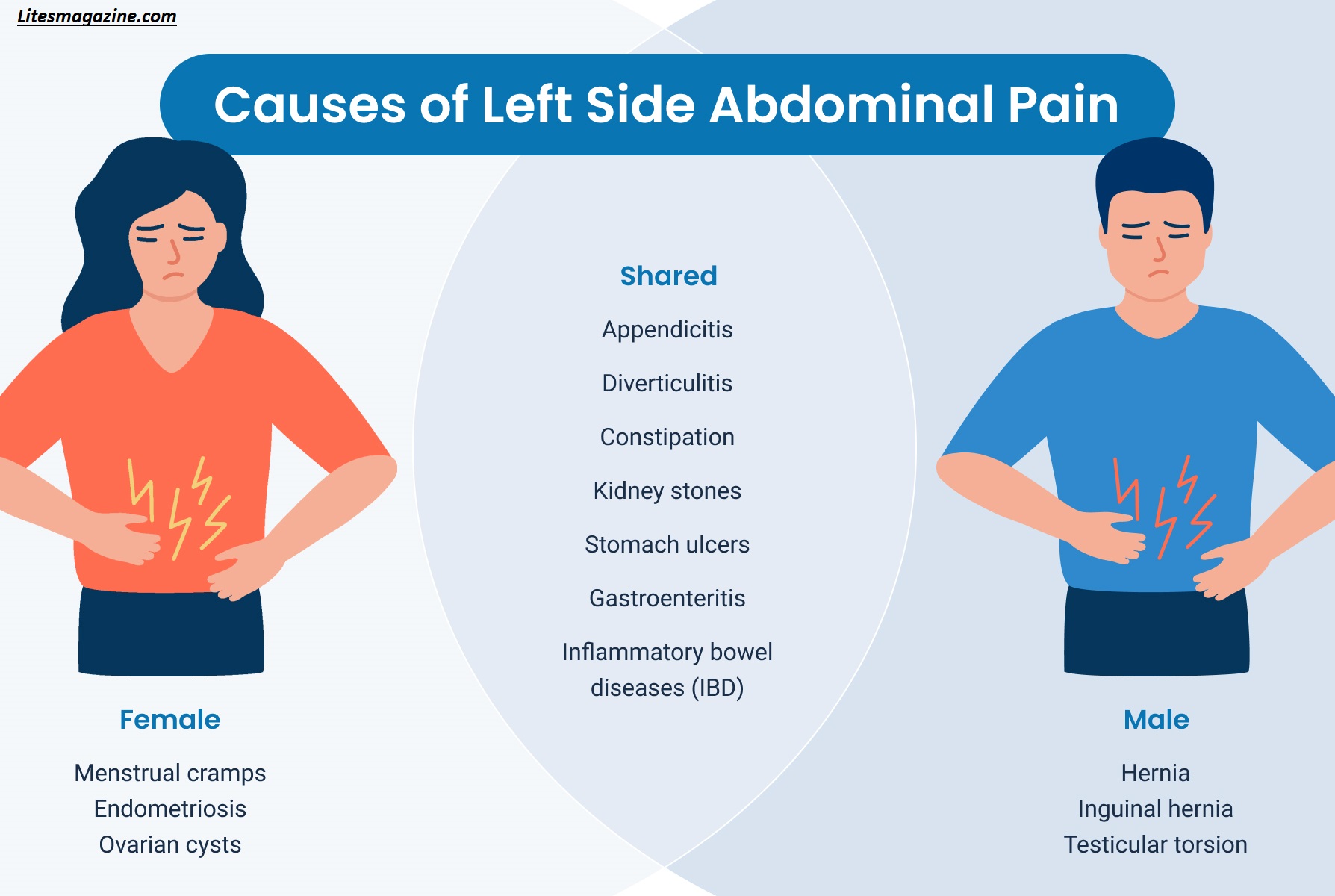
Why Does My Left Side Hurt? the discomfort can come from several organs or structures located on the left side of your body.
These include the stomach, spleen, pancreas, kidney, colon, lung, and heart. Pain may also come from muscles, nerves, or digestive issues.
The location and type of pain can give clues about the cause. For example, upper left abdominal pain might be linked to the stomach or pancreas, while lower left abdominal pain may be related to the colon or digestive tract.
Similarly, sharp pain on the left side could indicate kidney stones or muscle strain, while dull pain on the left side may result from digestive problems or inflammation.
Understanding the possible causes of left abdominal pain, pain under the left ribs, or pain in the left flank can help you decide when to seek medical care.
This guide explains 15 possible causes of left side pain, symptoms to watch for, diagnosis, treatment options, and prevention tips.
Table of Contents
Quick Table
| Cause | Pain Location | Common Symptoms |
|---|---|---|
| Gas and digestion problems | Lower or upper abdomen | Bloating, cramps |
| Muscle strain | Side or back | Pain when moving |
| Kidney stones | Left flank or lower back | Sharp pain, nausea |
| Kidney infection | Left flank | Fever, burning urination |
| Pancreatitis | Upper left abdomen | Severe abdominal pain |
| Diverticulitis | Lower left abdomen | Fever, digestive issues |
| Heart problems | Chest or upper left side | Chest pressure, shortness of breath |
| Spleen problems | Under left ribs | Tenderness |
| IBS | Lower abdomen | Bloating, irregular bowel movements |
| Ovarian cyst | Lower abdomen | Pelvic pain |
| Ectopic pregnancy | Lower abdomen | Severe pelvic pain |
| Testicular torsion | Groin area | Sudden severe pain |
| Lung problems | Upper chest | Pain when breathing |
| Nerve compression | Side or back | Tingling, burning pain |
| Injury | Anywhere on left side | Bruising, swelling |
Where Is Left Side Pain Located?
The left side of the body contains several important organs and structures that can cause pain when irritated, inflamed, or injured. Understanding the exact location of left side pain can help identify possible causes.
The upper left abdominal area, just under the ribs, contains organs such as the stomach, spleen, pancreas, and part of the colon.
Pain in this area may feel like sharp pain under the left ribs or dull pain in the upper abdomen. Conditions like pancreatitis, spleen problems, or stomach irritation can cause discomfort here.
The lower left abdominal region contains the descending colon and part of the digestive system. Pain in this region may indicate diverticulitis, IBS, or digestive issues. Many people experience lower left abdominal pain along with bloating or changes in bowel habits.
Pain in the left flank, which is the side area between the ribs and hip, is often linked to the kidney. Kidney stones or kidney infections can cause severe pain in this region that may spread to the lower abdomen or back.
Some people feel left side body pain in the chest area. This could be related to the heart or lung, especially if the pain occurs with breathing or physical activity.
Identifying whether the pain is sharp, dull, constant, or sudden can help doctors determine the underlying cause.
15 Causes of Left Side Pain
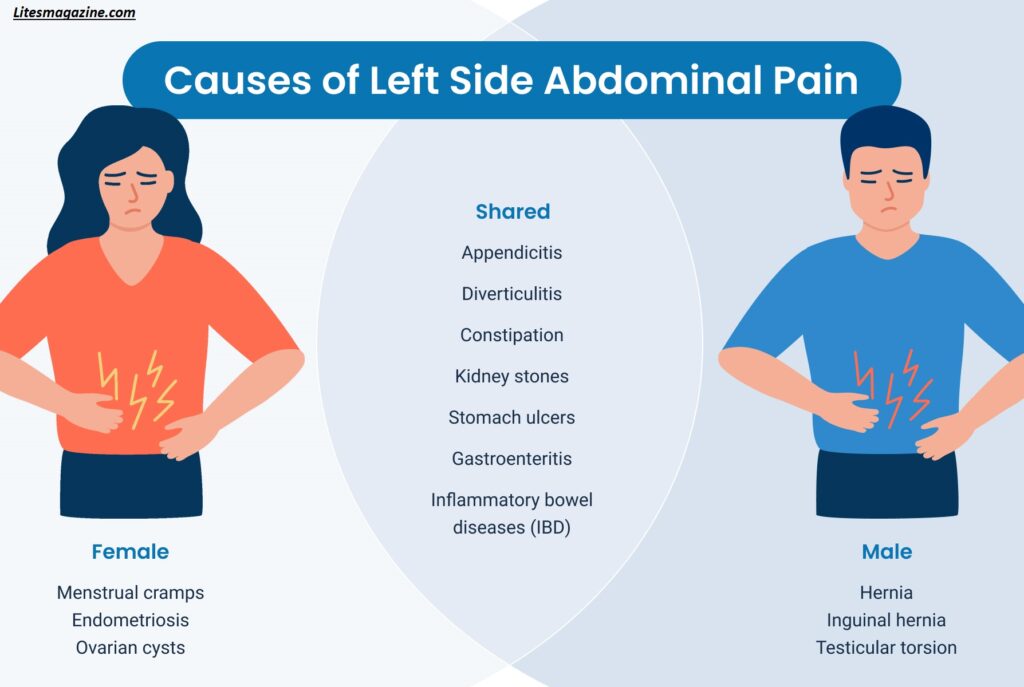
There are many reasons someone might experience pain in the left side of the abdomen or surrounding areas. These causes range from mild digestive problems to more serious medical conditions involving organs like the kidney, spleen, pancreas, colon, heart, or lung.
One of the most common causes of left abdominal pain is gas and digestive problems. Gas buildup in the intestines can create cramping or pressure on the left side. Similarly, irritable bowel syndrome (IBS) can cause lower left abdominal pain along with bloating and bowel changes.
Kidney-related conditions are another common source of left flank pain. Kidney stones can cause sudden sharp pain on the left side, while a kidney infection may cause fever, nausea, and pain near the back or flank.
Inflammation in digestive organs can also lead to discomfort. Pancreatitis causes severe upper left abdominal pain, while diverticulitis affects the colon and causes lower left side pain.
Other possible causes include muscle strain, nerve compression, spleen enlargement, ovarian cysts, ectopic pregnancy, lung problems, testicular torsion, heart conditions, and injuries.
Because so many organs are located on the left side, identifying the exact cause often requires medical evaluation.
Gas and digestion problems
Gas buildup in the digestive system is one of the most common reasons people experience left side pain.
The intestines produce gas during digestion, and when gas becomes trapped in the colon, it can cause pain in the left side of the abdomen, bloating, and cramps. This discomfort may feel like dull pain on the left side or pressure under the ribs.
Foods that are difficult to digest, such as beans, carbonated drinks, or high-fiber foods, can increase gas production. Digestive issues like indigestion or slow digestion may also cause upper left abdominal pain.
In most cases, gas pain improves after passing gas or having a bowel movement.
Muscle strain
A muscle strain occurs when muscles or ligaments in the abdomen or side are overstretched or torn. This can happen due to heavy lifting, sudden movements, exercise, or poor posture.
When muscles on the left side are strained, people may feel sharp pain on the left side or soreness when moving, twisting, or breathing.
Unlike organ-related pain, muscle strain often worsens with physical activity and improves with rest. The affected area may feel tender when touched.
Applying ice, resting, and avoiding strenuous activity can help relieve symptoms. Most mild muscle strains heal within a few days to weeks.
Kidney stones
Kidney stones are hard mineral deposits that form inside the kidney. When these stones move through the urinary tract, they can cause severe left flank pain that may spread to the abdomen or groin. Many people describe this as sharp pain in the left side that comes in waves.
Other symptoms include nausea, vomiting, painful urination, and blood in the urine. Kidney stones are a common cause of pain in the left side of the abdomen and lower back.
Drinking plenty of water can sometimes help pass small stones, but larger stones may require medical treatment.
Kidney infection
A kidney infection occurs when bacteria spread to the kidney, usually from the urinary tract. This condition can cause pain in the left flank, fever, chills, and burning during urination.
The pain may feel like a deep ache in the back or side and can sometimes spread to the lower left abdominal area.
Kidney infections are more serious than simple urinary tract infections and require medical treatment with antibiotics. If untreated, the infection can spread to the bloodstream.
Anyone experiencing left side body pain with fever and urinary symptoms should seek medical care promptly.
Pancreatitis
Pancreatitis is inflammation of the pancreas, an organ located behind the stomach in the upper left abdomen. This condition often causes severe upper left abdominal pain that may spread to the back.
The pain can worsen after eating and may be accompanied by nausea, vomiting, and fever.
Common causes include gallstones, alcohol use, and certain medications. The discomfort may feel like constant pressure or burning in the left side of the stomach area.
Pancreatitis can range from mild to life-threatening, so medical evaluation is important if symptoms are severe or persistent.
Diverticulitis
Diverticulitis occurs when small pouches in the colon become inflamed or infected. This condition often causes lower left abdominal pain, which may be sharp or persistent. People with diverticulitis may also experience fever, nausea, constipation, or diarrhea.
The pain is usually located in the lower left side of the abdomen, making it a common cause of left abdominal pain in adults. Risk factors include aging, low-fiber diets, and lack of physical activity.
Treatment may include antibiotics, dietary changes, and rest. Severe cases may require hospitalization or surgery.
Heart problems
In some cases, left side pain may be linked to heart problems, including a heart attack. Pain from the heart often appears in the chest but can spread to the left side of the body, arm, or shoulder. People may also feel pressure, tightness, or discomfort under the left ribs.
Other symptoms include shortness of breath, sweating, nausea, and dizziness. Heart-related pain is usually not limited to the abdomen and may feel like a squeezing sensation.
Because heart conditions can be life-threatening, sudden left chest pain should always be evaluated by a medical professional immediately.
Spleen problems
The spleen is located under the left rib cage and plays an important role in the immune system. When the spleen becomes enlarged or injured, it can cause pain under the left ribs or tenderness in the upper left abdomen.
Spleen problems may occur due to infections, liver disease, blood disorders, or trauma. In some cases, a ruptured spleen can cause sudden severe pain and internal bleeding.
People may also feel fullness or discomfort when taking deep breaths. Any persistent upper left abdominal pain near the ribs should be checked by a doctor.
IBS
Irritable Bowel Syndrome (IBS) is a digestive disorder that affects the colon. It commonly causes lower left abdominal pain, bloating, gas, and changes in bowel habits such as diarrhea or constipation. The pain may feel like cramping or dull pain on the left side.
IBS symptoms often worsen after eating certain foods or during periods of stress. While IBS does not damage the digestive tract, it can significantly affect quality of life.
Managing diet, reducing stress, and taking prescribed medications can help control symptoms and reduce left abdominal pain episodes.
Ovarian cyst
An ovarian cyst is a fluid-filled sac that develops on the ovary. Women with a cyst on the left ovary may experience lower left abdominal pain or pelvic discomfort. The pain can be sharp or dull and may worsen during menstruation or physical activity.
Many ovarian cysts are harmless and disappear on their own, but larger cysts may cause bloating, pressure, or sudden severe pain if they rupture.
Because ovarian cysts affect reproductive organs, women experiencing persistent pain in the left side of the abdomen should consult a healthcare provider for evaluation.
Ectopic pregnancy
An ectopic pregnancy occurs when a fertilized egg implants outside the uterus, often in a fallopian tube. This condition can cause severe lower left abdominal pain if the pregnancy develops on the left side.
Symptoms may include pelvic pain, vaginal bleeding, dizziness, and shoulder pain. An ectopic pregnancy is a medical emergency because it can lead to internal bleeding.
Early diagnosis is crucial to prevent complications. Any pregnant woman experiencing sudden left side abdominal pain should seek immediate medical attention.
Testicular torsion
Testicular torsion occurs when the spermatic cord twists, cutting off blood supply to the testicle. Although the pain originates in the groin, it may spread to the lower abdomen or left side of the body.
This condition usually causes sudden, severe pain, swelling, nausea, and vomiting. Testicular torsion requires immediate medical treatment to prevent permanent damage.
Surgery is often needed to restore blood flow. Men experiencing sudden left side body pain combined with groin pain should seek emergency medical care.
Lung problems
Conditions affecting the lung, such as pneumonia, pleurisy, or collapsed lung, can cause pain on the left side of the chest. This discomfort may worsen when breathing deeply, coughing, or moving.
People with lung problems may also experience shortness of breath, fever, or persistent cough. Because the lungs sit near the ribs, the pain may feel like pain under the left ribs or upper left side pain.
Lung infections and inflammation often require medical evaluation and treatment with antibiotics or other medications.
Nerve compression
Nerve compression occurs when nerves along the spine or ribs become irritated or pinched. This can cause sharp pain on the left side, tingling, or burning sensations along the rib cage or back.
Conditions such as herniated discs, spinal problems, or nerve inflammation can lead to left side body pain that radiates around the torso.
The discomfort may worsen with movement or certain positions. Physical therapy, stretching, and anti-inflammatory medications are often used to relieve nerve-related pain.
Injury
Physical injuries, such as falls, sports accidents, or car accidents, can damage muscles, ribs, or internal organs on the left side of the body. This may cause pain in the left side of the abdomen, bruising, swelling, or tenderness.
Rib fractures or internal injuries can cause pain under the left ribs, especially when breathing or coughing. Mild injuries may heal with rest and pain management, but severe trauma requires medical attention.
If pain appears suddenly after an accident or is accompanied by difficulty breathing, immediate medical care is recommended.
Symptoms That Need Immediate Care
While many causes of left side pain are mild, some symptoms require urgent medical attention. Recognizing these warning signs can help prevent serious complications.
Seek emergency care if left side pain occurs with chest pressure, shortness of breath, dizziness, or sweating, as these symptoms may indicate a heart attack or serious heart condition.
Sudden severe upper left abdominal pain that spreads to the back may signal pancreatitis.
Persistent left flank pain with fever, chills, or painful urination may suggest a kidney infection. Similarly, intense pain that comes in waves and radiates toward the groin could be caused by kidney stones.
Women experiencing severe lower left abdominal pain during pregnancy should seek immediate care because it could be an ectopic pregnancy.
Men with sudden groin pain and abdominal discomfort may have testicular torsion, which requires urgent treatment.
Other warning signs include vomiting blood, severe abdominal swelling, high fever, fainting, or inability to pass urine or stool. These symptoms may indicate serious digestive, kidney, or internal organ problems.
If left side body pain is severe, sudden, or worsening, it is always best to seek medical evaluation.
Diagnosis
Diagnosing the cause of left side pain often requires a combination of medical history, physical examination, and diagnostic tests. Because several organs are located in the left side of the abdomen, doctors must evaluate symptoms carefully.
A healthcare provider will first ask about the location, intensity, and type of pain.
They may ask whether the pain is sharp, dull, constant, or sudden, and whether it spreads to the back, chest, or groin. Information about digestive symptoms, urinary problems, or recent injuries can also help narrow down the cause.
Doctors may perform a physical examination by gently pressing on the abdomen to check for tenderness. Blood tests may be used to detect infection, inflammation, or organ problems involving the kidney, pancreas, or spleen.
Imaging tests are often used to confirm a diagnosis. These may include ultrasound, CT scans, MRI scans, or X-rays.
For example, CT scans can detect kidney stones, diverticulitis, or pancreatitis, while ultrasound is often used to evaluate ovarian cysts or reproductive organs.
In some cases, additional tests such as urine analysis, stool tests, or endoscopy may be required to evaluate digestive issues.
Treatment Options
Treatment for left side pain depends on the underlying cause. Because the pain can originate from different organs such as the kidney, pancreas, colon, stomach, spleen, or lung, treatment approaches vary widely.
For mild digestive issues such as gas, indigestion, or IBS, doctors often recommend dietary changes, increased fiber intake, and medications that relieve bloating or cramps. Staying hydrated and avoiding trigger foods may reduce symptoms.
When kidney stones are small, drinking plenty of water may help them pass naturally. Larger stones may require medications or medical procedures. Kidney infections are typically treated with antibiotics.
Inflammatory conditions like pancreatitis or diverticulitis may require hospital care, pain management, and specialized treatment. In severe cases, surgery may be needed.
For muscle strain or injury, rest, ice packs, and anti-inflammatory medications often help relieve left side body pain. Physical therapy may be recommended for nerve compression or musculoskeletal issues.
Serious conditions involving the heart, lung, or internal bleeding require emergency medical care.
Proper diagnosis is essential to determine the safest and most effective treatment plan.
Prevention Tips
While not all causes of left side pain can be prevented, certain lifestyle habits can reduce the risk of developing digestive, kidney, or muscular problems.
Maintaining a healthy diet is one of the most effective ways to support digestive health. Eating foods rich in fiber, fruits, and vegetables helps prevent constipation and reduces the risk of diverticulitis.
Drinking enough water also supports kidney health and lowers the risk of kidney stones.
Regular physical activity can strengthen muscles and improve posture, reducing the likelihood of muscle strain or nerve compression. Gentle stretching before exercise can also protect muscles along the side and back.
Limiting alcohol consumption may help protect the pancreas and reduce the risk of pancreatitis. Avoiding smoking supports heart and lung health.
Managing stress is also important because stress can trigger digestive disorders like IBS, which may cause lower left abdominal pain and bloating.
Finally, routine medical checkups can help detect potential health issues early. If left abdominal pain occurs frequently or becomes severe, consulting a healthcare professional is the best way to prevent complications.

FAQs
Why does my left side hurt when I breathe?
Pain when breathing may be related to lung conditions, muscle strain, or rib injuries.
Why does my left side hurt under my ribs?
Pain under the left ribs may involve the spleen, stomach, pancreas, or digestive issues.
Why does my left side hurt suddenly?
Sudden pain could be caused by kidney stones, injury, or severe digestive problems.
Can gas cause left side pain?
Yes. Gas buildup in the intestines can cause left abdominal pain and bloating.
When should I see a doctor for left side pain?
If pain is severe, persistent, or occurs with fever, chest pain, or vomiting.
Conclusion
Experiencing left side pain can be concerning, especially when the cause is unclear.
Because several organs are located on the left side of the body—including the stomach, spleen, pancreas, kidney, colon, lung, and heart—pain in this area can have many possible explanations.
Some causes of pain in the left side of the abdomen are mild and temporary. Digestive issues such as gas, bloating, or IBS often cause dull pain on the left side that improves with diet changes or rest.
Muscular problems like muscle strain or minor injuries can also lead to discomfort but usually heal with time.
However, other causes may be more serious. Conditions such as kidney stones, pancreatitis, diverticulitis, ovarian cysts, or heart problems can produce severe sharp pain on the left side and require medical evaluation.
Understanding the location of the pain—whether it is upper left abdominal pain, lower left abdominal pain, or left flank pain—can help identify possible causes.
If left side body pain is persistent, severe, or accompanied by symptoms like fever, chest pain, or vomiting, seeking medical care is essential. Early diagnosis and proper treatment can help prevent complications and improve overall health.