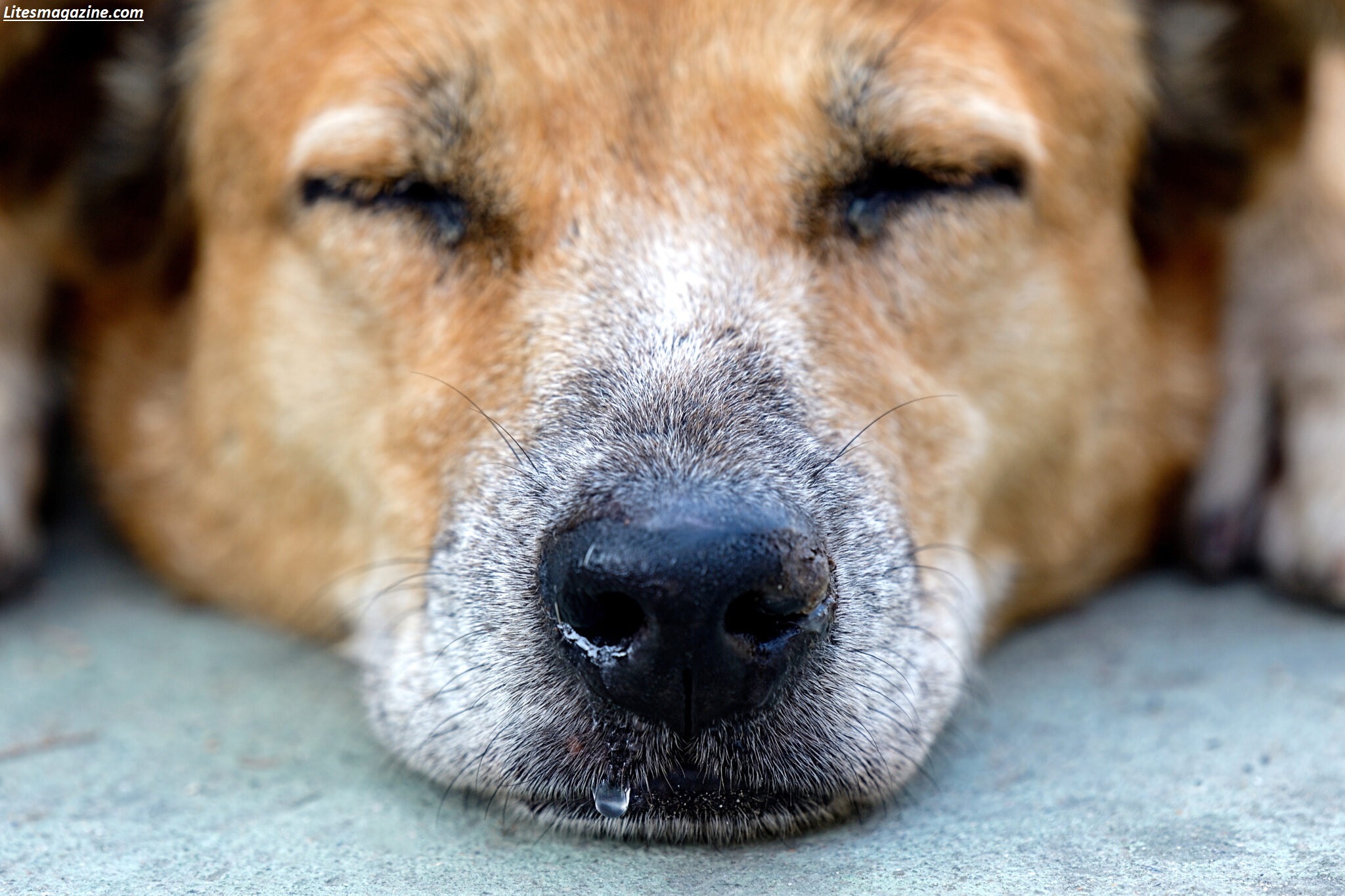
Why Is My Dog Nose Running? A dog’s runny nose can happen for many reasons, ranging from mild to serious.
Allergies are a common cause, triggered by pollen, dust, or certain foods. Infections, including bacterial or viral ones like kennel cough, can also cause nasal discharge.
Foreign objects stuck in the nasal passages may irritate the nose and lead to mucus. Environmental factors, such as cold weather or dry air, can make the nose watery.
Less commonly, dental problems or nasal tumors can be responsible. If the discharge is persistent, colored, or accompanied by sneezing, coughing, or lethargy, a veterinarian should examine your dog promptly.
Table of Contents
Quick Table
| Cause | Type of Discharge | Other Symptoms | Severity | What to Do |
|---|---|---|---|---|
| Allergies (dogs) | Clear, watery | Sneezing, itching | Mild | Monitor, remove allergens |
| Respiratory infection | Thick, yellow/green | Coughing, fever | Moderate | Vet visit |
| Foreign object in nose | One-sided discharge | Sneezing, pawing nose | Moderate | Immediate vet check |
| Dental disease | Smelly discharge | Bad breath, swelling | Serious | Vet treatment |
| Fungal infection | Bloody or thick | Lethargy, swelling | Serious | Urgent care |
| Kennel cough | Clear discharge | Dry cough | Mild–Moderate | Isolation + vet |
| Nasal tumor | Bloody discharge | Weight loss | Severe | Urgent vet diagnosis |
Is a Runny Nose in Dogs Normal?
Yes — in some cases, a dog’s runny nose is completely normal.
Dogs naturally produce a small amount of clear nasal discharge to keep their nose moist.
A cool, slightly wet nose is actually a sign of good health. However, if your dog’s nose is constantly dripping or producing thick mucus, it may indicate a problem.
Normal vs Abnormal Nasal Discharge
- Normal: clear, watery, occasional
- Abnormal: thick, colored, smelly, or excessive
If your dog also shows symptoms like sneezing, coughing, or lethargy, it’s time to pay closer attention.
Key takeaway: A little moisture is fine, but persistent or colored discharge is not.
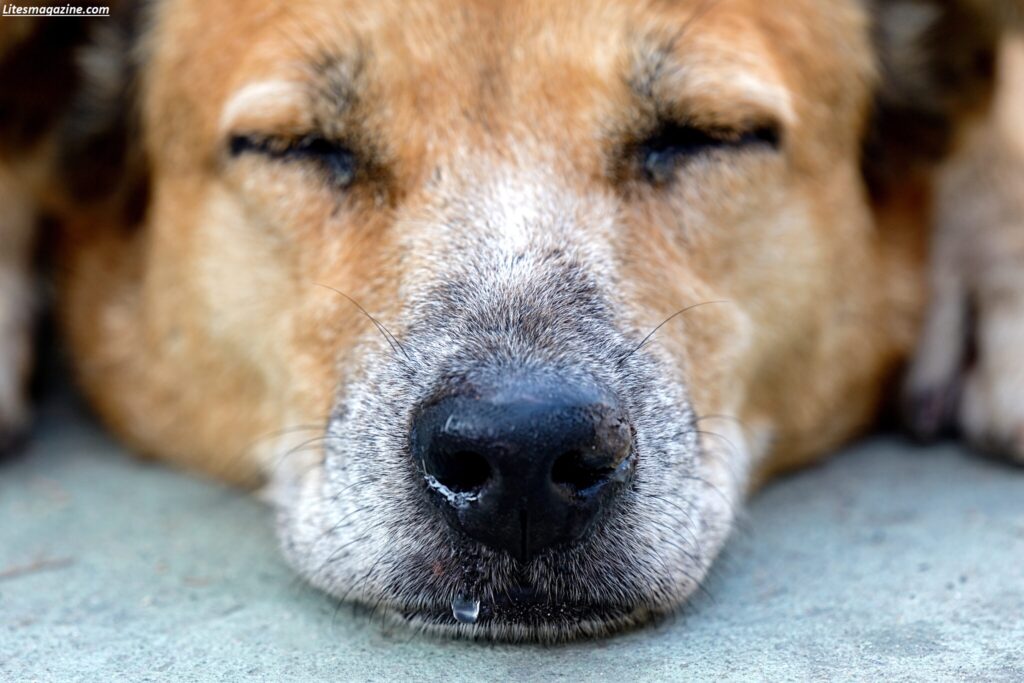
5 Common Causes of a Dog’s Runny Nose
Allergies
Just like humans, dogs can suffer from allergies caused by pollen, dust, mold, or food. Allergies often lead to clear nasal discharge, frequent sneezing, and itchy skin. Seasonal allergies are especially common and may worsen during certain times of the year.
Dogs with allergies may also rub their nose or eyes and show mild swelling. The discharge is usually thin and watery rather than thick or colored. While allergies are not life-threatening, they can make your dog uncomfortable.
Managing environmental triggers and keeping your dog’s living area clean can help reduce symptoms. In more severe cases, a vet may recommend antihistamines or allergy treatments.
Infection
A respiratory infection is one of the most common reasons for a dog’s runny nose. These infections can be viral, bacterial, or fungal and often cause thick nasal discharge that may appear yellow or green.
Conditions like kennel cough can also cause coughing, sneezing, and nasal discharge. Dogs with infections may seem tired, lose appetite, or develop a fever.
Unlike allergies, infections tend to worsen over time and require treatment. If your dog’s symptoms last more than a few days, a vet visit is essential.
Early treatment can prevent complications and help your dog recover faster.
Foreign Object in Nose
Dogs love to sniff everything, which sometimes leads to a foreign object in the nose—like grass seeds, dirt, or small debris.
This can cause sudden, one-sided nasal discharge, along with intense sneezing and pawing at the nose. In some cases, the discharge may contain blood.
This situation requires immediate attention because the object can cause irritation or infection if left untreated.
If you suspect something is stuck in your dog’s nose, do not try to remove it yourself. A vet has the proper tools to safely handle it.
Dental Issues
Surprisingly, dental disease is a common cause of a dog’s runny nose. Infections in the upper teeth can spread to the sinuses, leading to nasal discharge, often from one nostril.
Signs include:
- Bad breath
- Swollen gums
- Difficulty eating
This type of discharge may have a foul odor and can become chronic if untreated.
Dental hygiene plays a huge role in preventing this issue. Regular brushing and professional cleanings can reduce the risk significantly.
Breed-Related Issues
Some dog breeds are naturally more prone to nasal problems. Flat-faced breeds like Bulldogs or Pugs often have narrow nasal passages, making them more likely to develop nasal discharge.
These dogs may have chronic mild symptoms, including snoring, breathing difficulties, and occasional runny noses.
While mild discharge may be normal for these breeds, sudden changes—like thick or colored mucus—should not be ignored.
Understanding your dog’s breed-specific risks helps you recognize what’s normal and what’s not.
Types of Nasal Discharge
Understanding the type of nasal discharge is one of the best ways to identify the cause of your dog’s runny nose.
| Discharge Type | Meaning |
|---|---|
| Clear | Normal or allergies |
| White | Mild infection or irritation |
| Yellow/Green | Bacterial infection |
| Bloody | Injury, fungal infection, or nasal tumor |
| Thick mucus | Advanced infection |
Clear vs Colored Discharge
- Clear discharge is usually harmless and linked to allergies or environmental factors.
- Colored discharge (yellow, green, or bloody) often signals infection or a more serious condition.
For example:
- Fungal infection may cause thick, persistent discharge with swelling.
- A nasal tumor may lead to bloody discharge and breathing difficulty.
Pay attention to consistency, color, and smell. These clues can help your vet diagnose the issue quickly.
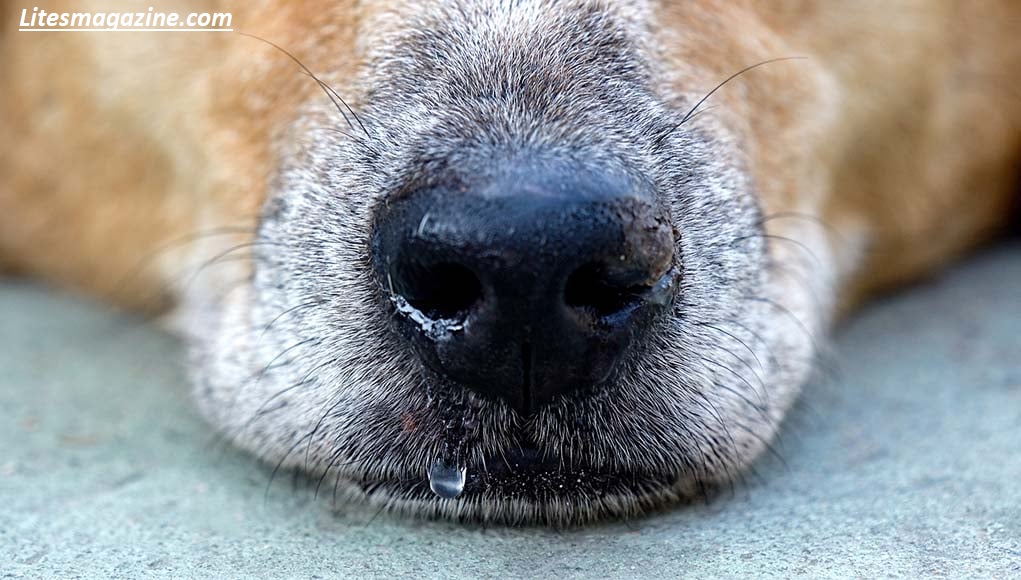
Symptoms That Mean It’s Serious
A simple runny nose can turn serious if accompanied by other symptoms. Watch closely for:
- Persistent sneezing and coughing
- Thick or foul-smelling nasal discharge
- Loss of appetite
- Fever
- Lethargy
- Difficulty breathing
- Swelling around the nose or eyes
These symptoms may indicate:
- Severe respiratory infection
- Fungal infection
- Advanced dental disease
- Even a nasal tumor
If your dog’s condition worsens or doesn’t improve within a few days, it’s important to take action.
When Should You See a Vet?
You should consult a vet if your dog’s runny nose:
- Lasts more than 3–5 days
- Produces colored or bloody discharge
- Is accompanied by coughing or sneezing
- Causes breathing difficulty
- Affects eating or behavior
A vet may perform:
- Physical examination
- Nasal swab
- X-rays
- Blood tests
Early diagnosis is key, especially for serious conditions like fungal infections or nasal tumors.
Rule of thumb: If something feels off, trust your instincts and seek professional help.
How to Treat a Dog’s Runny Nose
Treatment depends on the cause of the nasal discharge.
Home Care
- Keep your dog hydrated
- Clean the nose gently
- Use a humidifier
- Avoid allergens
Medical Treatment
- Antibiotics for bacterial infections
- Antifungal meds for fungal infection
- Antihistamines for allergies
- Dental treatment for dental disease
Never give human medication without consulting a vet.
FAQs
Why is my dog’s nose dripping clear liquid?
This is usually normal or caused by allergies.
Can dogs get colds?
Yes, dogs can develop mild respiratory infections similar to colds.
Should I worry about yellow nasal discharge?
Yes, it may indicate infection and needs vet attention.
Can a runny nose be a sign of kennel cough?
Yes, especially if paired with coughing.
Is a wet nose always healthy?
Generally yes, but excessive discharge is not normal.
Conclusion
A dog’s runny nose can be harmless—or a sign of something more serious. The key is understanding the difference between normal nasal discharge and warning signs.
While clear discharge may simply mean allergies or environmental irritation, colored or thick discharge can point to infections, dental disease, or even more severe conditions like a nasal tumor or fungal infection.
By paying attention to symptoms like sneezing, coughing, and changes in behavior, you can catch potential health problems early. Regular checkups, proper hygiene, and awareness of your dog’s habits go a long way in keeping them healthy.
When in doubt, always consult a vet. It’s better to be safe than risk your dog’s well-being