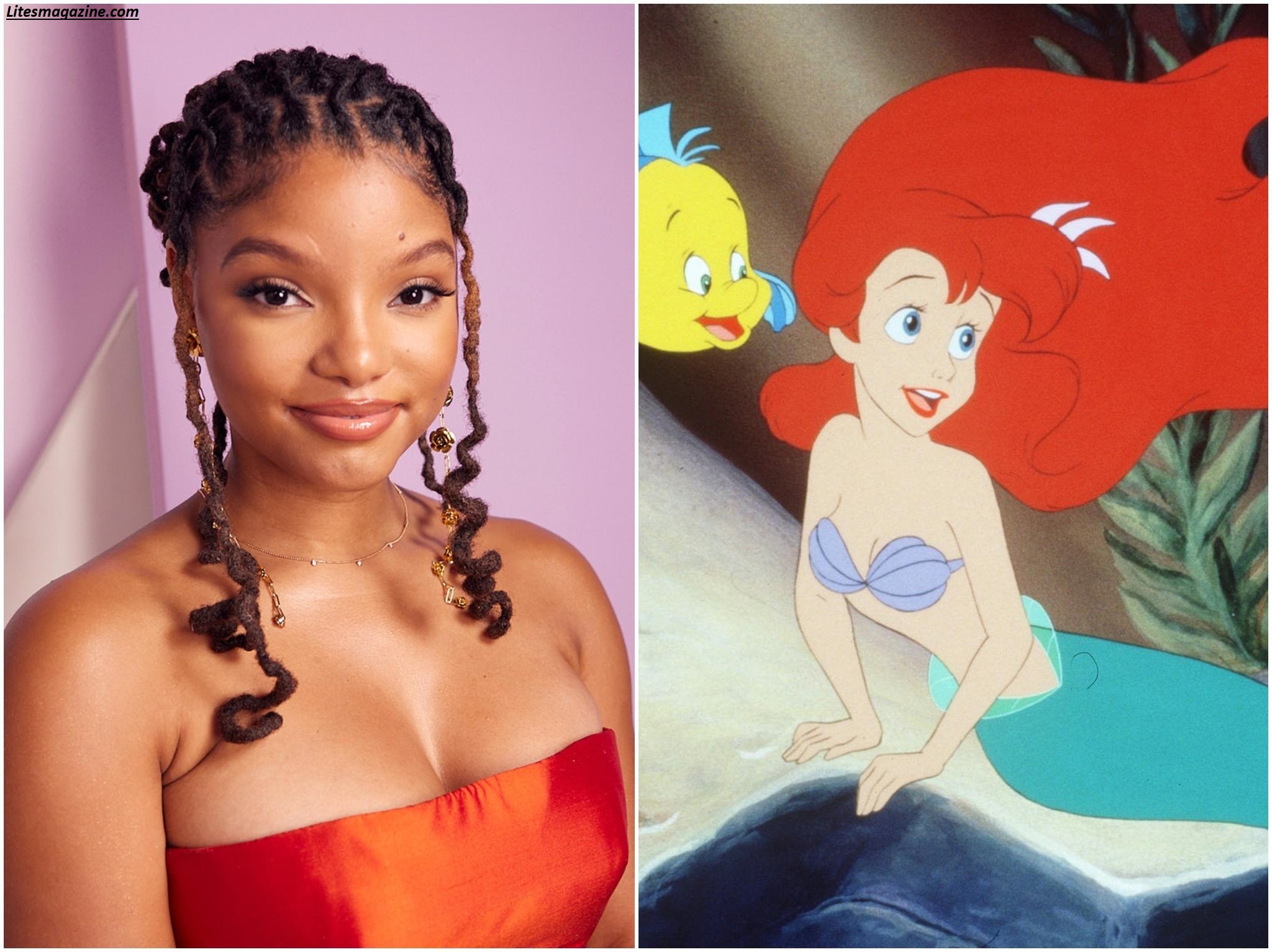
Why Is The Little Mermaid Black? The casting of a Black actress as Ariel in the live-action adaptation of The Little Mermaid sparked widespread discussion online.
When Halle Bailey was announced as the new Ariel, many fans asked a simple question: why is the Little Mermaid Black now?
The answer involves several factors, including creative decisions by The Walt Disney Company, the evolution of storytelling, and a broader push for representation in media.
The new film is a live-action remake of the classic The Little Mermaid, which originally featured Ariel as a red-haired white mermaid.
However, the character itself comes from a much older story written by Hans Christian Andersen, and that fairy tale never specified a race for the character.
Because of this, modern filmmakers have flexibility in casting and interpretation.
This article explains the real reason behind the casting choice, explores the history of the story, and examines why the decision created such a race controversy online.
You’ll also learn about Disney’s response, the importance of racial representation, and how this decision may influence future Disney princess films.
Table of Contents
Quick Table
| Topic | Key Information |
|---|---|
| Movie | The Little Mermaid |
| Studio | The Walt Disney Company |
| Ariel Actress | Halle Bailey |
| Original Film | The Little Mermaid |
| Original Author | Hans Christian Andersen |
| Main Debate | Diversity, representation in media |
| Type of Film | Live-action remake |
| Main Topic | Casting choice and racial representation |
Who Is the New Little Mermaid
The new Little Mermaid is Ariel, the same curious mermaid princess fans remember from the classic animated film. In the 2023 live-action remake, Ariel is portrayed by Halle Bailey, bringing a fresh interpretation of the beloved character.
Ariel is still the adventurous Disney princess who dreams of exploring the human world. She lives under the sea with her father, King Triton, and longs to experience life on land.
The character’s personality, dreams, and story remain largely the same as in the original animated movie.
The main difference is the casting choice. Instead of recreating the exact appearance from the animated version, the filmmakers focused on choosing the best performer for the role.
This approach is common in modern live-action remakes, where directors aim to reinterpret classic stories for a new generation.
In this remake, Ariel continues to symbolize curiosity, bravery, and independence. Her journey includes meeting humans, making difficult choices, and discovering her identity.
The film keeps the emotional heart of the story while updating certain elements to reflect modern storytelling values.
The new portrayal also contributes to diversity in Hollywood, as it introduces a version of the character that many audiences had never seen before.

Who Plays Ariel in the 2023 Movie
The actress who plays Ariel in The Little Mermaid is Halle Bailey. Before starring in the film, she was known for her musical career as part of the duo Chloe x Halle.
Bailey’s casting was announced by The Walt Disney Company, and the decision quickly gained global attention. any people praised her talent, voice, and acting ability, while others focused on the fact that she looked different from the animated version of Ariel.
Disney explained that the casting process focused on finding someone who could bring Ariel’s personality to life. Bailey’s strong singing ability was particularly important because the movie includes famous songs from the original animated movie, along with new music.
The role of Ariel requires a combination of acting, singing, and emotional depth. Directors believed Bailey captured these qualities perfectly. Her performance added a new dimension to the character while staying true to Ariel’s adventurous spirit.
The casting decision also reflects a broader trend in Hollywood. Many studios now prioritize representation in media and want their films to reflect diverse audiences around the world.
As a result, Bailey became one of the most talked-about Disney princess actresses in recent years.
Why Disney Cast a Black Ariel
The main reason Disney cast a Black Ariel was to choose the best performer for the role. During the casting process, filmmakers considered many actors before selecting Halle Bailey.
According to interviews with the film’s creators, Bailey impressed the team with her singing voice, acting talent, and ability to portray Ariel’s curiosity and emotional depth.
This casting choice was based primarily on performance rather than appearance.
Another factor is the ongoing push for diversity in Hollywood. Film studios increasingly want their stories to represent audiences from different backgrounds. Casting Bailey allowed the movie to include stronger racial representation, which many viewers appreciate.
The decision also aligns with modern filmmaking trends. When studios create a live-action remake, they often reinterpret characters instead of copying them exactly from the original animated movie.
Because Ariel’s race was never defined in the original fairy tale by Hans Christian Andersen, filmmakers had the creative freedom to choose any actress who could best portray the character.
Ultimately, Disney said the choice was simple: Bailey gave the strongest audition and brought something special to the role.

Is Ariel Black in the Original Story
Many people wonder whether Ariel was Black in the original story. The truth is that the original fairy tale written by Hans Christian Andersen never described the Little Mermaid’s race or skin color.
The story focuses on a young mermaid who dreams of living among humans and is willing to sacrifice everything for love. Andersen’s tale is much darker than the Disney version and includes themes about sacrifice, identity, and transformation.
Because the character’s race was never defined, the modern remake casting decision does not technically change the original story. The version most people remember comes from the The Little Mermaid, where Ariel was portrayed as a white red-haired mermaid.
That animated film became one of the most famous Disney princess movies of all time. Over the years, Ariel’s appearance from the animated version became the “default” image in popular culture.
However, the fairy tale itself leaves room for different interpretations. This flexibility is why filmmakers can adapt the story in new ways, including different settings, costumes, and character appearances.
As a result, the live-action remake offers a new visual interpretation while still telling the same core story.
The Original Fairy Tale Explained
The story of the Little Mermaid was first written by Hans Christian Andersen in 1837. Unlike the Disney adaptation, the original fairy tale has a more tragic tone.
In Andersen’s version, the Little Mermaid falls in love with a human prince and wants to become human herself. To achieve this, she makes a dangerous deal with a sea witch. She trades her beautiful voice for legs so she can live on land.
However, every step she takes causes intense pain. If the prince marries someone else, she will turn into sea foam. In the end, the prince marries another woman, and the Little Mermaid sacrifices herself.
The story explores themes such as love, identity, and personal sacrifice. It also reflects Andersen’s emotional writing style, which often includes bittersweet endings.
When The Walt Disney Company adapted the story into the The Little Mermaid, they changed the ending to make it happier and more family-friendly.
The live-action remake follows the animated version more closely while updating visuals and storytelling for modern audiences.
Why Representation in Movies Matters
One of the biggest reasons behind the discussion about Ariel’s casting is the growing importance of representation in media. Many audiences believe films should reflect the diversity of the real world.
For decades, Hollywood often featured limited representation of different cultures and backgrounds. Today, many filmmakers want to improve racial representation and include actors from a wider variety of communities.
Casting Halle Bailey as Ariel is part of this larger movement toward diversity in Hollywood. For some viewers, seeing a Black Disney princess on screen can be meaningful and inspiring.
Children often look up to characters in movies. When they see someone who looks like them in a heroic or magical role, it can create a stronger emotional connection to the story.
The film industry has increasingly embraced diverse casting across many genres. This trend is visible in fantasy films, superhero movies, and historical dramas.
The live-action remake of the Little Mermaid became a major example of how representation can influence casting decisions and spark conversation about equality in entertainment.

Why Some Fans Were Upset
While many viewers supported the casting choice, some fans reacted negatively. The debate quickly became a major race controversy online.
Some critics argued that Ariel should look exactly like the character from the original animated movie. They believed changing the character’s appearance was unnecessary.
Others felt that classic characters should remain visually consistent with their original versions. This reaction often occurs whenever popular stories are reimagined.
However, many people disagreed with this criticism. Supporters argued that Ariel’s race was never defined in the original fairy tale and that the remake casting decision should focus on talent rather than appearance.
Social media amplified the debate, with fans sharing opinions from both sides. Some discussions focused on nostalgia for the original film, while others emphasized the importance of representation in media.
Despite the controversy, many audiences welcomed the new interpretation of Ariel and celebrated the increased diversity in Hollywood.
How Disney Responded
In response to the debate, The Walt Disney Company defended the casting decision.
Disney explained that the selection of Halle Bailey was based on her performance during auditions. The studio emphasized her exceptional voice and acting ability.
The company also highlighted the importance of storytelling and creativity in modern filmmaking. According to Disney, a live-action remake is an opportunity to reinterpret classic characters rather than copy them exactly.
Disney also supported the idea of stronger racial representation in entertainment. The studio has gradually introduced more diverse characters across its films and television series.
Many cast members from the movie publicly supported Bailey as well. They praised her talent and dedication to the role of Ariel.
Disney’s response helped shift the conversation away from controversy and toward the film itself. Over time, more audiences focused on the story, music, and performances.
Public Reaction Around the World
The reaction to the casting of Ariel varied across different countries and audiences.
Many viewers praised the film for promoting diversity in Hollywood and expanding representation in media. Social media platforms were filled with videos of children reacting emotionally to seeing a Black Disney princess for the first time.
At the same time, some critics continued to debate the remake casting decision. Discussions appeared in news articles, blogs, and entertainment websites.
Despite the controversy, the movie attracted large audiences globally. Fans were curious to see how the live-action remake compared to the original animated movie.
The conversation around Ariel also highlighted how powerful nostalgic stories can be. When people grow up with a particular version of a character, changes can sometimes feel surprising.
However, many viewers ultimately embraced the new interpretation. For younger audiences especially, the updated version of Ariel simply became part of the evolving Disney universe.

What This Means for Future Disney Movies
The casting of Halle Bailey as Ariel may influence how future Disney princess films are made.
Hollywood studios are increasingly aware that audiences come from diverse cultural backgrounds. As a result, many filmmakers want their stories to include stronger racial representation and more inclusive casting.
The success of modern live-action remakes shows that classic stories can be reimagined in new ways while still preserving their original themes.
Future adaptations may continue to explore different creative directions, including new interpretations of beloved characters. This approach allows filmmakers to balance nostalgia with innovation.
The discussion surrounding Ariel also demonstrates how important representation has become in modern entertainment. Studios now consider global audiences when making major casting decisions.
Ultimately, the Little Mermaid remake shows that storytelling continues to evolve, reflecting both tradition and change.
Frequently Asked Questions
Why is Ariel Black in the new movie?
Because The Walt Disney Company cast Halle Bailey based on talent and performance.
Was Ariel Black in the original story?
No specific race was mentioned in the fairy tale by Hans Christian Andersen.
Is the new movie a remake?
Yes, it is a live-action remake of the The Little Mermaid.
Why was the casting controversial?
Some fans expected Ariel to look exactly like the animated version.
Does the story change in the remake?
The main story remains similar but includes updated elements.
Conclusion
The question “Why is the Little Mermaid Black?” has generated significant discussion across the internet. The answer lies in a combination of creative storytelling, modern casting decisions, and evolving expectations in the film industry.
When The Walt Disney Company announced Halle Bailey as Ariel in the The Little Mermaid, the decision represented a shift in how classic characters can be portrayed.
Instead of focusing solely on visual similarities to the original animated movie, the filmmakers prioritized talent and performance.
The character of Ariel originally comes from the fairy tale written by Hans Christian Andersen, which never defined her race. Because of this, the modern remake casting decision does not contradict the original story.
More importantly, the discussion highlights the growing importance of representation in media and diversity in Hollywood. For many viewers, seeing a broader range of characters on screen reflects the diverse world we live in.
While the casting sparked a temporary race controversy, it also opened meaningful conversations about equality, creativity, and the evolution of storytelling.
As films continue to adapt classic stories for modern audiences, characters like Ariel will likely continue to evolve, ensuring that timeless tales remain relevant for future generations.