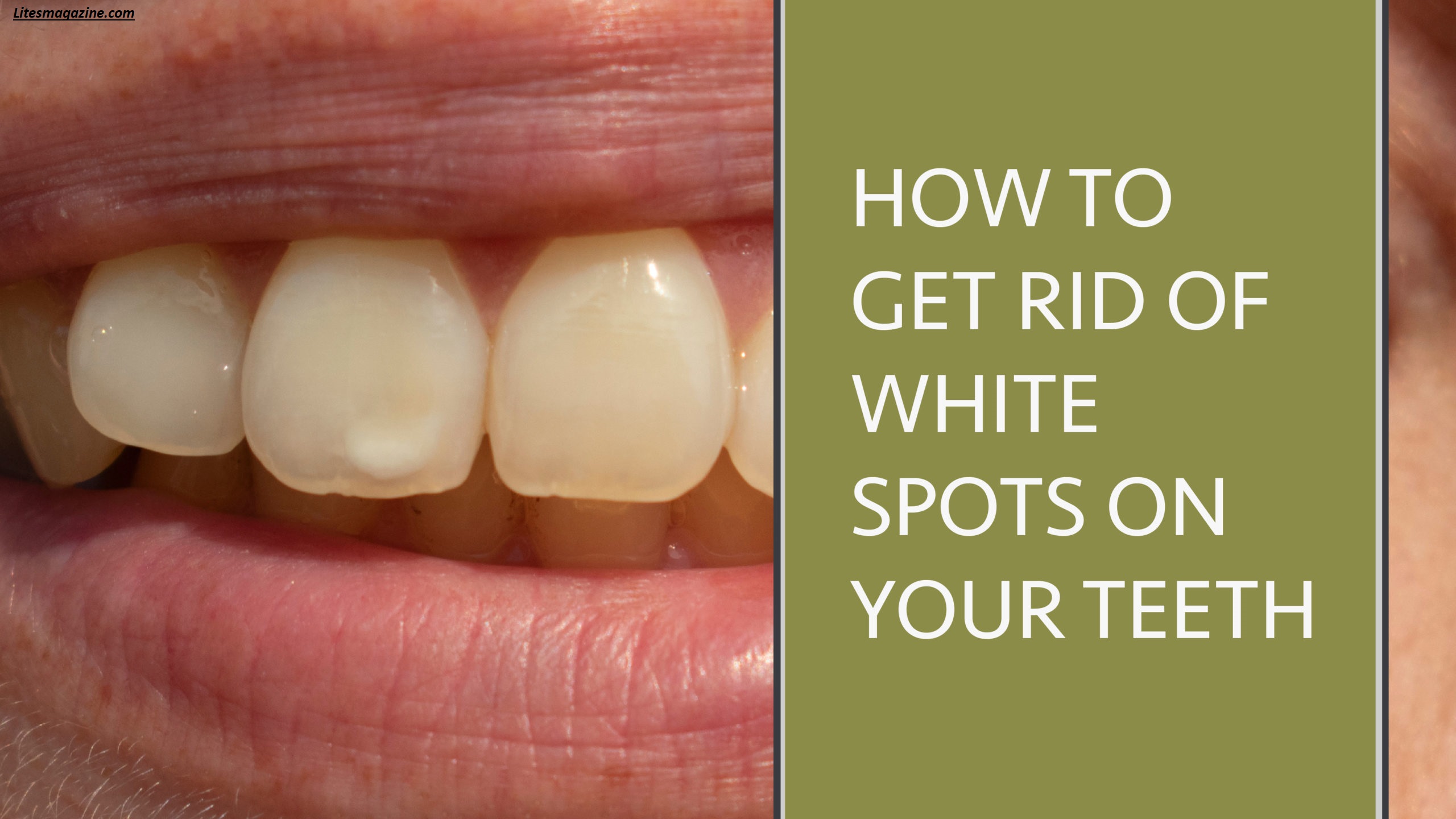
Why Do I Have White Spots on My Teeth? White spots on teeth are more common than you might think—and they often signal early changes in your tooth enamel.
These chalky or opaque patches usually happen due to enamel demineralization, meaning your teeth are losing essential minerals like calcium.
The good news? In most cases, they are treatable and even reversible if caught early.
This guide goes deeper than typical articles by explaining not just the causes, but also exact fixes, prevention strategies, and when you should worry.
Table of Contents
Quick Table
| Cause | What Happens | Is It Serious? | Easy Fix |
|---|---|---|---|
| Poor Oral Hygiene | Plaque buildup leads to mineral loss | Yes (early tooth decay) | Brush & floss properly |
| Dental Fluorosis | Too much fluoride affects enamel | Usually cosmetic | Whitening / microabrasion |
| Enamel Hypoplasia | Weak enamel from development issues | Sometimes | Bonding / veneers |
| Acidic Foods & Sugar | Acid strips minerals from enamel | Yes | Diet control |
| Braces White Spots | Plaque trapped around brackets | Common | Remineralizing treatments |
Main Causes of White Spots on Teeth
White spots on teeth usually happen when your enamel loses minerals, especially calcium.
This process, known as enamel demineralization, weakens the surface and creates chalky patches. The most common causes include plaque buildup, dental fluorosis, enamel hypoplasia, and frequent consumption of acidic foods and sugar.
People with braces are also at higher risk of developing braces white spots due to trapped bacteria.
In some cases, these spots are early signs of early tooth decay. Understanding the root cause is essential because each type of white spot requires a different treatment approach.

Poor Oral Hygiene
One of the leading causes of white spots is poor oral hygiene.
When you don’t brush and floss properly, plaque buildup forms on your teeth. This sticky layer contains bacteria that produce acids, which attack enamel and cause mineral loss.
Over time, this leads to enamel demineralization, creating visible white patches. These spots are often the earliest sign of early tooth decay and can worsen if ignored. Areas near the gums or around braces are especially vulnerable.
The good news is that improving your oral hygiene routine can stop the damage and even reverse early-stage white spots.
Fluorosis
Dental fluorosis occurs when you consume too much fluoride during tooth development, usually in childhood. This condition affects how enamel forms, leading to faint white streaks or spots on teeth.
Unlike other causes, fluorosis is not due to plaque buildup or early tooth decay, but rather a disruption in mineral balance. In mild cases, it’s purely cosmetic and doesn’t harm your teeth.
However, more severe cases can affect enamel strength. While fluorosis cannot be reversed naturally, treatments like whitening, bonding, or microabrasion can significantly improve the appearance of white spots.
Enamel Hypoplasia
Enamel hypoplasia is a condition where the enamel doesn’t form properly, resulting in thin or weak enamel. This can be caused by genetics, nutritional deficiencies, illness, or infections during childhood.
Because the enamel is underdeveloped, teeth are more prone to mineral loss, enamel demineralization, and white spots. Unlike surface-level issues, this condition is structural, meaning the spots are often permanent without treatment.
It may also increase the risk of early tooth decay. Treatment options usually involve professional care, such as bonding, veneers, or fluoride treatments to strengthen and protect the enamel.
Diet & Acidic Foods
Frequent consumption of acidic foods and sugar can damage your enamel over time. Acid weakens the outer layer of your teeth, leading to calcium loss and enamel demineralization.
Drinks like soda, citrus juices, and energy drinks are major contributors. When combined with poor oral hygiene, the effect is even worse, increasing plaque buildup and the risk of early tooth decay.
These dietary habits create the perfect environment for white spots to form. Reducing acidic intake, rinsing your mouth after meals, and maintaining good oral hygiene can help protect your enamel and prevent further damage.
Braces
People with braces often develop braces white spots due to difficulty cleaning around brackets and wires. Food particles and bacteria easily get trapped, causing plaque buildup.
This leads to enamel demineralization and visible white patches once the braces are removed. These spots are actually early signs of early tooth decay, not just cosmetic issues.
Using special brushes, flossing tools, and fluoride treatments can help prevent this problem. If white spots do appear, early intervention with remineralizing products can reduce their appearance and stop further enamel damage.

Are White Spots on Teeth Dangerous?
White spots on teeth are not always dangerous, but they should never be ignored. In many cases, they are an early warning sign of enamel demineralization, which means your teeth are losing essential minerals like calcium.
If left untreated, this process can progress into early tooth decay and eventually cavities.
However, not all white spots indicate damage. For example, dental fluorosis is usually harmless and only affects the appearance of your teeth.
On the other hand, white spots caused by plaque buildup, acidic foods and sugar, or braces white spots are more concerning because they signal active enamel damage.
The key difference lies in whether the enamel is still strong. If the spots feel rough, appear suddenly, or are increasing in number, they may indicate ongoing mineral loss. In contrast, stable and smooth spots are often cosmetic.
Ignoring white spots can lead to bigger dental issues, including sensitivity, discoloration, and cavities. That’s why early detection and treatment are so important.
Addressing the root cause can not only improve the appearance of your teeth but also protect your overall oral health.
How to Get Rid of White Spots
Getting rid of white spots depends on their cause, but many cases can be improved or even reversed. If the issue is enamel demineralization, the goal is to restore lost minerals and strengthen the enamel.
Start with better oral hygiene. Brushing twice daily with fluoride toothpaste helps reduce plaque buildup and supports enamel repair. Flossing removes bacteria from hard-to-reach areas, especially important if you have braces white spots.
Diet also plays a big role. Limiting acidic foods and sugar prevents further calcium loss and gives your enamel a chance to recover. Drinking water after meals can help neutralize acids.
You can also use remineralizing products containing calcium and phosphate. These help reverse early damage caused by early tooth decay. Whitening toothpaste may improve mild discoloration, but it won’t fix deeper issues like enamel hypoplasia.
Consistency is key. With the right care, early-stage white spots can fade over time. However, more severe cases may require professional treatment for noticeable improvement.
Best Treatments by Dentists
When home remedies aren’t enough, dentists offer several effective treatments for white spots on teeth. The best option depends on the underlying cause, such as dental fluorosis, enamel hypoplasia, or enamel demineralization.
One common treatment is microabrasion, which removes a thin layer of enamel to reduce the appearance of spots. Teeth whitening is another option, especially for mild dental fluorosis, as it helps blend the color for a more even look.
For deeper spots caused by mineral loss or early tooth decay, dentists may use resin infiltration. This technique fills porous enamel and improves both appearance and strength.
In more severe cases, bonding or veneers may be recommended. These treatments cover the affected areas and provide a long-lasting cosmetic solution, especially for enamel hypoplasia.
Fluoride treatments are also widely used to strengthen enamel and prevent further damage, particularly in cases related to plaque buildup or braces white spots.
Consulting a dentist ensures you get the right treatment based on your specific condition, helping you restore both the health and appearance of your teeth.

How to Prevent White Spots
Preventing white spots on teeth is much easier than treating them. The key is to protect your enamel from mineral loss and avoid conditions that lead to enamel demineralization.
Start with proper oral hygiene. Brush your teeth twice a day and floss daily to prevent plaque buildup, which is one of the main causes of white spots. Using fluoride toothpaste helps strengthen enamel and reduce the risk of early tooth decay.
Your diet also matters. Limit acidic foods and sugar, as they weaken enamel and increase the chances of white spots forming. Drinking water after meals can help wash away acids and bacteria.
If you wear braces, take extra care to clean around brackets and wires. This helps prevent braces white spots, which are very common during orthodontic treatment.
Regular dental checkups are essential. Dentists can detect early signs of enamel hypoplasia or other issues before they worsen.
By maintaining healthy habits and addressing problems early, you can keep your teeth strong, healthy, and free from white spots.
When Should You See a Dentist?
You should see a dentist if you notice white spots that don’t improve or seem to be getting worse. While some spots are harmless, others may indicate enamel demineralization or early tooth decay, which require professional attention.
If the spots feel rough, cause sensitivity, or appear alongside other symptoms like pain or discoloration, it’s important to get them checked. These could be signs of ongoing mineral loss or damage caused by plaque buildup.
People with braces should be especially careful. Braces white spots can develop quickly and may worsen without proper treatment. A dentist can recommend fluoride treatments or other solutions to protect your enamel.
If you suspect conditions like enamel hypoplasia or severe dental fluorosis, professional evaluation is essential. These issues often require specialized treatments to improve both function and appearance.
Regular dental visits not only help diagnose problems early but also prevent them from becoming serious. When in doubt, it’s always better to consult a professional and protect your oral health.

FAQs
Can white spots on teeth go away?
Yes, early-stage spots caused by enamel demineralization can fade with proper care.
Are white spots a sign of cavities?
They can be an early sign of early tooth decay.
Do braces cause white spots?
Yes, braces white spots are common due to plaque buildup.
Is dental fluorosis harmful?
Mild dental fluorosis is usually harmless and cosmetic.
Can whitening remove white spots?
It can reduce their appearance but won’t fix deep enamel issues like enamel hypoplasia.
Conclusion
White spots on teeth may seem like a minor cosmetic issue, but they often reveal what’s happening beneath the surface of your enamel.
In many cases, they are early signs of enamel demineralization, caused by factors like plaque buildup, acidic foods and sugar, or poor oral hygiene.
Conditions such as dental fluorosis, enamel hypoplasia, and braces white spots can also contribute to their appearance.
The key to dealing with white spots is understanding their cause. While some are harmless, others may signal early tooth decay and require prompt attention.
The good news is that many white spots can be improved or even reversed with the right approach, including better oral care, dietary changes, and remineralizing treatments.
For more persistent or severe cases, professional dental treatments offer effective solutions to restore both the health and appearance of your teeth.
By taking preventive steps and addressing issues early, you can protect your enamel, reduce mineral loss, and maintain a bright, healthy smile. If you’re ever unsure, consulting a dentist is the best way to ensure your teeth stay in top condition.