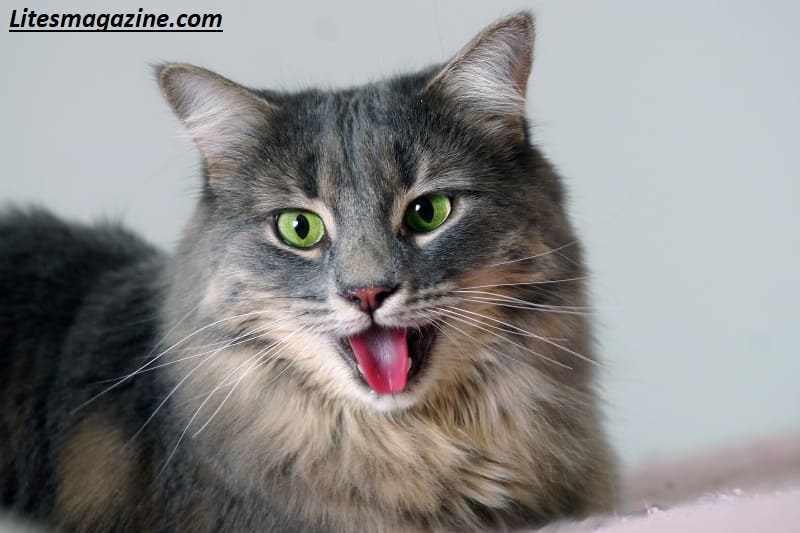
Why Is My Cat Breathing Fast? If you’ve noticed your cat breathing quickly, panting, or showing heavy breathing while resting, it’s important to understand what might be happening.
Sometimes fast breathing is harmless—like after exercise or stress—but in other cases it may signal a serious health problem such as feline asthma, respiratory infection, heart disease, or fluid around the lungs.
Normal cats usually take about 15–30 breaths per minute when resting. If your cat’s breathing rate is consistently higher than that, it could indicate rapid breathing (tachypnea) or labored breathing (dyspnea).
These conditions can occur due to overheating, anxiety, pain, pneumonia, heart failure, or other medical issues.
This guide explains why your cat may be breathing fast, the warning signs you should watch for, and when you should contact a veterinarian. You’ll also learn how to check your cat’s breathing rate at home and what treatments may help.
Quick Table
| Situation | Possible Cause | What You Should Do |
|---|---|---|
| Cat breathing fast after playing | Exercise or excitement | Let the cat rest and monitor breathing |
| Cat breathing fast while sleeping | Dreaming or mild respiratory issue | Check breathing rate when awake |
| Cat breathing fast but acting normal | Stress, heat, mild illness | Observe for other symptoms |
| Cat breathing fast with stomach moving | Labored breathing | Contact a vet soon |
| Cat panting with open mouth | Heatstroke, asthma, stress | Seek veterinary help |
| Kitten breathing fast | Growth, energy bursts, infection | Monitor closely |
| Cat breathing over 40 breaths per minute | Possible respiratory distress | Visit a vet immediately |
What Is Normal Breathing in Cats?
Understanding normal breathing patterns helps you recognize when something is wrong.
Healthy cats typically breathe quietly through their nose without effort. You should not hear wheezing, coughing, or noisy breathing in a healthy feline.
Normal breathing rate
Most veterinarians say the normal resting respiratory rate for cats is:
15–30 breaths per minute
This rate should be measured when the cat is calm or sleeping.
What normal breathing looks like
A healthy cat will usually:
- Breathe quietly
- Keep their mouth closed
- Show minimal chest movement
- Maintain a steady breathing rhythm
Signs breathing is abnormal
Fast breathing may look like:
- Rapid chest movement
- Stomach moving dramatically while breathing
- Open-mouth breathing
- Wheezing or coughing
- Lethargy or weakness
Abnormal breathing can indicate respiratory distress, infection, heart problems, or lung disease.
How to Check Your Cat’s Breathing Rat
One important content gap many articles miss is explaining how to measure a cat’s breathing at home. Monitoring your pet’s breathing rate can help detect problems early.
Step-by-step method
- Wait until your cat is calm or sleeping.
- Watch the chest rise and fall.
- Count breaths for 30 seconds.
- Multiply by 2 to get breaths per minute.
Example
If you count 18 breaths in 30 seconds:
18 × 2 = 36 breaths per minute
That is slightly above normal and should be monitored.
Breathing rate guide
| Breaths Per Minute | Meaning |
|---|---|
| 15–30 | Normal |
| 30–40 | Slightly elevated |
| 40–50 | Concerning |
| 50+ | Veterinary emergency |
You should also look for labored breathing signs, such as the abdomen moving strongly or the cat stretching their neck while breathing.

7 Warning Signs Your Cat’s Breathing Is Dangerous
Fast breathing alone does not always mean an emergency, but certain symptoms indicate something more serious.
1. Open-mouth breathing
Cats rarely pant like dogs. If your cat breathes with their mouth open, it could signal heatstroke, respiratory distress, or heart disease.
2. Blue or pale gums
Blue, grey, or pale gums mean the body is not getting enough oxygen.
3. Loud breathing sounds
Wheezing, crackling, or raspy breathing may indicate feline asthma, bronchitis, or pneumonia.
4. Severe stomach movement
If the abdomen moves dramatically with each breath, the cat may be struggling to breathe.
5. Lethargy or weakness
Cats with breathing problems may hide, sleep excessively, or lose interest in food.
6. Persistent coughing
Frequent coughing can signal lung infection, heartworm disease, or airway inflammation.
7. Rapid breathing while resting
If your cat breathes fast even when relaxed, it could mean fluid around the lungs or heart failure.
These symptoms require prompt veterinary attention.
15 Causes of Fast Breathing in Cats
Many different conditions can cause a cat to breathe rapidly. Some are mild, while others require immediate treatment.
1. Stress or anxiety
Fear, travel, loud noises, or vet visits can temporarily increase breathing rate.
2. Heat or overheating
Cats may breathe faster when overheated or experiencing heat exhaustion.
3. Exercise
After running or playing, rapid breathing helps regulate oxygen levels.
4. Feline asthma
Asthma causes airway inflammation and can lead to wheezing and breathing difficulty.
5. Respiratory infections
Viral or bacterial infections may affect the lungs and airways.
6. Pneumonia
Pneumonia causes fluid buildup in the lungs, making breathing harder.
7. Heart disease
Conditions like hypertrophic cardiomyopathy may lead to fluid around the lungs.
8. Pleural effusion
This occurs when fluid accumulates in the chest cavity.
9. Pain or injury
Trauma, fractures, or internal injuries can increase breathing rate.
10. Allergies
Airborne irritants can inflame the respiratory system.
11. Parasites
Heartworms and lungworms can affect breathing.
12. Obesity
Overweight cats may struggle to breathe efficiently.
13. Tumors or cancer
Growths in the chest cavity may restrict lung function.
14. Poisoning or toxins
Certain chemicals can damage lung tissue.
15. Anemia
Low red blood cell levels reduce oxygen delivery.
Understanding these causes helps veterinarians diagnose the issue quickly.
Why Is My Cat Breathing Fast While Sleeping?
Some pet owners notice rapid breathing when their cat is asleep.
In many cases, this is harmless.
Common reasons
- Dreaming during REM sleep
- Mild excitement or stress
- Warm room temperature
However, persistent rapid breathing during sleep may signal:
- Asthma
- Respiratory infection
- Fluid around the lungs
- Heart disease
If your cat consistently breathes over 30 breaths per minute while sleeping, it’s best to consult a veterinarian.
Why Is My Cat Breathing Fast But Acting Normal?
Sometimes a cat appears healthy but still breathes quickly.
Possible explanations include:
Stress or excitement
Cats may breathe faster when stimulated or nervous.
Mild illness
Early infections may not show obvious symptoms yet.
Overheating
Warm temperatures may cause faster breathing.
Pain
Cats hide pain well, so breathing changes may be the first sign.
Hidden medical conditions
Heart disease and asthma can develop slowly.
If fast breathing continues for more than 24 hours, it’s best to schedule a veterinary exam.
Why Is My Kitten Breathing Fast?
Kittens often breathe faster than adult cats. Their bodies are still developing, and their metabolism is higher.
Normal kitten breathing
Healthy kittens may breathe 20–40 breaths per minute.
Reasons kittens breathe faster
- High energy levels
- Play or excitement
- Growth and metabolism
- Mild stress
However, fast breathing in kittens can also indicate:
- Congenital heart disease
- Lung infection
- Parasites
- Fever
If a kitten shows lethargy, coughing, or difficulty breathing, seek veterinary care quickly.
When to Take Your Cat to the Vet
Some breathing issues resolve on their own, but others require immediate medical attention.
Call a veterinarian if your cat:
- Breathes over 40 times per minute
- Pants with an open mouth
- Shows blue or pale gums
- Appears weak or collapses
- Has severe coughing
- Stops eating or drinking
These symptoms may indicate respiratory distress, which can become life-threatening quickly.
Early treatment greatly improves survival rates.
How Vets Diagnose Breathing Problems
Veterinarians use several diagnostic tests to determine the cause of rapid breathing.
Physical examination
The vet listens to the heart and lungs using a stethoscope.
Chest X-rays
X-rays reveal lung disease, fluid buildup, or tumors.
Ultrasound
An ultrasound helps detect heart disease or fluid around the lungs.
Blood tests
Blood work checks for infection, anemia, or organ problems.
Oxygen level testing
Pulse oximetry measures oxygen in the bloodstream.
Respiratory tests
These may detect asthma, airway inflammation, or lung infections.
A proper diagnosis allows the vet to choose the best treatment plan.
Treatment Options
Treatment depends on the underlying cause of fast breathing.
Oxygen therapy
Cats with respiratory distress may need oxygen support.
Medications
Common medications include:
- Bronchodilators
- Antibiotics
- Anti-inflammatory drugs
- Steroids
Fluid removal
If fluid surrounds the lungs, vets may perform thoracentesis to remove it.
Surgery
Tumors or structural problems may require surgical treatment.
Lifestyle adjustments
Weight management, improved air quality, and stress reduction may help some cats.
Prompt treatment often leads to better recovery outcomes.
How to Prevent Breathing Problems
While not all breathing issues are preventable, several steps can reduce risk.
Maintain a healthy weight
Obesity can worsen breathing and heart health.
Keep vaccinations updated
Vaccines protect against respiratory infections.
Reduce stress
Provide a calm, stable environment.
Avoid smoke and pollutants
Secondhand smoke and strong chemicals irritate the lungs.
Schedule regular vet visits
Routine checkups help detect health issues early.
Preventive care keeps your cat healthier and reduces the chance of respiratory problems.

FAQs
Is it normal for my cat to breathe fast?
Cats normally breathe 15–30 times per minute when resting. Higher rates may indicate stress, heat, or illness.
Why is my cat breathing fast while resting?
This may signal respiratory infection, asthma, heart disease, or pain.
Should I worry if my cat breathes fast while sleeping?
Occasional rapid breathing during dreams is normal, but persistent fast breathing may require veterinary evaluation.
Why is my cat panting like a dog?
Panting in cats is uncommon and often indicates overheating, stress, or breathing difficulty.
What breathing rate is dangerous for cats?
A resting breathing rate above 40 breaths per minute should be checked by a veterinarian.
Conclusion
Noticing that your cat is breathing fast can be alarming, but understanding the possible causes can help you respond calmly and effectively.
In many cases, rapid breathing in cats may happen after exercise, excitement, stress, or exposure to heat.
These situations are usually temporary, and your cat’s breathing should return to normal once they relax.
However, persistent fast breathing—especially when your cat is resting—can indicate underlying health issues such as respiratory infections, feline asthma, heart disease, pneumonia, anemia, or fluid around the lungs.
Monitoring your cat’s breathing rate at home is one of the simplest ways to detect a potential problem early. A healthy cat usually breathes 15–30 times per minute while resting.
If you notice breathing above 30–40 breaths per minute, open-mouth breathing, wheezing, coughing, pale gums, or severe stomach movement, it may signal respiratory distress and requires prompt veterinary attention.
Early diagnosis can make a significant difference in treatment success.
Veterinarians can use exams, chest X-rays, blood tests, and oxygen monitoring to identify the exact cause and recommend the best treatment.
By keeping your cat at a healthy weight, reducing stress, maintaining regular vet visits, and watching for warning signs, you can help protect your cat’s respiratory health and ensure they live a long, comfortable life.