Why Are Wisdom Teeth Called Wisdom Teeth? Wisdom teeth are called “wisdom teeth” because they typically appear much later than other teeth, usually between the ages of 17 and 25—an age historically associated with gaining maturity and “wisdom.”
Unlike baby teeth or other adult teeth, these third molars erupt during late adolescence or early adulthood, a period when people are considered more knowledgeable and experienced.
The name reflects this timing rather than any actual connection to intelligence. While not everyone develops wisdom teeth, the term has persisted across cultures to signify the teeth that arrive when one is older and “wiser.”
Table of Contents
Quick Table
| Topic | Key Insight |
|---|---|
| Wisdom teeth meaning | Named for late appearance during “wiser” years |
| Scientific name | Third molars |
| Age wisdom teeth appear | Usually 17–25 years |
| Wisdom teeth name origin | Linked to maturity and adulthood |
| Evolution purpose | Helped ancestors chew tough food |
| Modern relevance | Often unnecessary today |
| Common issues | Impaction, pain, infection |
| Removal need | Depends on individual case |
What Are Wisdom Teeth?
Wisdom teeth are the last set of molars that grow at the back of your mouth. Dentists call them third molars, and they are part of your natural adult teeth. Most people have four wisdom teeth—two on the top and two on the bottom—but some people may have fewer or none at all.
These teeth are different from others because they are known as late eruption teeth. Unlike your other molars, which appear during childhood, wisdom teeth come in much later in life. This late arrival is one of the main reasons they stand out and have a unique name.
Understanding the wisdom teeth meaning also involves knowing their function. In the past, they played an important role in helping humans chew hard foods like roots, nuts, and raw meat. Today, however, their usefulness has decreased due to changes in diet and jaw size.
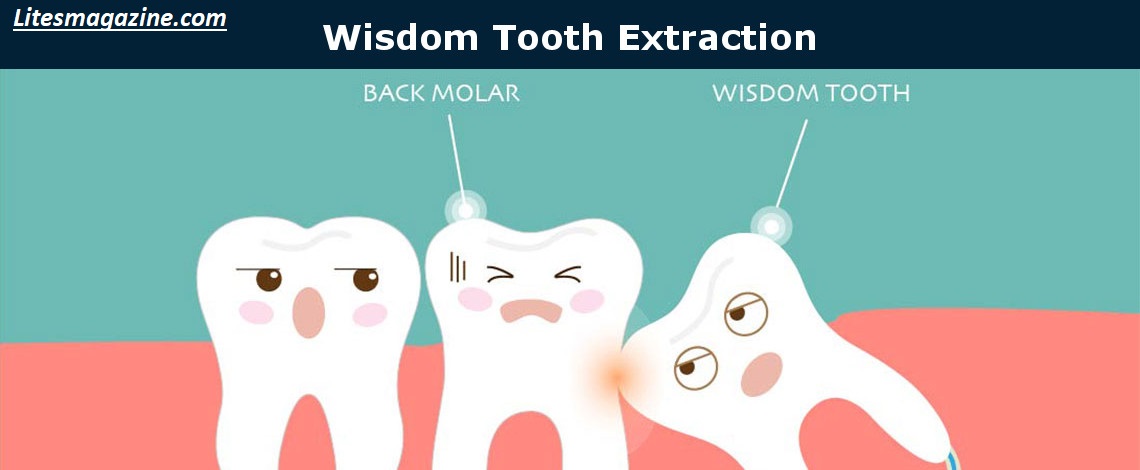
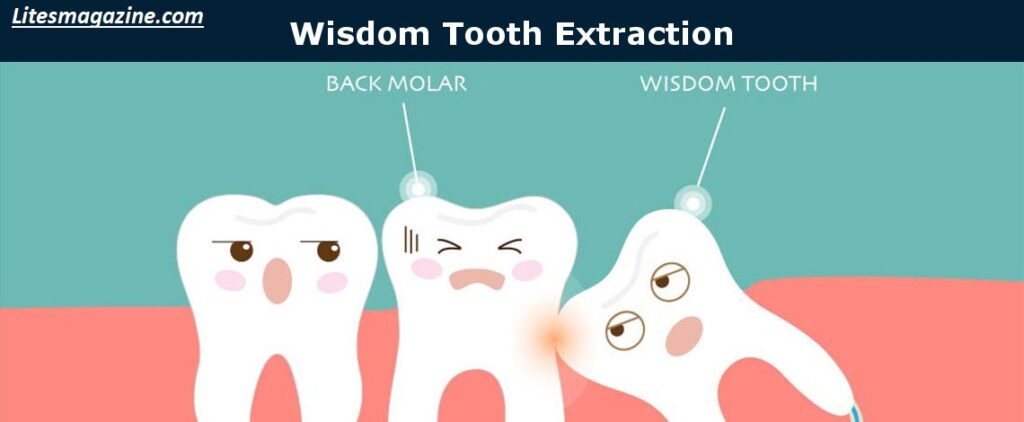
Another important point is that wisdom teeth don’t always grow properly. Because they come in last, there often isn’t enough space in the mouth. This can lead to crowding or other dental issues.
In simple terms, wisdom teeth are just your final set of molars—but their timing, position, and purpose make them much more interesting than they see
Why Are Wisdom Teeth Called Wisdom Teeth?
The reason behind the name is actually quite simple and interesting. Wisdom teeth are called wisdom teeth because they appear at a time in life when a person is older and supposedly wiser.
The wisdom teeth name origin comes from the fact that these teeth usually emerge between the ages of 17 and 25. This period is often associated with maturity, adulthood, and gaining life experience. In other words, by the time these teeth show up, you are no longer a child—you are becoming an adult.
Historically, people linked physical growth with mental development. So when these third molars appeared later than all other teeth, they were naturally connected to “wisdom.”
Looking at wisdom teeth history, different cultures have also given similar meanings to these teeth. Many languages refer to them as “teeth of maturity” or “adult teeth,” reinforcing the idea that they symbolize growing up.
So, if you’ve ever wondered why do we have wisdom teeth and why they’re named this way, the answer lies in timing rather than function. It’s not about intelligence—it’s about age.
In short, wisdom teeth are named after the stage of life they appear in, not because they actually make you wiser.
When Do Wisdom Teeth Come In?
One of the most common questions people ask is: when do wisdom teeth come in? The answer is typically between the ages of 17 and 25, although this can vary from person to person.
This age range is often referred to as the age wisdom teeth appear, and it marks a key transition period from adolescence to adulthood. Because these teeth arrive so late compared to others, they are classified as late eruption teeth.
Some people may notice their wisdom teeth coming in earlier, while others may not develop them at all. In some cases, the teeth remain hidden beneath the gums, which is known as impaction.
The timing of their arrival is also important for dental health. Since the jaw is usually fully developed by this age, there may not be enough room for these extra molars. This is why many people experience discomfort, swelling, or crowding when wisdom teeth begin to emerge.
Another factor to consider is that not everyone will feel pain when their wisdom teeth come in. Some people have enough space, allowing the teeth to grow normally without any issues.
Overall, wisdom teeth appear later than any other teeth, and this late timing plays a big role in both their name and the problems they can cause.
The Evolutionary Reason Behind Wisdom Teeth
To understand why do we have wisdom teeth, we need to look back at human history. Thousands of years ago, early humans had a very different diet compared to today. They ate tough, raw foods like roots, nuts, and uncooked meat, which required strong jaws and extra chewing power.
This is where third molars came in. Wisdom teeth acted as additional grinding tools, helping our ancestors break down hard food. At that time, larger jaws made it easy for these teeth to fit without causing problems.
Over time, however, human diets changed. Cooking food made it softer and easier to chew, reducing the need for extra molars. As a result, our jaws gradually became smaller.
This shift is a key part of wisdom teeth history. While our bodies evolved, wisdom teeth did not disappear completely. Instead, they became less useful and more problematic.
Today, many people don’t have enough space in their jaws for these late eruption teeth, leading to issues like impaction and misalignment.
In simple terms, wisdom teeth are a leftover feature from our evolutionary past. They were once essential for survival, but now they are mostly unnecessary.
Do We Still Need Wisdom Teeth Today?
In modern times, the role of wisdom teeth has significantly changed. While they were once useful, most people today do not actually need them.
The main reason is our diet. Unlike our ancestors, we eat cooked and processed foods that are much easier to chew. This means we don’t rely on third molars for extra grinding power anymore.
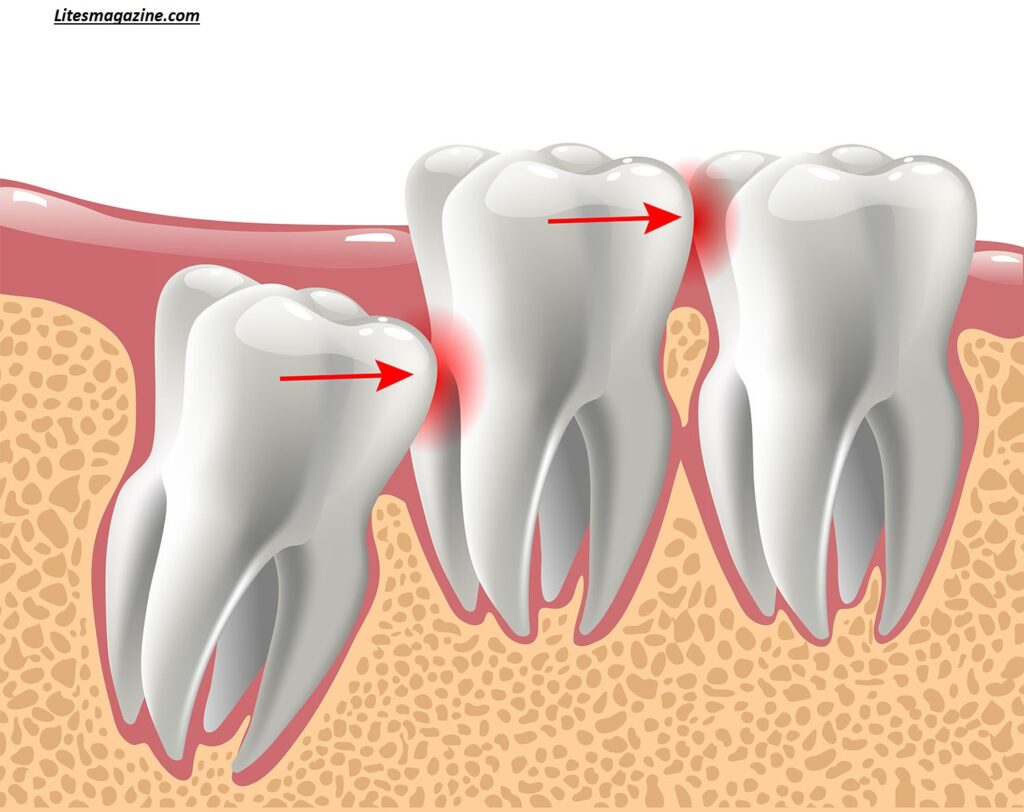
Another important factor is jaw size. As humans evolved, our jaws became smaller, leaving less room for additional teeth. This often causes problems when late eruption teeth try to grow in.
So, why do we have wisdom teeth if we don’t need them? The answer lies in evolution. Our bodies haven’t fully adapted to the changes in diet and lifestyle, so wisdom teeth still develop even though they are no longer necessary.
However, not everyone has issues with their wisdom teeth. Some people have enough space, allowing them to function like normal molars. In such cases, they don’t need to be removed.
Still, for many people, wisdom teeth can cause more harm than good. That’s why dentists often monitor them closely.
In short, while wisdom teeth were once important, they are now mostly considered unnecessary in modern life.
Common Problems Caused by Wisdom Teeth
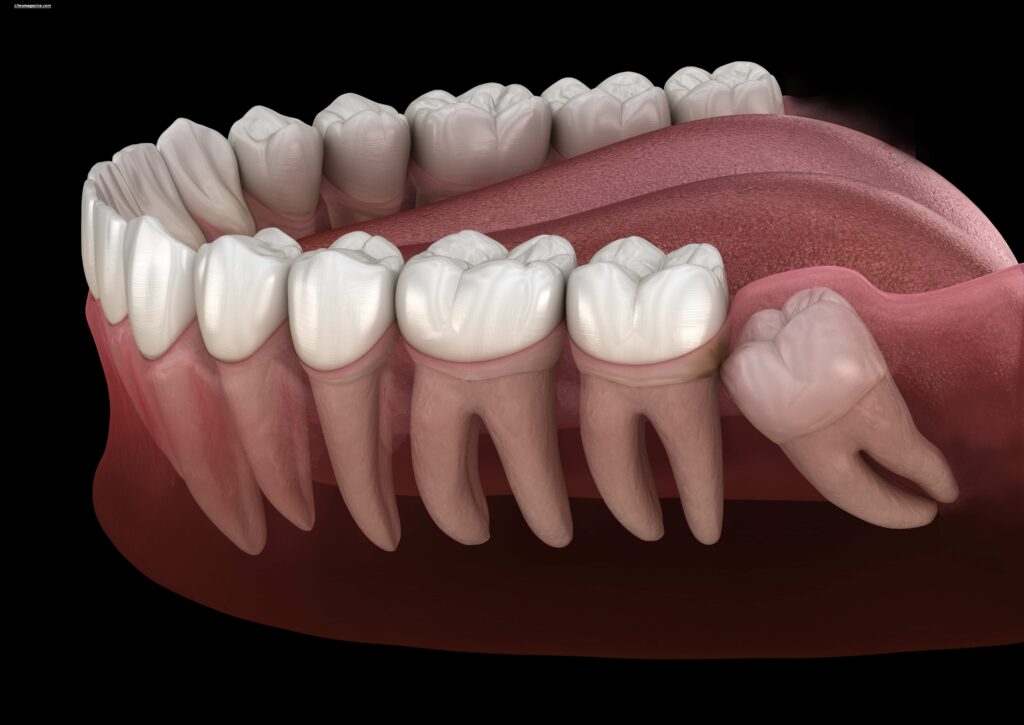
Wisdom teeth can lead to several dental issues, especially when there isn’t enough space in the mouth. One of the most common problems is impaction, where the tooth gets stuck under the gums or grows at an angle.
Because these are late eruption teeth, they often struggle to find room to grow properly. This can cause pain, swelling, and even infection.
Another issue is crowding. When third molars push against existing teeth, they can disrupt alignment and undo previous orthodontic work.
Gum problems are also common. Partially erupted wisdom teeth can create pockets where bacteria build up, increasing the risk of gum disease.
To better understand these issues, here’s a quick table:
| Problem | Description |
|---|---|
| Impaction | Tooth trapped under gum |
| Crowding | Teeth shift out of place |
| Infection | Bacteria buildup |
| Pain | Pressure in jaw |
| Cysts | Fluid-filled sacs near tooth |
Understanding when do wisdom teeth come in is important because early monitoring can help prevent these problems.
In many cases, these complications are the reason dentists recommend removal. While not everyone will experience issues, wisdom teeth are often more trouble than they’re worth.
Should You Remove Your Wisdom Teeth?
The decision to remove wisdom teeth depends on your individual situation. Not everyone needs to have their third molars taken out, but many people do.
Dentists usually recommend removal if there are signs of trouble. This includes pain, swelling, infection, or crowding. Impacted wisdom teeth are especially likely to require extraction because they can damage nearby teeth.
Another factor is prevention. Even if your wisdom teeth aren’t causing problems now, they might in the future. That’s why some dentists suggest removing them early, especially during the age wisdom teeth appear.
However, if your wisdom teeth are healthy, fully erupted, and properly aligned, there may be no need for removal. In such cases, regular dental checkups are enough to monitor them.
Understanding wisdom teeth meaning and their purpose can help you make a better decision. Since they are no longer essential, removing them usually doesn’t affect your ability to chew or speak.
Ultimately, the choice should be made with professional advice. A dentist can evaluate your situation and recommend the best course of action.
In short, wisdom teeth removal is common—but not always necessary.
Myths About Wisdom Teeth
There are many misconceptions about wisdom teeth, and it’s important to separate fact from fiction.
One common myth is that everyone must remove their wisdom teeth. In reality, this isn’t true. If your third molars are healthy and properly aligned, they can stay.
Another myth is that wisdom teeth always cause pain. While many people experience discomfort, some have no issues at all—even when their late eruption teeth come in.
Some people also believe that wisdom teeth make you smarter, which comes from misunderstanding the wisdom teeth name origin. As explained earlier, the name is related to age, not intelligence.
There’s also a belief that wisdom teeth serve no purpose at all. While they may not be necessary today, they were once important in wisdom teeth history for helping humans chew tough food.
Another myth is that removal is always dangerous. In reality, wisdom teeth extraction is a common and generally safe procedure when done by a professional.
Understanding the truth behind these myths can help reduce fear and confusion.
In simple terms, wisdom teeth are often misunderstood—but with the right information, they become much easier to manage.
FAQs
What is the wisdom teeth meaning?
It refers to molars that appear later in life, symbolizing maturity.
Why do we have wisdom teeth?
They were useful for chewing tough food in early human history.
When do wisdom teeth come in?
Usually between ages 17 and 25.
Are wisdom teeth always removed?
No, only if they cause problems.
What are third molars?
Another name for wisdom teeth.
Conclusion
Wisdom teeth are more than just an extra set of molars—they are a fascinating part of human biology and history. From their role as third molars to their connection with maturity, these teeth tell a story about how our bodies have evolved over time.
The wisdom teeth meaning comes from their late arrival in life, often during the years associated with growing wisdom and adulthood. This explains the wisdom teeth name origin, which is based on timing rather than intelligence.
Looking at wisdom teeth history, we see that these teeth once played an important role in helping our ancestors survive. However, as our diet and lifestyle changed, their usefulness decreased.
Today, many people face challenges with these late eruption teeth, including crowding and impaction. Understanding when do wisdom teeth come in and the age wisdom teeth appear can help you prepare and manage potential issues.
While not everyone needs to remove their wisdom teeth, staying informed is key. Regular dental checkups and proper care can make a big difference.
In the end, wisdom teeth are a reminder of our evolutionary past—and understanding them helps us make smarter decisions about our dental health today.