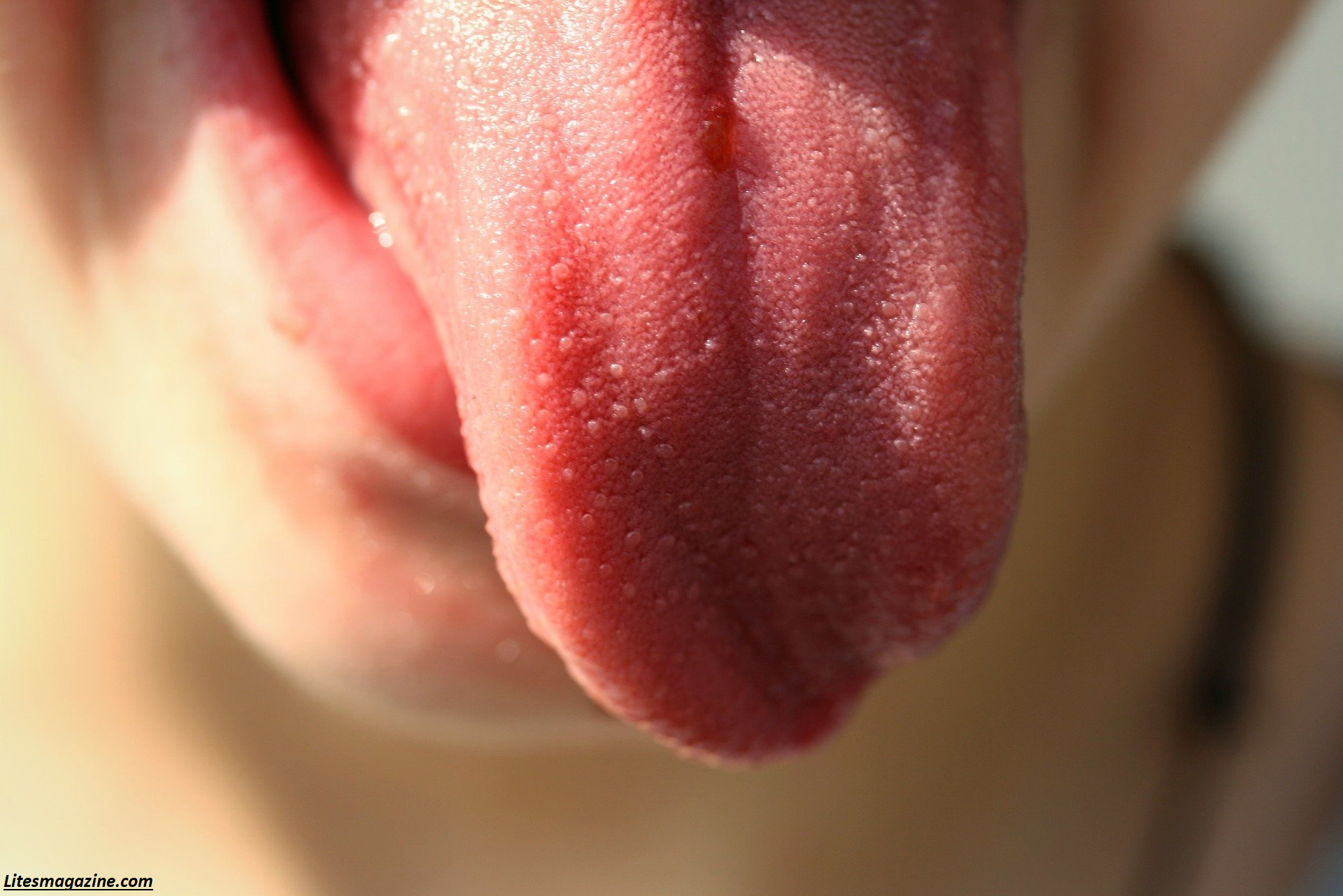
Why Does the Tip of My Tongue Hurt? you’re not alone. A painful tongue tip can feel uncomfortable when talking, eating, or even swallowing.
Sometimes it feels like a burning sensation, a small sore tongue, or a tiny bump that makes the tongue sensitive.
Tongue pain often comes from simple issues like inflamed taste buds, mouth ulcers, spicy foods irritation, or dental irritation.
But in other cases, it may be linked to vitamin deficiency, oral thrush, tongue infection, allergic reactions, or burning mouth syndrome.
Most tongue pain is temporary and harmless. However, persistent pain, swelling, or unusual symptoms may indicate an underlying oral health issue.
This guide explains the 9 most common causes of tongue tip pain, the symptoms to watch for, treatments, home remedies, and when you should see a doctor.
Table of Contents
Quick Table
| Cause | Description | Common Symptoms | Treatment |
|---|---|---|---|
| Inflamed Taste Buds | Enlarged taste buds also called lie bumps | Small painful bump, irritation | Saltwater rinse |
| Canker Sores | Small mouth ulcers | White or yellow sore | Oral gel |
| Burning Mouth Syndrome | Chronic burning sensation | Burning tongue tip | Medication |
| Tongue Injury | Bite, burn, or dental irritation | Pain, swelling | Healing time |
| Vitamin Deficiency | Lack of B12, iron, or folate | Smooth or swollen tongue | Supplements |
| Food Allergies | Reaction to certain foods | Swelling, itching | Avoid trigger foods |
| Oral Thrush | Yeast infection in mouth | White patches | Antifungal treatment |
| Acidic or Spicy Foods | Irritates taste buds | Burning sensation | Avoid triggers |
| Stress & Hormones | Can trigger inflammation | Tingling or soreness | Stress management |
Common Causes of Tongue Tip Pain
A painful tongue tip can happen for many reasons. In most cases, the cause is minor and temporary, such as inflamed taste buds, irritation from spicy foods, or accidentally biting your tongue.
Other causes include mouth ulcers, allergic reactions, vitamin deficiencies, and oral infections like oral thrush.
Certain medical conditions such as burning mouth syndrome or glossitis can also lead to persistent tongue discomfort. Lifestyle habits like eating acidic foods, smoking, poor oral hygiene, or stress may trigger irritation as well.
Understanding the cause is important because treatment depends on the underlying problem. The sections below explain the nine most common causes of tongue tip pain and what you can do about them.

Inflamed Taste Buds (Lie Bumps)
One of the most common reasons the tip of your tongue hurts is inflamed taste buds, often called lie bumps or transient lingual papillitis. These small bumps appear on the tongue and can feel tender or painful.
Inflamed taste buds occur when the tiny papillae on your tongue become irritated. This irritation can happen due to spicy foods irritation, dental irritation, stress, or minor tongue injuries.
Symptoms may include:
- Small red or white bumps on the tongue tip
- Sensitivity while eating
- A painful tongue tip when touching food
- Temporary swollen tongue
Lie bumps usually disappear within a few days. Avoiding spicy foods, practicing good oral hygiene, and rinsing with warm salt water can help reduce inflammation and promote healing.
Canker Sores
Canker sores are small mouth ulcers that often appear on the tongue, gums, or inside the cheeks. These ulcers can cause significant discomfort, especially if they develop near the tip of the tongue.
Unlike cold sores, canker sores are not contagious. They may develop due to stress, minor injuries, acidic foods, or vitamin deficiency.
Common symptoms include:
- Round white or yellow sores
- Red border around the ulcer
- Burning or tingling before the sore appears
- Pain while eating or speaking
These mouth ulcers typically heal within one to two weeks without treatment. Over-the-counter oral gels, saltwater rinses, and avoiding spicy foods can help reduce pain and speed up recovery.
Burning Mouth Syndrome
Burning mouth syndrome is a condition that causes a persistent burning sensation in the mouth, including the tongue tip. The pain may feel similar to drinking hot liquid or eating spicy food.
This condition is more common in adults and may be linked to nerve problems, hormonal changes, vitamin deficiency, or stress.
Symptoms often include:
- Burning or tingling tongue
- Dry mouth
- Changes in taste
- Sore tongue without visible sores
Burning mouth syndrome can be frustrating because there may be no visible signs of irritation. Treatment often focuses on managing symptoms, correcting nutritional deficiencies, and addressing underlying medical conditions.
Tongue Injury or Bite
Accidentally biting your tongue is another common reason for a painful tongue tip. Even small injuries can irritate sensitive tissue.
Tongue injuries can happen from:
- Chewing food too quickly
- Sharp teeth edges
- Dental braces or dentures
- Hot foods causing burns
These injuries may cause swelling, redness, and temporary tongue infection risk if bacteria enter the wound.
Most minor injuries heal on their own within a few days. Rinsing with saltwater, maintaining good oral hygiene, and avoiding irritating foods can help prevent further discomfort.
Vitamin Deficiencies
A vitamin deficiency can affect oral health and lead to a sore tongue or swollen tongue. Deficiencies in vitamin B12, iron, and folate are especially linked to tongue inflammation.
When the body lacks these nutrients, the tongue may appear smooth, red, or tender.
Symptoms may include:
- Burning or tingling tongue
- Pale or glossy tongue surface
- Fatigue or weakness
- Mouth soreness
If vitamin deficiency is the cause, doctors may recommend dietary changes or supplements. Foods rich in vitamin B12, iron, and folate can help restore nutrient balance and improve tongue health.
Food Allergies
Some people experience tongue pain due to an allergic reaction to certain foods. When the immune system reacts to allergens, it can cause swelling, itching, or irritation on the tongue.
Common food triggers include:
- Nuts
- Shellfish
- Fruits such as kiwi or pineapple
- Spices or food additives
Symptoms of an allergic reaction may include:
- Painful tongue tip
- Swelling or tingling sensation
- Redness or irritation
- Avoiding the trigger food is the most effective way to prevent symptoms. If reactions are severe or frequent, medical evaluation is recommended.
Oral Thrush Infection
Oral thrush is a fungal infection caused by the yeast Candida. It can affect the tongue and create discomfort or a sore tongue.
Symptoms of oral thrush include:
- White patches on the tongue
- Redness or soreness
- Difficulty swallowing
- Tongue infection discomfort
Oral thrush is more common in people with weakened immune systems, diabetes, or those using antibiotics.
Doctors usually treat oral thrush with antifungal medications, mouth rinses, and improved oral hygiene.
Acidic or Spicy Foods
Eating foods that are acidic or spicy can irritate the tongue and lead to temporary pain.
Examples include:
- Citrus fruits
- Hot peppers
- Vinegar-based foods
- Carbonated drinks
These foods can irritate the delicate tissue of the tongue and cause spicy foods irritation or inflamed taste buds.
If you notice tongue pain after eating certain foods, reducing intake or rinsing your mouth afterward can help prevent irritation.
Stress and Hormonal Changes
Stress may seem unrelated to tongue pain, but it can actually trigger several oral health problems. When the body is under stress, the immune system weakens and inflammation increases.
This can lead to inflamed taste buds, mouth ulcers, or burning mouth syndrome, all of which may cause a painful tongue tip.
Hormonal changes can also affect the mouth. Fluctuations in hormone levels may increase sensitivity in the tongue and gums. Some people experience a sore tongue or swollen tongue during periods of stress, illness, or hormonal imbalance.
Stress may also lead to habits like teeth grinding, biting the tongue, or consuming more acidic or spicy foods. These behaviors can worsen dental irritation and tongue inflammation.
Managing stress through relaxation techniques, balanced nutrition, hydration, and proper sleep may help reduce recurring tongue pain.

Symptoms to Watch For
Tongue pain can appear in different ways depending on the cause. Some people experience mild irritation, while others may feel a burning sensation or noticeable swelling.
Common symptoms include:
- Sore tongue
- Painful tongue tip
- Inflamed taste buds
- Swollen tongue
- Burning sensation
- Mouth ulcers
- White patches from oral thrush
- Tingling or numbness
- Redness or irritation
In some cases, the tongue may feel sensitive when eating hot, acidic, or spicy foods. A tongue infection or allergic reaction may cause additional symptoms like swelling, itching, or difficulty swallowing.
Persistent symptoms lasting more than two weeks should be evaluated by a healthcare professional. Long-lasting pain could indicate vitamin deficiency, oral infection, or burning mouth syndrome.
Monitoring symptoms carefully helps determine whether the problem is temporary irritation or a more serious oral health condition.
How to Treat Tongue Tip Pain
Treatment for a painful tongue tip depends on the underlying cause. Many cases improve with simple care and lifestyle adjustments.
Common treatments include:
Improving oral hygiene
Brushing gently, flossing daily, and using antibacterial mouthwash can prevent infection and reduce irritation.
Addressing vitamin deficiency
If low levels of vitamin B12, iron, or folate are causing tongue inflammation, dietary changes or supplements may help.
Managing oral infections
Conditions like oral thrush or tongue infection may require antifungal or antibacterial medications prescribed by a doctor.
Avoiding trigger foods
Reducing acidic foods, hot beverages, and spicy foods irritation can prevent further inflammation.
Treating mouth ulcers
Topical gels or oral rinses can help soothe mouth ulcers and promote healing.
Proper treatment often resolves tongue pain within a few days to a couple of weeks. If symptoms persist, professional evaluation is recommended.
Home Remedies
Many mild cases of tongue tip pain can be treated at home using simple remedies.
Saltwater rinse
Rinsing the mouth with warm salt water helps reduce bacteria and inflammation.
Cold foods
Eating yogurt or drinking cold water may soothe a burning sensation on the tongue.
Honey
Honey has natural antibacterial properties that can help relieve mouth ulcers and sore tongue symptoms.
Avoid irritants
Limiting alcohol, tobacco, acidic foods, and spicy foods can reduce irritation.
Stay hydrated
Drinking plenty of water helps maintain oral health and prevents dryness.
Good oral hygiene
Brushing gently and cleaning the tongue can reduce bacteria and prevent tongue infection.
Home remedies are effective for temporary irritation. However, persistent symptoms should be evaluated by a dentist or doctor.
When to See a Doctor
Most tongue pain resolves on its own, but some symptoms require medical attention.
You should see a doctor if you experience:
- Severe or persistent painful tongue tip
- Tongue pain lasting more than two weeks
- Difficulty swallowing
- Large mouth ulcers
- Signs of oral thrush infection
- Significant swollen tongue
- Unexplained weight loss or fatigue
- Recurring burning mouth syndrome
A healthcare professional may perform an oral examination, blood tests, or other diagnostic tests to identify the cause.
Early diagnosis helps treat conditions such as vitamin deficiency, allergic reaction, or oral infection before they worsen.

FAQs
Why does the tip of my tongue hurt suddenly?
Sudden tongue pain is often caused by inflamed taste buds, spicy foods irritation, or minor tongue injuries.
Can stress cause tongue pain?
Yes, stress can trigger mouth ulcers, burning mouth syndrome, and inflamed taste buds.
How long does tongue pain last?
Most cases heal within a few days to two weeks depending on the cause.
Can vitamin deficiency cause tongue pain?
Yes, deficiencies in vitamin B12, iron, or folate may lead to a sore tongue or swollen tongue.
Is tongue pain a sign of infection?
Sometimes. Oral thrush or tongue infection can cause redness, soreness, and white patches.
Conclusion
If you’ve been asking “why does the tip of my tongue hurt?”, the answer is often simple.
Most cases of tongue pain are caused by minor issues such as inflamed taste buds, mouth ulcers, spicy foods irritation, or accidental tongue injuries. These problems usually heal on their own with basic oral care.
However, persistent discomfort may be related to vitamin deficiency, allergic reactions, oral thrush, or burning mouth syndrome. Identifying the underlying cause is essential because proper treatment depends on the specific condition.
Maintaining good oral hygiene, eating a balanced diet, staying hydrated, and avoiding irritating foods can help prevent many cases of sore tongue or painful tongue tip.
If symptoms last longer than two weeks, worsen, or include severe swelling, it’s best to consult a healthcare professional. Early evaluation can help diagnose conditions like tongue infection, nutrient deficiency, or chronic oral conditions.
By understanding the possible causes and treatments, you can take the right steps to relieve discomfort and keep your tongue healthy.