Why Do I Keep Biting My Cheek? If you keep biting the inside of your cheek, you’re not alone.
Many people deal with accidental cheek biting, whether while eating, talking, or even sleeping.
It can feel random, painful, and frustrating—especially when it keeps happening in the same spot.
But here’s the truth: it’s not random.
There are specific cheek biting causes, ranging from stress and anxiety to dental issues and habit loops.
In some cases, it may even be linked to medical or behavioral conditions like morsicatio buccarum or body-focused repetitive behaviors (BFRB).
This guide breaks everything down in simple terms—so you can finally understand why it keeps happening and how to stop it for good.
Table of Contents
Quick Table
| Cause | What It Means | Common Signs | Fix |
|---|---|---|---|
| Stress & anxiety | Nervous habit | Chewing cheeks unconsciously | Stress management |
| Misaligned teeth | Teeth don’t align properly | Bite cheek while eating | Dental correction |
| Eating too fast | Poor chewing coordination | Frequent accidental bites | Slow eating |
| Sleep biting | Night grinding (bruxism) | Wake up with sore cheek | Mouthguard |
| Swelling cycle | Repeated injury | Same spot gets bitten | Let tissue heal |
| Dental work issues | Fillings/braces interference | New biting habit | Adjustment |
| Habit loop | Learned behavior | Constant cheek chewing | Behavior therapy |
7 Hidden Causes
Many people think biting inside of cheek is just bad luck—but it usually has a clear cause. The most common triggers include stress, dental alignment problems, and unconscious habits. In some cases, cheek biting anxiety or sleep-related issues like bruxism play a role.
Understanding these causes is the first step toward stopping the problem. Let’s break down each one in detail.
1. Stress & Anxiety (Cheek Biting Anxiety)
Stress is one of the biggest reasons behind a cheek biting habit. When you feel anxious, your body looks for ways to release tension. For some people, that means chewing the inside of their cheek without even realizing it.
This is known as a body-focused repetitive behavior (BFRB). Similar habits include nail biting or lip chewing. Over time, it becomes automatic—especially during stressful moments like work pressure or emotional discomfort.
You might notice:
- Biting when nervous or distracted
- Increased cheek chewing during anxiety
- Mouth sores from repeated biting
Managing stress through breathing exercises, mindfulness, or relaxation techniques can significantly reduce this type of accidental cheek biting.

2. Misaligned Teeth (Malocclusion)
If your teeth don’t align properly, you may frequently bite your cheek while eating. This condition is called malocclusion, and it changes how your teeth come together when you chew.
Even slight misalignment can cause your cheek to get caught between your teeth. This leads to repeated injuries, especially on one side of the mouth.
Common signs include:
- Biting the same spot repeatedly
- Difficulty chewing evenly
- Jaw discomfort
A dentist may recommend braces, aligners, or minor reshaping to fix the issue and prevent further mouth sores from cheek biting.
3. Eating Too Fast
If you often bite your cheek while eating, your eating speed might be the problem. When you eat too quickly, your brain and jaw muscles lose coordination.
This increases the chance of:
- Missing your bite
- Chewing unevenly
- Accidentally catching your cheek
Fast eating is one of the most overlooked cheek biting causes. Slowing down, chewing carefully, and focusing on your food can dramatically reduce these accidents.
4. Sleep Biting (Cheek Biting Sleep)
Some people experience cheek biting sleep, which happens during the night. This is often linked to bruxism, or teeth grinding.
You may not notice it happening, but symptoms include:
- Waking up with a sore cheek
- Jaw tightness
- Inner cheek swelling
Since you’re unconscious, this type of biting inside of cheek requires tools like a night guard. Dentists often recommend custom mouthguards to protect your oral tissues.
5. Swelling Cycle
Once you bite your cheek, the area becomes swollen. That swelling makes it easier to bite again—creating a painful cycle.
This explains why:
- You keep biting the same exact spot
- The injury never fully heals
- Pain keeps coming back
This cycle is common in mouth sores from cheek biting. Breaking it requires giving the tissue time to heal and avoiding further irritation.
6. Dental Work Issues
New dental work—like fillings, crowns, or braces—can change how your teeth interact. This sometimes leads to unexpected accidental cheek biting.
You may notice:
- Biting started after a dental visit
- A sharp or uneven tooth edge
- Increased cheek irritation
If this happens, a quick dental adjustment can solve the problem. Don’t ignore it, as repeated trauma can worsen the issue.
7. Habit Loop (Chronic Cheek Biting Habit)
Sometimes, biting inside of cheek becomes a habit. Even after the original cause is gone, your brain continues the behavior automatically.
This habit loop works like this:
- Trigger (stress, boredom)
- Action (cheek biting)
- Relief (temporary comfort)
Over time, it becomes deeply ingrained. Breaking this cycle requires awareness and replacement habits, like chewing gum or using stress tools.
Why You Bite the Same Spot
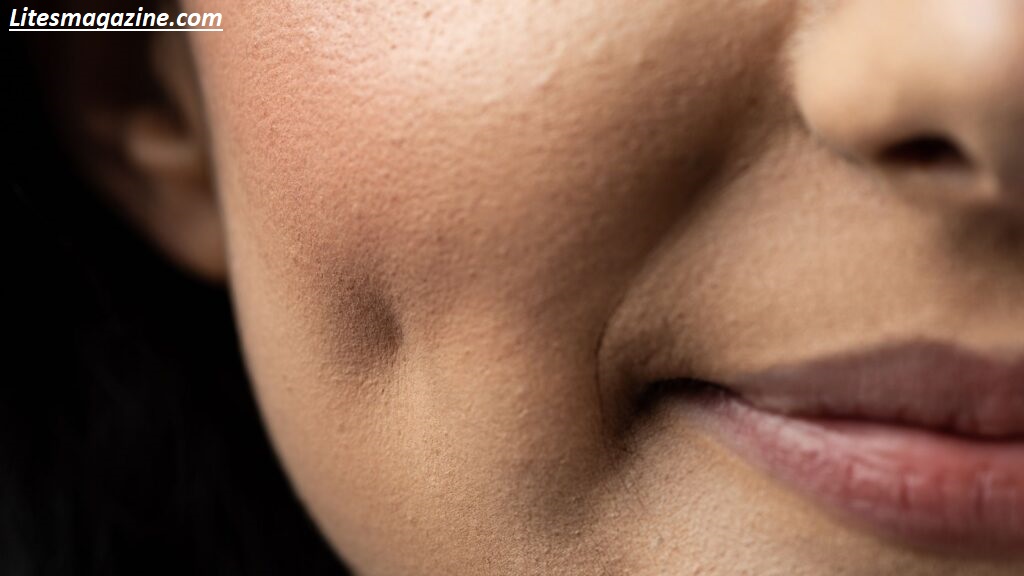
If you’re wondering why you keep biting the same exact area, the answer lies in tissue sensitivity and swelling.
After the first injury, the inside of your cheek becomes slightly swollen and raised. This makes it more likely to get caught between your teeth again. Each new bite worsens the swelling, creating a loop that’s hard to break.
Additionally, your mouth has muscle memory. If your chewing pattern is slightly off—due to misaligned teeth, stress, or habit—you’ll naturally repeat the same motion. This leads to repeated trauma in one specific spot.
Another factor is scar tissue. Once healing begins, the area may become thicker or uneven, making it easier to bite again.
This is why accidental cheek biting often turns into a chronic issue. The combination of swelling, repetition, and habit keeps the cycle going.
Breaking this pattern requires:
- Letting the area fully heal
- Avoiding chewing on that side
- Addressing the root cause (like anxiety or dental issues)
Is It Normal or Dangerous?
Occasional bite cheek while eating incidents are completely normal. Everyone does it from time to time, especially when distracted or eating quickly.
However, frequent or chronic cheek biting habit can become a problem.
When it’s normal:
- Happens occasionally
- Heals within a few days
- No ongoing pain
When it may be a concern:
- Happens daily or weekly
- Causes persistent pain
- Leads to mouth sores from cheek biting
- Doesn’t heal properly
In rare cases, chronic irritation can lead to complications like infections or thickened tissue (morsicatio buccarum). While it’s usually not dangerous, ignoring it can worsen the condition.
If your cheek biting anxiety or habit is severe, it may also be linked to stress disorders or behavioral patterns that need attention.
How to Stop Biting Your Cheek
Stopping biting inside of cheek depends on identifying the cause. The solution isn’t one-size-fits-all—but the right approach can eliminate the problem completely.
Quick Fixes
- Slow down while eating
- Chew evenly on both sides
- Avoid talking while chewing
- Use dental wax if braces irritate your cheek
- Rinse with saltwater to heal sores
- Be mindful of unconscious biting
These small changes can quickly reduce accidental cheek biting.
Long-Term Solutions
For lasting results, focus on the root cause of your cheek biting habit.
- Stress management: Meditation, exercise, or therapy for cheek biting anxiety
- Dental correction: Fix misalignment or rough edges
- Night guard: Prevent cheek biting sleep caused by grinding
- Behavioral therapy: Break habit loops (BFRB treatment)
- Diet awareness: Eat slowly and mindfully
Long-term strategies are essential if your problem is chronic or linked to habits.
When to See a Doctor
You should seek professional help if your biting inside of cheek becomes frequent or severe.
Warning signs:
- Pain that doesn’t go away
- Repeated injury in the same spot
- Large or worsening mouth sores from cheek biting
- Signs of infection (redness, swelling, pus)
- Difficulty eating or speaking
A dentist can check for:
- Malocclusion (misaligned teeth)
- Sharp dental edges
- Effects of bruxism
If the issue is behavioral, a healthcare provider may recommend therapy for body-focused repetitive behaviors (BFRB).
Early treatment prevents long-term damage and makes recovery much easier.
FAQs
Why do I keep biting my cheek by accident?
Usually due to eating too fast, stress, or misaligned teeth.
Is cheek biting a sign of anxiety?
Yes, cheek biting anxiety is common and linked to stress habits.
Why do I bite my cheek in my sleep?
This is often caused by bruxism or nighttime jaw movement.
How do I stop biting my cheek while eating?
Slow down, chew carefully, and avoid distractions.
Can cheek biting cause permanent damage?
In severe cases, repeated injury can lead to thickened tissue or chronic sores.
Conclusion
If you’ve been asking, “Why do I keep biting my cheek?”, the answer lies in understanding the underlying cause.
Whether it’s stress, a cheek biting habit, dental alignment, or cheek biting sleep, the issue is usually fixable once identified.
Most people ignore the problem until it becomes painful or repetitive.
But as you’ve seen, accidental cheek biting often follows a pattern—one that can be broken with the right approach.
By slowing down your eating, managing cheek biting anxiety, and addressing dental or behavioral triggers, you can stop the cycle. And if the problem persists, professional help is always available.