
Your dog is out in the yard again, munching away at the grass like it’s a snack bar. You’ve probably asked yourself more than once: why is my dog eating grass?
Apparently, this is one of the most Googled dog behavior questions to ask and why not? It looks odd. This can be frightening. Most of the time, however, the reason is very mundane.
This is what really is happening.
Why Is My Dog Eating Grass? The Quick Answer
Why is my dog eating grass?
There are multiple reasons why dogs eat grass, most commonly it is what they’ve always done, boredom, tummy discomfort, or simply a need for something else to chew. It’s usually harmless. However, when it happens occasionally, it may be a symptom of something else.
It’s a bit short of the actual story. Let’s get into the “why” of it, as to how you respond, the “why” is important.
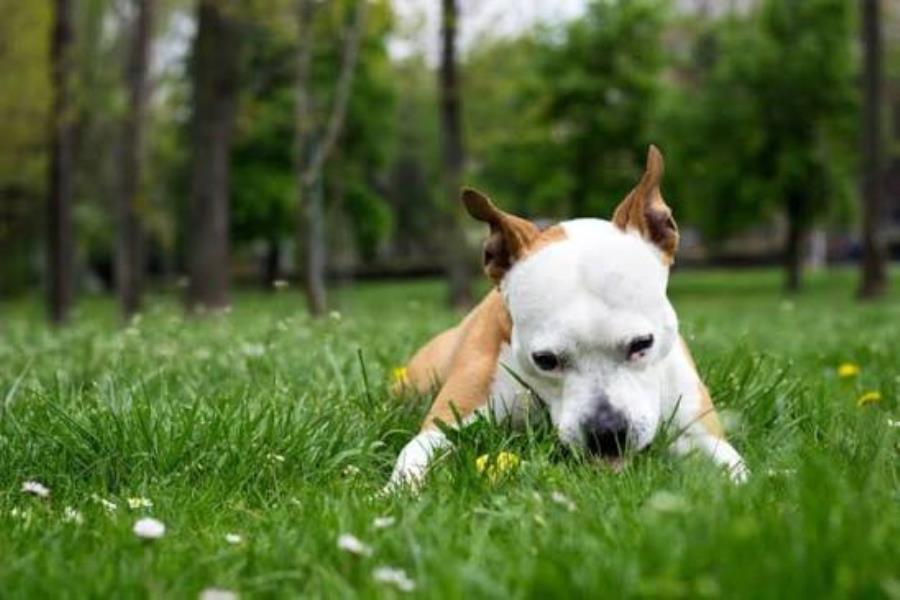
The Real Reasons Dogs Eat Grass
It goes back to their wild ancestors. Wolves eat prey whole, stomach contents and all, which includes partially digested plants. Dogs still carry that instinct even though dinner now comes out of a bag.
Sometimes it’s about an upset stomach. Grass can irritate the throat and stomach lining enough to cause vomiting, and some dogs do seem to feel better afterward. But here’s the thing that surprises most people: only a small percentage of dogs actually throw up after eating grass. So this popular theory doesn’t tell the whole story.
Their diet might be missing fiber. Dogs on low fiber food sometimes go looking for it elsewhere. Grass happens to be right there.
Boredom plays a bigger role than you’d think. A dog stuck in the yard with nothing to do will find something. Sometimes that something is grass, not because they’re hungry, but because there’s nothing better going on.
Some dogs just like it. No deeper meaning here. Fresh, dewy grass in the morning has a texture and taste some dogs genuinely enjoy.
Stress and anxiety can trigger it too. If your dog eats grass often and you’re also seeing pacing, licking, or other repetitive habits, anxiety might be part of the picture.
And occasionally, it’s just for attention. Dogs learn fast. If you come running every time they eat grass, don’t be surprised when they keep doing it.
Read More: Why Is My Cat Sneezing?
Is It Normal for Dogs to Eat Grass?
Yes, and vets agree on this one. It’s considered a normal, common behavior. Research on dog behavior has found most dogs eat plants from time to time, and only a small share show any signs of illness beforehand. A little grass snacking during a walk isn’t something to panic over.
When Grass Eating Actually Becomes a Concern
Normal doesn’t mean “never worth watching.” Keep an eye out for:
- Frantic or obsessive grass eating, not casual nibbling
- Vomiting that happens often, not once in a while
- Appetite loss
- Low energy or unusual tiredness
- Diarrhea
- Weight dropping over time
One of these on its own probably isn’t a big deal. A few showing up together? That’s worth a call to your vet.
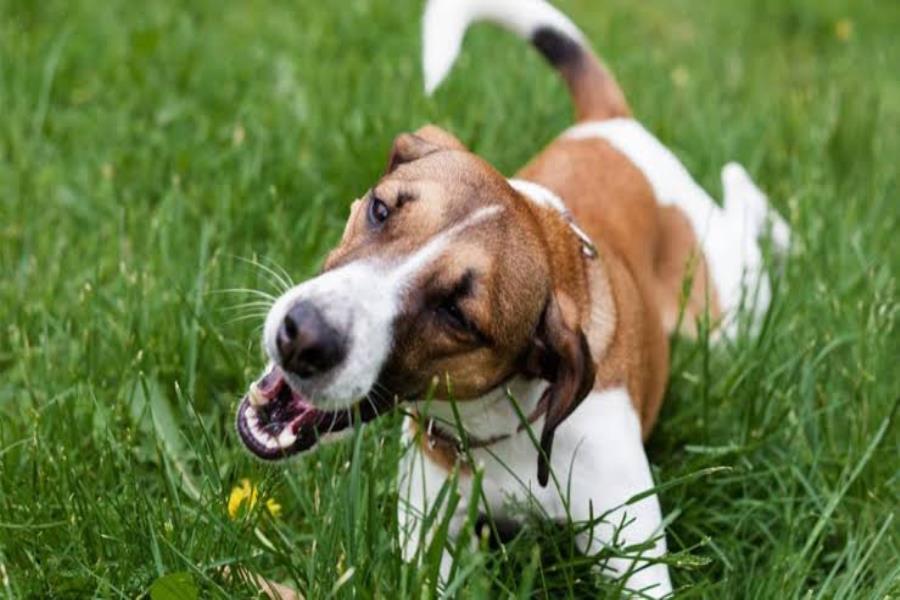
How to Cut Down on Grass Eating (If You Want To)
You don’t need to fence off the yard. A few small changes usually do the trick.
Start with the food bowl. Switching to a higher fiber diet solves this for a lot of dogs without any other changes needed.
Give them more to do. Bored dogs chew on whatever’s around, and grass is an easy target. More walks and playtime often fix it on their own.
Skip treated lawns completely. This is the actual danger here, not the grass itself but whatever’s been sprayed on it.
Try dog-safe greens at home. Wheatgrass grown indoors gives dogs something similar to chew on without the risk.
And sometimes, just let it be. If your dog nibbles grass now and then and seems fine otherwise, there’s nothing to fix.
Quick Answers
| Question | Quick Answer |
| Why does my dog eat grass all of a sudden? | Often triggered by stress, a diet change, or new boredom. |
| Why is my dog eating grass like crazy? | Could point to nausea, missing nutrients, or anxiety. Watch closely. |
| Is eating grass a sign of parasites? | Not usually direct, but gut issues from parasites can be a trigger. |
| Do vets actually worry about this? | Only when it comes with vomiting, low energy, or appetite loss. |
| Is it just a habit for some dogs? | Yes, plenty of dogs do it purely out of learned habits. |
| Should I switch dog food over this? | Try a higher fiber option first and see if it changes anything. |
| Does grass eating change by season? | Some dogs eat more in spring when grass is soft and fresh. |
Why Does My Dog Eat Grass and Then Throw Up?
The primary question is often asked in conjunction with this question. Grass is rough, fibrous and can irritate the stomach particularly on an empty stomach in the morning. That’s often all it is. Mechanical irritation and not disease. Does not imply it will always occur but it accounts for many cases!
Read Also: Why Do Horses Need Shoes When Wild Horses Get By Without Them?
Bottom Line
So, why is my dog eating grass? Nine times out of ten, it’s instinct, boredom, or a small gap in their diet. Nothing to lose sleep over. Pay attention to patterns rather than the behavior itself, and if other symptoms show up alongside it, loop in your vet.
Otherwise, let your dog have their weird little lawn snack. It’s harmless, and honestly, it’s just part of being a dog.
FAQs:
Why is my dog eating grass?
Usually it’s instinct, boredom, an upset stomach, or a diet low in fiber.
Is it normal for dogs to eat grass?
Yes, it’s common and considered normal behavior in most dogs.
Does eating grass make dogs vomit?
Sometimes, but most dogs don’t actually throw up afterward.
Should I stop my dog from eating grass?
No, not unless it’s excessive or paired with other symptoms.
Can grass eating mean my dog is sick?
Rarely. Plenty of healthy dogs eat grass too.
Why does my dog eat grass then throw up?
The rough texture can irritate the stomach, especially on an empty stomach.
Is grass eating linked to diet?
Yes, dogs on low fiber food tend to do it more.
Can puppies eat grass safely?
Yes, in small amounts, as long as it’s pesticide-free.