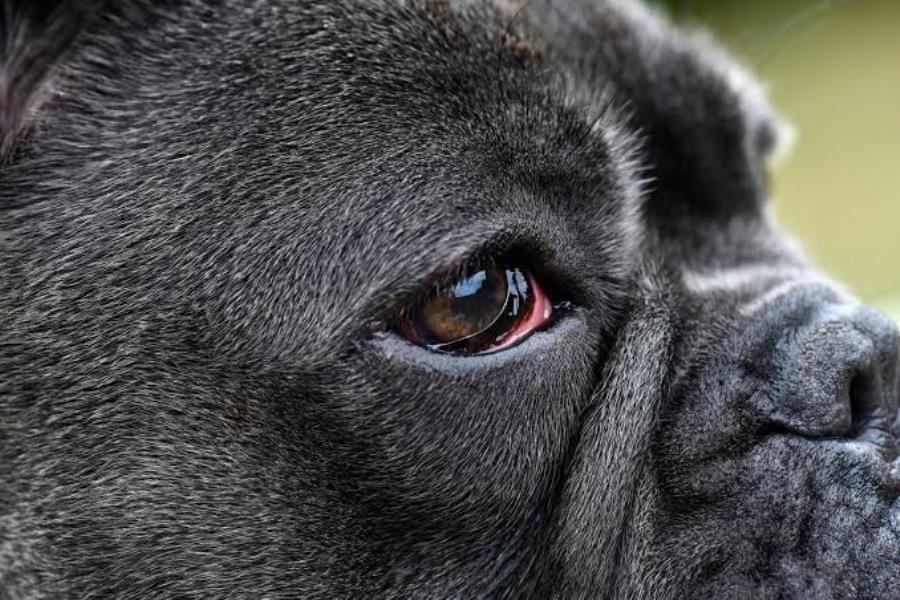
If you’ve just seen your dog look at you with pink or bloodshot eyes, you’re probably wondering… why are my dogs eyes red? Generally speaking, red eyes in dogs means irritation, allergies, infection, and in a few cases, more serious eye problems. There are some causes that are able to resolve by themselves. Others require a vet visit in a hurry. This book explains all the possible causes, leaving you in no doubt about what to do and what to expect.
Dogs can’t tell you if their eyes are stinging or itching. They simply poke at their face, squint or rub against the couch. Their form of waving a flag is red eyes. You have been tasked with reading that flag.
Why Are My Dogs Eyes Red? Short Answer First
Red eyes happen when blood vessels in the white of the eye or the inner eyelid swell. Dust, pollen, dry air, an injury, a virus, or pressure buildup inside the eye can all cause it. Mild cases fade in a day. If there’s swelling, discharge, or your dog keeps squinting, that’s your sign to stop watching and start acting.
I’d compare it to a rash on your own skin. The redness itself isn’t the story — it’s just pointing at whatever’s underneath.
Read More: Why Is My Cat Sneezing?
What’s Actually Causing It
1. Allergies
Yes, dogs get allergies, and eyes are often ground zero. Pollen, mold, dust, sometimes even a food ingredient — any of it can leave the eyes itchy, watery, and red. You’ll usually catch your dog rubbing their face against furniture like they’re trying to scratch an itch they can’t reach.
2. Conjunctivitis
Probably the most common culprit on this list. It’s inflammation of the eyelid lining, and it can come from bacteria, a virus, or plain irritation. Look for discharge, puffiness, and that telltale pink tint across the white of the eye.
3. Dry Eye
Not enough tear production and the eye surface dries out and gets inflamed. Thick discharge, redness, a kind of dull or lackluster look to the eye. Pugs, Bulldogs, and Cocker Spaniels seem to draw the short straw on this one more than most breeds.
4. Something Stuck In There
Grass seeds. Dirt. A stray eyelash. It doesn’t take much to get lodged under the eyelid, and when it happens the redness shows up almost instantly. Your dog might keep the eye shut or paw at it nonstop.
5. A Scratch On The Cornea
Dogs that run through bushes or rough-house outside can scratch the eye’s surface without you ever seeing it happen. The result: sharp redness, heavy squinting, sometimes a cloudy patch right on the eye itself.
6. Glaucoma
This one’s serious. Pressure builds inside the eye, and without treatment it can lead to blindness. If you suspect glaucoma, don’t wait until morning — this is an emergency vet visit, tonight.
7. Dry Air And Everyday Irritants
Wind, smoke, a strong cleaning spray, even dry heat running indoors all winter — any of these can leave your dog’s eyes red without anything being medically wrong.
8. Cherry Eye
The gland behind the third eyelid slips out of place and shows up as a pink or red lump in the corner of the eye. Beagles and Bulldogs are especially prone to it.
9. Uveitis
Inflammation inside the eye itself, often tied to an infection or another health issue lurking underneath. Expect deep redness, cloudiness, and a dog who suddenly doesn’t want to be near bright light.
Red Eyes In Dogs — Cause And Symptom At A Glance
| Cause | What You’ll Notice | How Urgent |
| Allergies | Itching, watery eyes, face rubbing | Low |
| Conjunctivitis | Discharge, puffiness, pink tint | Medium |
| Dry Eye | Thick discharge, dull-looking eye | Medium |
| Foreign Object | Sudden redness, pawing, squinting | Medium-High |
| Corneal Scratch | Sharp pain, cloudy spot on eye | High |
| Glaucoma | Bulging eye, pain, vision loss | Emergency |
| Dry Air/Irritants | Mild redness, no discharge | Low |
| Cherry Eye | Red lump in eye’s corner | Medium |
| Uveitis | Deep redness, sensitivity to light | High |
When It’s Time To Stop Guessing And Call The Vet
Not every red eye is a crisis. But a few warning signs mean you shouldn’t sit on it.
Get your dog to a vet if you notice:
- Swelling that came on fast
- Constant pawing at one eye
- Any cloudiness or a color change in the eye itself
- Thick yellow or green discharge
- Pupils that look different sizes from each other
- Your dog avoiding light or acting like they’re in pain
These can point to glaucoma, a corneal ulcer, or a deeper infection. And with glaucoma specifically, waiting even a few hours can cost your dog their vision. This isn’t a “let’s see how it looks tomorrow” situation.
What To Try At Home First
If the redness is mild — no discharge, no swelling, no obvious pain — there’s a reasonable case for trying a few things before booking a vet appointment.
- Rinse with saline. A vet-approved saline solution can flush out dust or pollen sitting on the surface.
- Look, but don’t dig. Check under good light for anything visible. If something’s stuck in there, leave it to the vet — don’t try to fish it out yourself.
- Cut back on exposure. Keep your dog away from smoke, sprays, and dusty yards for a day or two.
- Give it 24 hours, not more. If things haven’t improved — or look worse — that’s your cutoff for calling the vet.
One more thing: never put human eye drops in a dog’s eye unless your vet tells you to specifically. A lot of them contain stuff that’s genuinely unsafe for dogs.
How A Vet Actually Figures Out What’s Wrong
Most vets start simple — a light, a close look at the eye’s surface. From there they might:
- Run a fluorescein stain test to check for scratches or ulcers
- Measure the pressure inside the eye to rule out glaucoma
- Swab the eye if infection seems likely
- Test tear production with a small paper strip
None of this takes long, and it’s not painful for your dog. Most causes get identified in a single visit.
Cutting Down The Risk Going Forward
You won’t prevent every case, but a few habits go a long way:
- Wipe your dog’s face down after walks through tall grass or dusty trails
- Trim the hair around the eyes if you’ve got a long-haired breed
- Keep them away from smoke, harsh chemicals, and strong wind when you can
- Bring up eye health at regular vet checkups, even if nothing looks wrong
- Pay attention to early stuff — extra blinking, a bit of squinting — before it turns into more
Catching it early usually means a much simpler fix.
Read Also: Why Do Horses Need Shoes When Wild Horses Get By Without Them?
Quick Answers
| Question | Short Answer |
| Why are my dogs eyes red all of a sudden? | Usually irritation, allergies, or a scratch from debris or rough play. |
| Can dry air cause red eyes in dogs? | Yes — dry or smoky air irritates the eye and can cause temporary redness. |
| Is it normal for a dog’s eye to be a little red? | Occasional mild redness without discharge or pain usually isn’t concerning. |
| What does glaucoma look like in a dog’s eye? | Bulging, cloudy, and painful, often with visible redness — needs emergency care. |
| Can allergies cause red eyes in dogs? | Yes — pollen, dust, and food allergies commonly cause itchy, red eyes. |
| Should I flush my dog’s red eye at home? | Only with vet-approved saline, and only for mild irritation. |
| How long can I wait before seeing a vet? | No more than 24 hours if there’s no pain, swelling, or discharge. |
Bottom Line
So, why are my dogs eyes red?
Most of the time, red eyes in dogs are merely the result of dust, allergies or dry air. However, if you are experiencing redness and pain, redness and swelling, or redness and discharge, it isn’t a time to wait — it’s a time to move! The next time your dog’s eyes look pink or bloodshot, check through the above list, look for the other signs and make a decision to either watch it for another day, or hurry to the vet today. Your dog can’t tell you what’s wrong. That’s how it is done at least.
FAQs:
Why are my dogs eyes red?
Usually allergies, dust, dry air, or mild irritation. Can also mean infection or injury.
Are red eyes in dogs an emergency?
Not always. Pain, swelling, or discharge means yes — see a vet the same day.
Can I use human eye drops on my dog?
No. Many ingredients are unsafe for dogs unless a vet approves them.
What breeds get red eyes most often?
Bulldogs, Pugs, Cocker Spaniels, and Beagles due to eye shape and tear production.
How long should I wait before seeing a vet?
No more than 24 hours if there’s no pain, swelling, or discharge.
Does allergy season cause red eyes in dogs?
Yes. Pollen and dust are common triggers during spring and fall.
Can red eyes heal on their own?
Mild cases from dust or dry air often clear up in a day without treatment.
What does a red lump in the eye corner mean?
Likely a cherry eye — a gland has slipped out of place. I need a vet check.
Is one red eye worse than two red eyes?
One red eye often points to injury or foreign objects. Two suggest allergies or environment.
Can stress cause red eyes in dogs?
Not directly, but stress can lead to excessive rubbing, which causes irritation.